In the rapidly evolving digital landscape, web design has emerged as a vital discipline, weaving together artistry and technology to create immersive online experiences. Embracing the art fundamentals of design can be the differentiator that elevates a website from merely functional to truly exemplary. This article explores 15 core principles of good web design that shape modern websites, ensuring they resonate with users and drive engagement.
1. Balance
Balance is the cornerstone of any visually appealing design. It involves distributing elements evenly across a layout to create stability. Symmetrical balance offers a mirrored visual experience, while asymmetrical balance introduces dynamic tension. By striking the right balance, designers can guide viewers’ eyes effortlessly through content, fostering an engaging experience.
2. Contrast
Contrast is a powerful tool that emphasizes differences among design elements, making critical components stand out. Utilizing contrasting colors, shapes, and textures not only enhances legibility but also imbues the design with visual interest. Harnessing contrast effectively can evoke emotions and create a more memorable experience for users.
3. Unity
Unity refers to the cohesion of various elements within a design. A unified aesthetic ensures that all components work harmoniously together, reinforcing the overall theme and purpose of the website. This can be achieved through consistent color schemes, typography, and imagery, all of which create a seamless narrative that resonates with users.
4. Alignment
Alignment corresponds to the placement of elements in relation to one another. Proper alignment creates a visual connection among components, establishing order and structure within the design. Treating alignment with precision can eliminate visual clutter and enhance navigability, guiding users through their experience effortlessly.
5. Proximity
Proximity determines how elements relate to one another in space. By grouping related items together, designers can help users discern patterns and make connections. This principle not only enhances understanding but also fosters clarity, allowing users to parse information more effectively as they navigate a site.
6. Repetition
Repetition encompasses the recurrence of visual elements throughout a design, creating familiarity and reinforcing brand identity. This can manifest through consistent use of colors, fonts, and graphic styles. A repeated design motif establishes a rhythm that can engage users, fostering a sense of belonging and trust.
7. Hierarchy
Hierarchy directs attention and establishes an order of importance among elements. By manipulating size, color, and placement, designers can create a visual roadmap for users, guiding them toward key messages or actions. An effective hierarchy leads to enhanced comprehension and ensures that vital information does not get lost within a sea of content.
8. Color Theory
Color theory is an intricate tapestry of science and art, influencing mood and conveying messages through hues and shades. A well-thought-out palette can evoke specific feelings and associations, thereby enhancing user engagement. The right color combinations can harmonize a website’s aesthetics while also encouraging favorable user responses.
9. Typography
The study of typography encompasses not just font choice, but also text spacing, size, and overall readability. Typography is the voice of your website’s content, and its selection can profoundly affect user perception. A harmonious typographic structure can make text not only legible but inviting, guiding readers to delve deeper into your message.
10. Whitespace
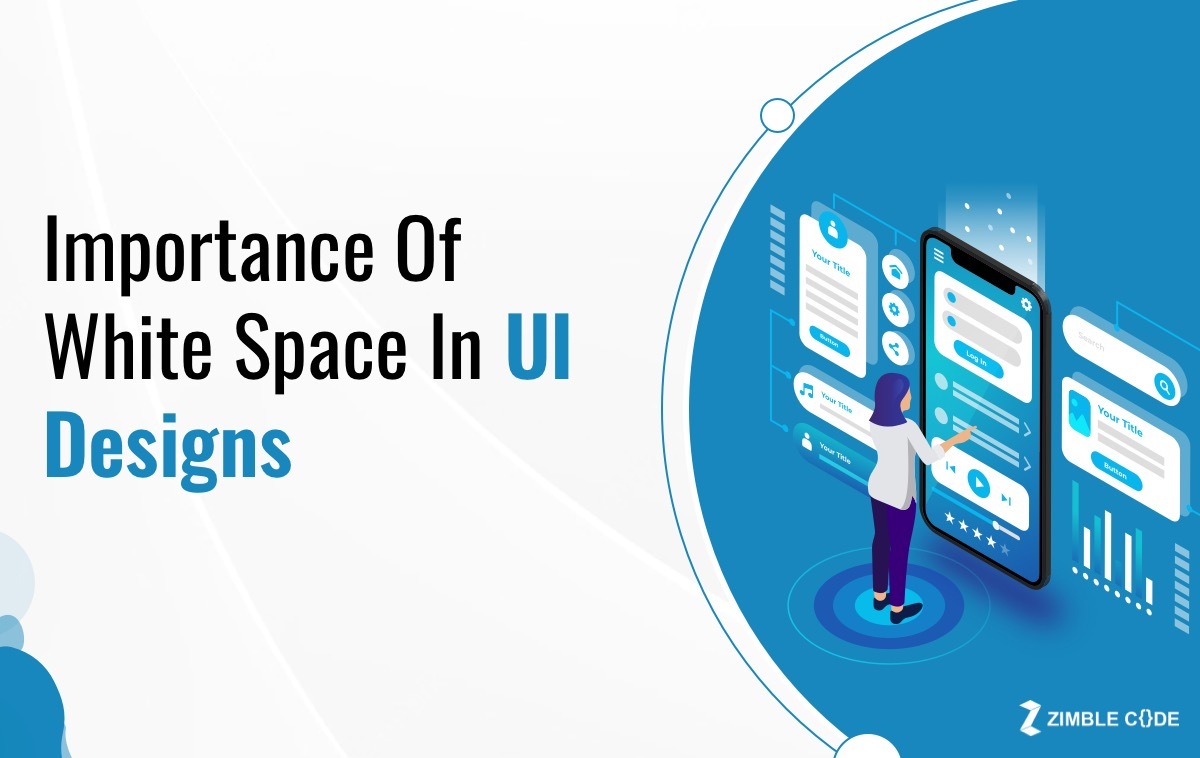
Whitespace—also known as negative space—is the unoccupied area surrounding design elements. It is an essential principle that fosters clarity by preventing clutter. Adequate whitespace allows users to absorb content comfortably, enhancing overall perception and encouraging users to stay longer on a site, absorbing the information presented.
11. Imagery
The strategic use of imagery can transform web design from ordinary to extraordinary. High-quality visuals, whether photographs or graphics, enrich the storytelling aspect of a website. Understanding the concepts of composition and how to curate visual content can elevate aesthetic appeal while also underscoring key messages.
12. Accessibility
In the quest for inclusive web design, accessibility stands out as a paramount principle. A website must cater to users of all abilities, ensuring that content is navigable regardless of physical or cognitive constraints. Using clear text, descriptive alt attributes for images, and consistent navigation patterns fosters an environment where everyone can thrive.
13. User-Centered Design
User-centered design is a philosophy that places the needs, preferences, and behaviors of users at the forefront of the design process. By conducting user research and usability testing, designers can glean insights that inform iterative design improvements. This continuous feedback loop builds a more intuitive user experience, ultimately leading to higher satisfaction levels.
14. Mobile Responsiveness
With the proliferation of mobile devices, designing websites to be mobile-responsive has become imperative. A responsive design dynamically adjusts elements to ensure a seamless experience across various screen sizes. Prioritizing mobile responsiveness not only caters to a broader audience but also enhances usability, minimizing barriers for users.
15. Loading Speed
In an age of instant gratification, loading speed greatly influences user experience. A website that delays gratification can lead to frustration and abandonment. Optimizing images, minifying code, and leveraging content delivery networks are tactics that can improve loading times, ensuring a smooth and efficient user journey.
In conclusion, the principles of good web design are interconnected threads that, when woven together thoughtfully, create a cohesive yet dynamic user experience. As the digital world continues to burgeon, understanding and implementing these design fundamentals is vital for anyone wanting to craft impactful websites. By placing emphasis on balance, contrast, unity, and other key principles, designers can forge more engaging and meaningful connections with their audiences, turning fleeting visits into lasting relationships.