

The Japandi Hybrid: Why Japanese and Scandinavian Design Are Soulmates
In the quiet hush of a Nordic winter, where snowflakes drift like whispered secrets and the air hums with the scent of birchwood, there lies a sanctuary—not of grandeur, but of gentle warmth. Step inside, and the space breathes. Light spills across wide-planked oak floors, softened by the muted glow of a paper lantern. A low, sculptural chair cradles the body, its curves echoing the undulating rhythm of a mountain stream. This is not a room of excess, but of intentional absence, where every object feels like a quiet confidant. Now, imagine the same room bathed in the golden light of a Kyoto afternoon, where shoji screens filter the sun into delicate lace patterns, and a tatami mat beneath your feet hums with the quiet dignity of centuries. These two visions—one from the frozen north, one from the ancient east—are not merely compatible. They are twin souls, separated by oceans and centuries, yet bound by an unspoken kinship. This is the magic of Japandi design: a fusion so intuitive, so deeply attuned to the human spirit, that it feels less like a trend and more like a rediscovery of what home truly means.
At its core, Japandi is not a collision of styles, but a conversation between philosophies. It is the alchemy of wabi-sabi—the Japanese reverence for imperfection and transience—meeting the Scandinavian ethos of hygge, that cozy, soul-nourishing contentment. Together, they create a sanctuary that is both a temple and a hearth, where the rough-hewn charm of a hand-thrown ceramic bowl sits beside the smooth, organic curves of a bentwood chair. This is design that does not shout, but whispers. It does not demand attention, but invites presence. In a world that often feels fragmented, Japandi offers a rare harmony—a way of living that is as mindful as it is beautiful.
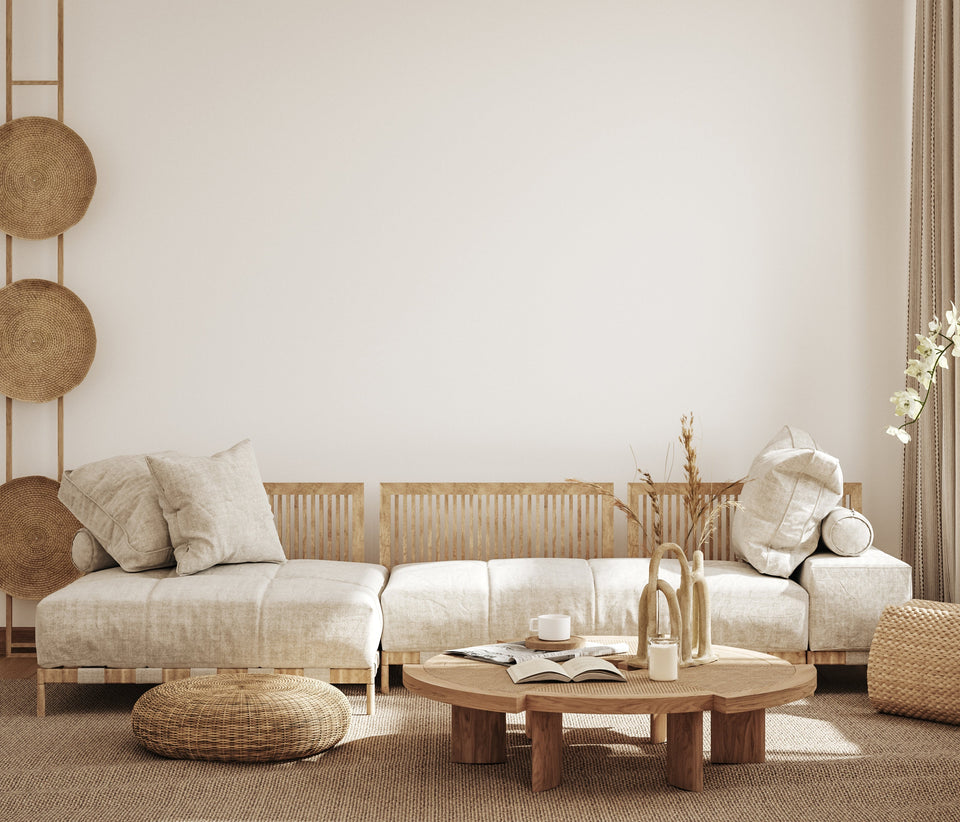
The Philosophy of Stillness: Where Minimalism Meets Mindfulness
To understand Japandi, one must first grasp the radical simplicity at its heart. Both Japanese and Scandinavian design traditions share an aversion to clutter—not as austerity, but as a form of liberation. In Japan, the concept of ma—the space between things—is sacred. It is the pause between notes in a melody, the silence between words in a poem. Scandinavian design, too, embraces the power of emptiness, where a single, well-crafted object can command a room not through its presence, but through its absence of distraction. Japandi takes this philosophy further, weaving it into a tapestry of intentional living.
Consider the Japanese tokonoma, a recessed alcove traditionally reserved for a single scroll or flower arrangement. Its purpose is not decoration, but meditation—a focal point that draws the eye inward, encouraging contemplation. Now, place beside it a Scandinavian hyggelig corner: a nook with a sheepskin throw, a flickering candle, and a stack of well-loved books. The effect is the same: a space designed to slow the mind, to cultivate stillness in a world that rarely stops. Japandi takes this ethos and applies it to every corner of the home, from the kitchen—where a single, sculptural knife block replaces a cluttered utensil drawer—to the bedroom, where a platform bed with clean lines and organic bedding becomes a sanctuary of rest.
This is minimalism redefined—not as cold emptiness, but as a canvas for life’s most meaningful moments. It is the art of editing, of stripping away the superfluous to reveal the essential. In a Japandi home, a chair is not just a place to sit; it is an invitation to pause. A shelf is not just storage; it is a stage for objects that tell a story. Every piece is chosen with care, not because it is trendy, but because it resonates with the soul.
The Alchemy of Materials: Wood, Clay, and the Poetry of Texture
If philosophy is the soul of Japandi, then materials are its body—a living, breathing entity that connects us to the earth and to each other. Both Japanese and Scandinavian design traditions have long revered natural materials, but where they diverge, Japandi finds its most compelling synthesis. The Scandinavians, with their deep forests and long winters, favor light woods like birch, ash, and pine—timber that feels both sturdy and supple, like the bones of the earth itself. The Japanese, meanwhile, embrace the warmth of darker woods like cedar and cypress, their grain rich with the stories of centuries.
In Japandi, these materials do not compete; they converse. A dining table might be crafted from the pale, almost luminous birch favored in Sweden, its surface smoothed by generations of hands, yet its legs carved with the gentle asymmetry of a Japanese tokkuri (sake bottle). The effect is one of quiet elegance, where the wood’s natural variations—knots, rings, and subtle discolorations—are not flaws, but badges of authenticity. This is design that wears its history proudly, where the patina of age is not hidden, but celebrated.

Then there are the tactile elements: the rough-hewn clay of a Japanese miso bowl, its surface uneven and imperfect, placed beside the smooth, matte finish of a Scandinavian ceramic vase. The contrast is deliberate, a dialogue between the handmade and the refined. Even textiles play a role in this sensory symphony. The Scandinavians’ love of wool and linen—soft, breathable, and imbued with the scent of meadows and forests—meets the Japanese tradition of washi paper and indigo-dyed fabrics, their textures as varied as the seasons. A throw blanket might be chunky and hand-knit, its stitches uneven and inviting, while a cushion cover could be woven from delicate ramie, its sheen catching the light like morning dew.
This is design that engages all the senses. The cool touch of a stone mortar. The earthy aroma of cedar. The whisper of linen against skin. In a Japandi space, you do not just see beauty—you feel it, in every fiber of your being.
The Dance of Light and Shadow: Illuminating the Soul
Light is the unseen architect of any home, and in Japandi, it is treated with the reverence of a sacred ritual. Both Japanese and Scandinavian cultures have long understood the power of light to shape mood, to evoke emotion, and to connect us to the rhythms of nature. The Scandinavians, with their long, dark winters, have mastered the art of coaxing warmth from even the faintest glimmer, using candles, mirrors, and pale woods to create an atmosphere of golden intimacy. The Japanese, meanwhile, have elevated light to an almost spiritual practice, with paper lanterns, shoji screens, and the careful placement of windows to modulate the sun’s intensity.
Japandi takes these traditions and weaves them into a seamless whole. The result is a space where light is not just functional, but transformative. A pendant lamp might hang low over a dining table, its shade crafted from washi paper, casting a soft, diffused glow that mimics the effect of a Japanese andon (paper lantern). Nearby, a floor lamp with a slender, bentwood base—reminiscent of a Scandinavian pendel—provides a secondary source of light, its bulb encased in frosted glass to soften the glare. Even the windows are considered, with sheer linen curtains that filter the sun’s harshness while allowing its warmth to seep through.
But Japandi’s relationship with light is not just about brightness; it is about contrast. The interplay of light and shadow is as crucial as the materials themselves. A shoji screen casts delicate patterns on a tatami mat, its shadows shifting with the sun’s arc. A wooden beam stretches across a ceiling, its grain illuminated by a recessed light, creating a play of light and dark that feels like a living painting. This is design that understands the poetry of impermanence—the way light changes with the hour, the season, the mood. In a Japandi home, every moment is lit differently, every glance reveals a new nuance.
Functional Art: The Beauty of Purposeful Design
Japandi is not just about how a space looks; it is about how it lives. Every object, from the humblest spoon to the most striking chair, is designed with intention. This is the essence of functional art—the idea that beauty and utility are not opposing forces, but partners in harmony. The Scandinavians have long championed this philosophy, with designers like Arne Jacobsen and Hans Wegner creating pieces that are as much at home in a museum as they are in a daily setting. The Japanese, too, have a deep respect for craftsmanship, where an object’s form is dictated by its purpose, whether it’s a chawan (tea bowl) shaped to fit the hand or a tansu (chest of drawers) designed to maximize storage in a small space.
In Japandi, this marriage of form and function reaches new heights. A side table might double as a stool, its legs splayed just enough to provide stability while its surface remains uncluttered. A bookshelf could feature sliding doors, inspired by Japanese shoji, to conceal its contents when not in use, maintaining the room’s sense of order. Even the smallest details are considered: a door handle might be crafted from a single piece of wood, its curve ergonomic and pleasing to the touch, or a faucet could be a sleek, minimalist affair, its lines echoing the purity of a Japanese chawan.
This is design that respects the user, that anticipates needs before they arise. A Japandi kitchen is a masterclass in efficiency, with every tool within reach, every surface easy to clean. A Japandi workspace is a haven of focus, where a single, sculptural desk lamp provides just enough light to illuminate a task without overwhelming the senses. Even the bathroom becomes a sanctuary, with a freestanding tub positioned to catch the morning light and a vanity crafted from reclaimed wood, its grain telling a story of time.
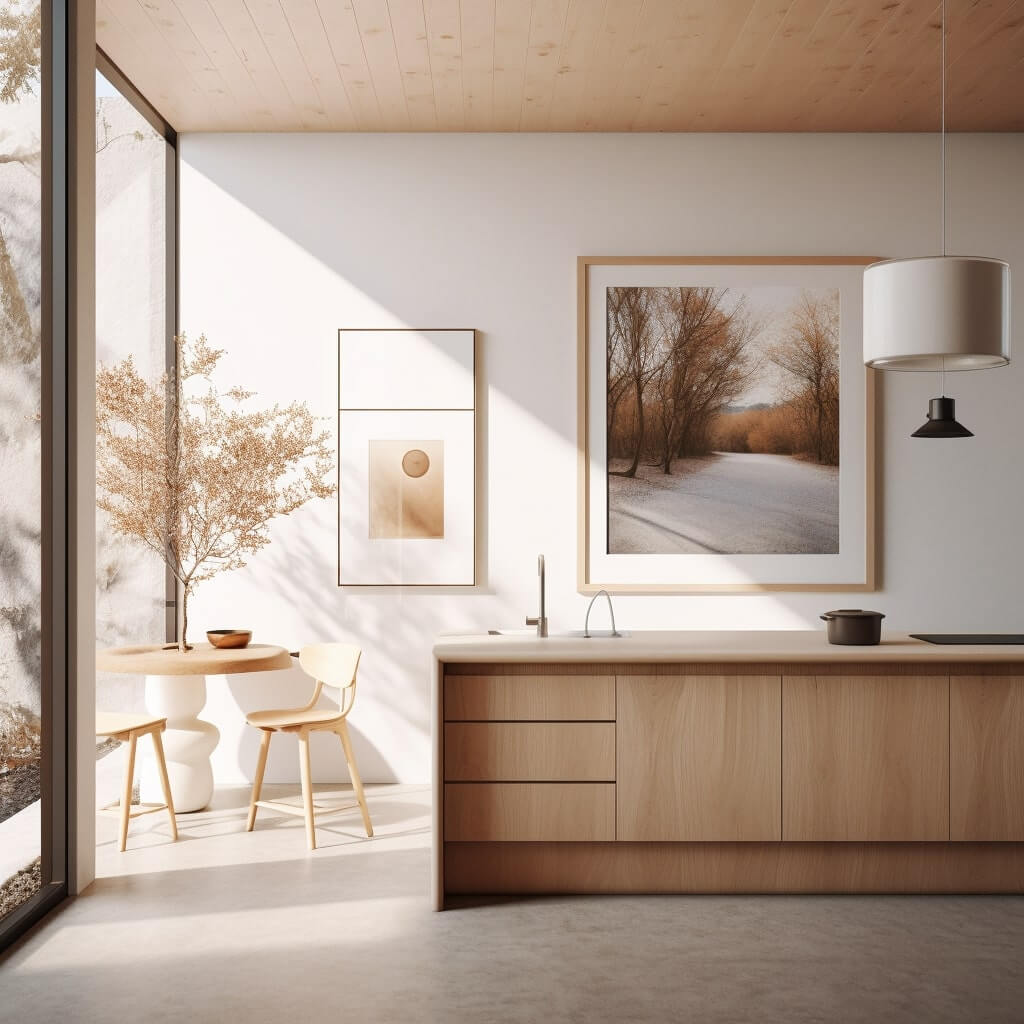
In a world where so much of what we buy is disposable, Japandi reminds us that true beauty lies in longevity. These are objects that will age gracefully, that will be passed down through generations, each scratch and dent a testament to a life well-lived. This is not design for the moment; it is design for the soul.
The Emotional Resonance: Why Japandi Feels Like Home
Perhaps the most compelling aspect of Japandi is its emotional resonance. In an era of digital overload and relentless stimulation, it offers a counterpoint—a way of living that is slow, mindful, and deeply connected to the natural world. This is not a style that demands perfection; it embraces imperfection. A slightly uneven floorboard, a chair with a visible grain, a ceramic mug with a tiny flaw—these are not mistakes, but badges of authenticity. They remind us that life is not about control, but about acceptance.
Japandi also speaks to our innate longing for simplicity. In a culture that often equates success with accumulation, it offers a radical alternative: the idea that less can be more. That a home filled with objects we love is more valuable than one stuffed with things we merely own. That a life lived with intention is richer than one lived on autopilot. This is the essence of ikigai—the Japanese concept of a life worth living—and it is woven into every fiber of Japandi design.
There is also a quiet rebellion in Japandi. In a world that often prioritizes speed and convenience, it champions slowness and deliberation. It asks us to pause, to breathe, to savor the moment. To sit on the floor and feel the coolness of a tatami mat beneath our feet. To run our fingers over the rough texture of a hand-thrown bowl. To watch the way light filters through a shoji screen, casting ever-changing shadows on the wall. In this way, Japandi is not just a design style; it is a way of being.
It is the feeling of coming home after a long day and sinking into a chair that cradles your body like an old friend. It is the sight of a single, perfect flower in a simple vase, its petals unfurling like a promise. It is the sound of a wooden spoon clinking against a ceramic bowl, the aroma of cedar and linen, the sight of a room that feels like a hug.
This, then, is the magic of Japandi: it does not just decorate a space. It transforms it into a sanctuary. A place where the soul can rest. Where the mind can wander. Where the heart can feel at home.
In the end, Japandi is more than a trend. It is a timeless dialogue between two cultures that, despite their differences, share a profound understanding of what it means to live well. It is the art of finding beauty in simplicity, of creating harmony in a world that often feels chaotic. It is, in every sense, a love story—not just between two design traditions, but between us and the spaces we inhabit.
And perhaps that is why it feels so right. Because in a world that is constantly changing, home should be the one place that never does.


Leave a Comment