

The Punk Aesthetic Code: Safety Pins, Tartan, and the Anti-Establishment Stitch
In the dimly lit backrooms of 1970s London, where the air hummed with the discordant rattle of a broken society, a new visual language emerged from the smoldering embers of discontent. It was not born from the polished halls of art schools or the gilded pages of fashion magazines, but from the raw, unfiltered pulse of a generation that refused to be silenced. This was the punk aesthetic—a defiant symphony of safety pins, tartan, and the anti-establishment stitch, a code written in rebellion and stitched with unapologetic fervor. It was less a trend and more a manifesto, less a style and more a scream into the void, a visual roar that echoed the chaos of its time while transcending it entirely.
The safety pin, humble in its utility, became a symbol of both fragility and fortitude. In the hands of punk artisans, it was transformed from a mundane household item into a weapon of subversion. Safety pins were not merely functional; they were declarative. When fastened through flesh, fabric, or even the frayed edges of a tattered jacket, they became emblems of resilience, stitching together the broken pieces of a fractured identity. They were the antithesis of perfection, a deliberate embrace of the imperfect, the torn, the raw. In an era that demanded conformity, the safety pin was a middle finger raised high, a silent yet deafening challenge to the status quo.
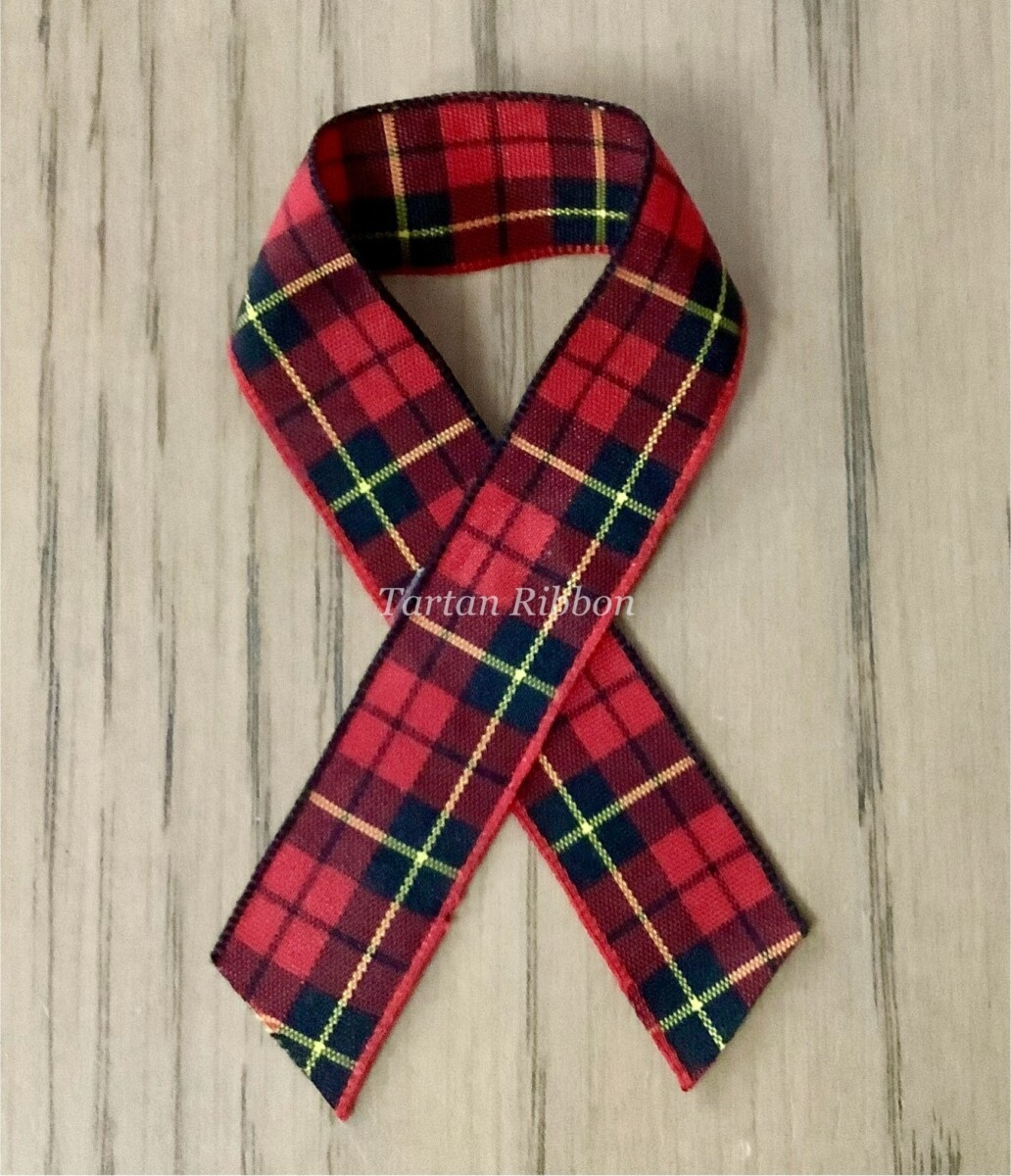
Tartan, with its centuries-old roots in Scottish heritage, was another unlikely accomplice in punk’s visual coup. Traditionally a symbol of clan identity and aristocratic lineage, tartan was hijacked by punk’s anarchic spirit and repurposed as a banner of defiance. The juxtaposition was delicious: a fabric steeped in history, now draped over the shoulders of those who sought to dismantle the very institutions that had once revered it. Tartan became a canvas for disruption, its bold plaids clashing against the monochrome monotony of mainstream fashion. It was a visual paradox—simultaneously a nod to heritage and a middle finger to tradition. In the punk lexicon, tartan was not just cloth; it was a statement, a sartorial scream that said, “We will take your symbols and make them ours.”
The anti-establishment stitch was the final flourish in this rebellious tapestry. Where conventional tailoring sought to conceal, punk stitching reveled in the exposed. Seams were left raw, hems were deliberately uneven, and fabrics were torn and reassembled with a disregard for the rules of construction. This was not sloppiness; it was a deliberate rejection of the polished, the pristine, the “proper.” The anti-establishment stitch was a rebellion stitched into every garment, a reminder that beauty did not require perfection—it required authenticity. It was the punk equivalent of a manifesto written in jagged, uneven lines, a visual representation of the chaos that punk sought to embody.
But why did this aesthetic resonate so deeply? Why did safety pins, tartan, and the anti-establishment stitch become the visual shorthand for a generation’s disillusionment? The answer lies in their inherent duality. Safety pins were both protective and provocative, offering a shield while simultaneously piercing the veil of societal norms. Tartan was both regal and ragged, a fabric that carried the weight of history while being worn by those who sought to burn it down. The anti-establishment stitch was both a wound and a healing, a tear in the fabric of convention that also held the promise of something new. This duality made the punk aesthetic endlessly adaptable, a chameleon that could shift its meaning depending on the wearer’s intent.
Consider the safety pin’s journey from utility to icon. Originally designed to fasten diapers, it was repurposed by punk pioneers like Vivienne Westwood and Malcolm McLaren as a symbol of resistance. When worn through clothing or skin, it became a literal and metaphorical piercing of the status quo. It was a reminder that even the most mundane objects could be transformed into tools of rebellion. Tartan, too, underwent a metamorphosis. Once the uniform of the elite, it became the fabric of the outcast, the misfit, the revolutionary. The anti-establishment stitch, meanwhile, was a rejection of the meticulous craftsmanship that defined haute couture. It was a celebration of the imperfect, the unfinished, the raw—qualities that punk held in high esteem.

The punk aesthetic was not merely a fashion statement; it was a form of cultural alchemy. It took the discarded, the broken, and the overlooked and transformed them into something potent and alive. Safety pins, once hidden in drawers, were now worn as badges of honor. Tartan, once confined to the pages of history books, was now draped over the shoulders of those who sought to rewrite the narrative. The anti-establishment stitch, once a sign of poor craftsmanship, was now a declaration of intent. This alchemy was not just about aesthetics; it was about reclaiming agency in a world that sought to dictate every aspect of existence.
Yet, the punk aesthetic was more than just a rejection of the old—it was an invitation to create something new. It was a call to arms for those who felt marginalized, ignored, or silenced. By stitching together the fragments of a broken world, punk offered a vision of beauty that was unapologetically raw, unpolished, and unfiltered. It was a reminder that perfection was overrated, that rules were meant to be broken, and that true artistry lay in the willingness to embrace the imperfect.
The legacy of the punk aesthetic continues to resonate today, not just in fashion but in the broader cultural landscape. It has inspired countless movements, from the grunge aesthetic of the 1990s to the modern resurgence of DIY fashion. The safety pin, tartan, and the anti-establishment stitch remain potent symbols of resistance, adaptable to new contexts and new generations. They remind us that rebellion is not a fleeting trend but a timeless impulse—a desire to challenge, to disrupt, and to redefine the boundaries of what is possible.
In a world that often feels increasingly polished and sanitized, the punk aesthetic offers a breath of fresh, unfiltered air. It is a reminder that beauty can be found in the broken, the torn, and the raw. It is a call to embrace the imperfect, to stitch together the fragments of our lives with defiance and creativity. The safety pin, tartan, and the anti-establishment stitch are not just relics of a bygone era; they are living, breathing symbols of a spirit that refuses to be tamed. They are the visual language of those who dare to dream of a world that is not just seen, but truly felt.


Leave a Comment