

The modular smartphone dream isn’t just a futuristic fantasy—it’s a tangible revolution reshaping how we think about technology ownership. In an era where disposable devices clog landfills and repair costs rival the price of a new phone, Fairphone emerged as the unlikely hero, wielding sustainability as both sword and shield. Their mission? To dismantle the throwaway culture of consumer electronics and replace it with a philosophy of longevity, repairability, and ethical ingenuity. This isn’t merely a product; it’s a manifesto disguised as a smartphone, challenging the status quo with every modular click and screw. The question isn’t whether Fairphone has won the repairability war—it’s how the rest of the industry will respond to their victory.
Imagine holding a device where every component is a potential conversation starter. The Fairphone isn’t just a tool; it’s a testament to human-centered design, where obsolescence is obsolete. Its modular architecture invites users to become co-creators of their technology, turning repair from a chore into a ritual of empowerment. This is the antithesis of planned obsolescence, a concept so deeply ingrained in tech culture that it feels revolutionary. Yet, Fairphone doesn’t just promise change—it delivers it, brick by brick, circuit by circuit. Their approach isn’t incremental; it’s transformative, redefining what it means to own a smartphone in the 21st century.
The Philosophy of Longevity: Why Throwaway Tech is a Lie
Every year, millions of smartphones meet their untimely demise not because they’ve stopped working, but because they’ve stopped being fashionable. Planned obsolescence isn’t a conspiracy theory—it’s a business model, one that thrives on the illusion of necessity. Fairphone dismantles this lie by embedding longevity into its DNA. Their devices aren’t built to break; they’re engineered to evolve. The Fairphone 6, for instance, boasts a decade-long warranty, a bold statement in an industry where two years is considered generous.
This isn’t just about hardware. It’s a cultural shift. Fairphone challenges the notion that progress requires sacrifice—specifically, the sacrifice of our planet’s resources. By prioritizing repairability, they force us to confront the true cost of our gadgets. A broken screen? Swap it in minutes. A dying battery? Replace it without voiding your warranty. These aren’t luxuries; they’re rights in a world where technology should serve humanity, not the other way around. The modular smartphone dream isn’t utopian—it’s pragmatic, a blueprint for an industry that has long prioritized profits over people.
The Modular Revolution: How Fairphone Turned Screws into Superpowers
At the heart of Fairphone’s triumph is its modular design, a feat of engineering that turns the average smartphone into a Lego set for adults. The Fairphone 5, for example, can be disassembled in under 30 seconds using nothing but a standard screwdriver. No glue. No proprietary tools. Just pure, unadulterated accessibility. This isn’t just clever design—it’s a middle finger to the closed ecosystems that have dominated tech for decades.
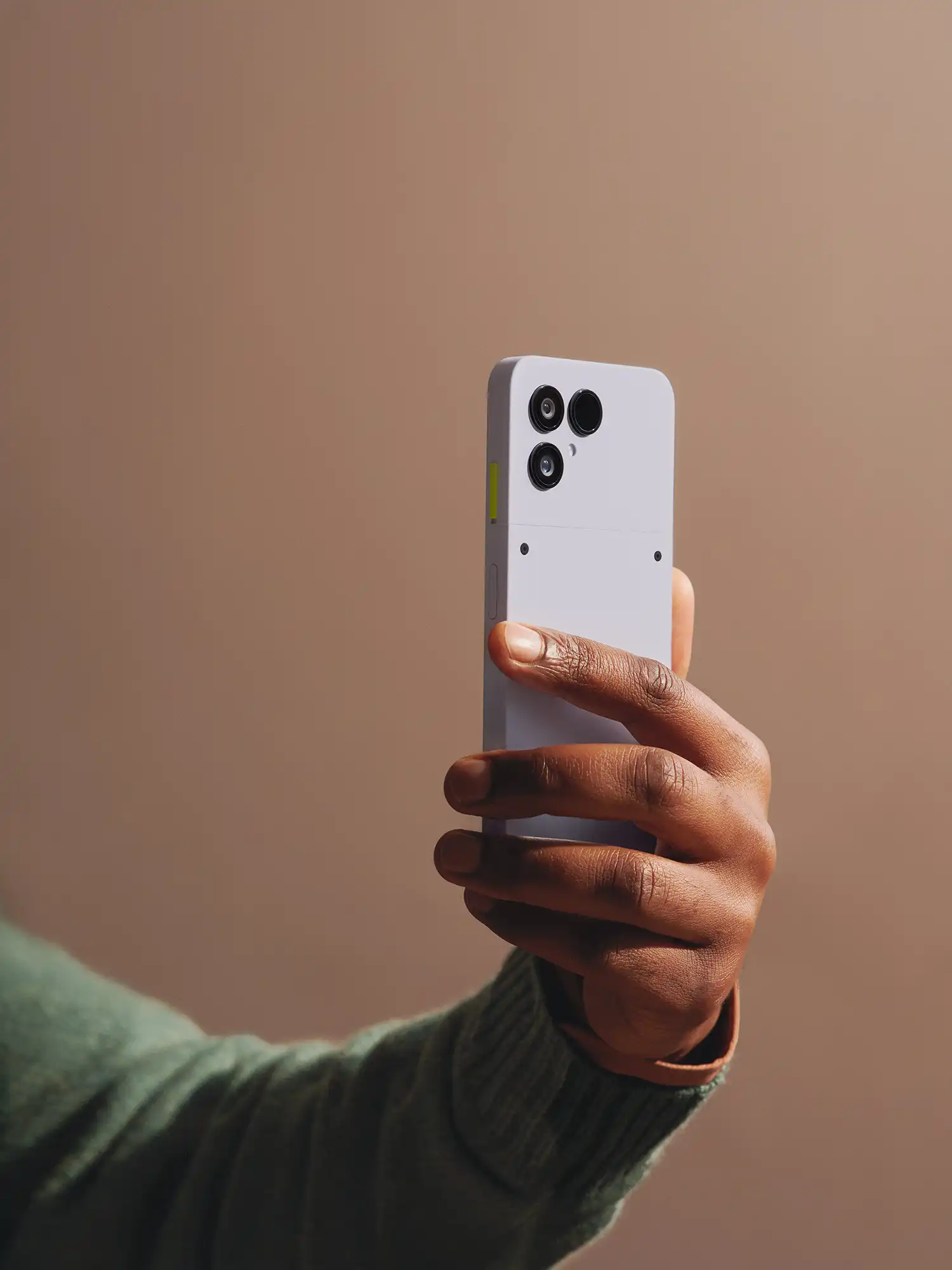
Each module—from the camera to the speaker—snaps into place with the satisfying *click* of a well-engineered puzzle. No soldering. No frustration. Just the quiet hum of a device that refuses to be a prisoner of its own design. This is the democratization of repair, a concept so radical it borders on subversive. Fairphone doesn’t just sell phones; they sell agency. They remind us that technology should bend to our will, not the other way around. In a world where most devices are sealed tombs, Fairphone’s openness is nothing short of revolutionary.
The Environmental Imperative: Why Your Old Phone is a Ticking Time Bomb
The average smartphone contains over 70 elements from the periodic table, many of which are mined under horrific conditions. Cobalt, lithium, gold—these aren’t just materials; they’re the blood and bones of our digital lives. Yet, the industry treats them as disposable, churning out devices that are cheaper to replace than to fix. Fairphone’s approach is a direct challenge to this wastefulness. By designing for longevity, they slash the carbon footprint of their products by up to 70%, according to their own sustainability reports.
But the environmental benefits extend beyond reduced waste. Fairphone’s modular design allows for easy upgrades, meaning users can keep their devices running for years without sacrificing performance. No more chasing the latest model. No more contributing to the 50 million tons of e-waste generated annually. Instead, a single Fairphone can serve its owner for a decade, its components swapped out like tires on a car. This isn’t just greenwashing—it’s a blueprint for a circular economy, one where products are designed to last, not landfill.
The Human Factor: How Fairphone Puts People Over Profits
In an industry dominated by faceless corporations, Fairphone stands out as a beacon of ethical clarity. Their supply chain is transparent, their labor practices fair, and their commitment to social responsibility unwavering. They don’t just pay lip service to sustainability—they bake it into every decision, from the mines where their materials are sourced to the factories where their phones are assembled. This isn’t charity; it’s justice. Fairphone proves that it’s possible to build a profitable business without exploiting people or the planet.
Consider their approach to conflict minerals. Unlike most tech giants, Fairphone doesn’t turn a blind eye to the human cost of their products. They trace their supply chain meticulously, ensuring that no child labor or forced mining taints their devices. This level of accountability isn’t just commendable—it’s essential. In a world where tech companies are increasingly seen as complicit in global injustices, Fairphone offers a different path: one where technology is a force for good, not greed.
The Consumer Awakening: Why the Market is Finally Listening
For years, the tech industry operated under the assumption that consumers would never prioritize ethics over convenience. But Fairphone’s success has shattered that myth. Their devices aren’t just niche curiosities—they’re in demand. The Fairphone 5 sold out within hours of its release, a testament to the growing appetite for ethical alternatives. This isn’t a passing trend; it’s a seismic shift in consumer behavior. People are tired of being treated as cash cows. They want products that align with their values, not just their wallets.

The rise of the “right to repair” movement is no coincidence. It’s a direct response to decades of corporate greed, a rallying cry for consumers who refuse to be held hostage by planned obsolescence. Fairphone didn’t just ride this wave—they created it. Their modular design isn’t just a feature; it’s a statement. It says: *You own your device. Your device shouldn’t own you.* And in a world where technology is increasingly seen as an extension of ourselves, that’s a message that resonates deeply.
The Industry’s Wake-Up Call: Can Big Tech Change or Will It Fade Into Obscurity?
Fairphone’s victory isn’t just a win for sustainability—it’s a warning shot across the bow of the entire tech industry. The message is clear: adapt or become irrelevant. Yet, for all their progress, Fairphone remains a David in a world of Goliaths. The challenge now is whether the industry will follow their lead or double down on the status quo. Will Apple, Samsung, and Google embrace modularity, or will they cling to the closed, disposable models that have defined them for decades?
The signs are mixed. Apple, for instance, has made strides with its self-repair programs, but their devices remain far from truly modular. Samsung and Google, meanwhile, have yet to make significant moves toward repairability. This isn’t just a missed opportunity—it’s a betrayal of consumer trust. The writing is on the wall: the future belongs to those who prioritize longevity over novelty. Fairphone has shown the way. The question is whether the rest of the industry has the courage to follow.
The modular smartphone dream isn’t just a possibility—it’s an inevitability. Fairphone has already won the repairability war. The only question left is how long it will take the rest of the world to catch up.


Leave a Comment