

In the ever-evolving landscape of digital design, few trends have captured the collective imagination quite like “Dark Mode.” With its sleek, low-light aesthetic and purported energy-saving benefits, it has become a staple in modern interfaces. Yet, beneath the surface of this seemingly ubiquitous feature lies a myth that has quietly taken root in the minds of users and designers alike: the belief that dark mode significantly conserves battery life. The truth, however, is far more nuanced, and the narrative around dark mode’s energy efficiency deserves a closer examination.
The allure of dark mode is undeniable. It promises a reduction in eye strain, a sleek visual experience, and—most tantalizingly—a way to extend the battery life of our beloved devices. But how much of this is rooted in reality, and how much is a carefully crafted illusion? To unravel this myth, we must delve into the mechanics of display technology, the intricacies of user behavior, and the often-overlooked variables that influence energy consumption. This exploration will reveal that the relationship between dark mode and battery life is not as straightforward as it appears, and that the benefits of dark mode extend far beyond the realm of energy savings.
The Illusion of Energy Efficiency: How Displays Really Work
At the heart of the dark mode debate lies a fundamental misunderstanding of how modern displays consume power. The myth that dark mode saves battery life is largely predicated on the assumption that darker pixels require less energy to illuminate. While this holds some truth for certain types of displays, particularly OLED screens, it is far from a universal rule. The reality is that the energy savings from dark mode are highly dependent on the underlying display technology, and even then, the benefits are often overstated.
For OLED displays, which power the majority of modern smartphones, the relationship between pixel brightness and energy consumption is indeed inverse. In an OLED screen, each pixel is individually lit, meaning that darker pixels consume less power. When a predominantly dark interface is displayed, fewer pixels are fully illuminated, leading to a reduction in energy usage. However, this effect is not as pronounced as many assume. Studies have shown that the energy savings from dark mode on OLED devices are typically in the range of 10-30%, a far cry from the dramatic reductions often touted by enthusiasts. Moreover, these savings are highly context-dependent, diminishing as the amount of white or light-colored content increases.
For LCD screens, which still dominate the market for laptops and some smartphones, the story is entirely different. LCD displays rely on a backlight that illuminates the entire screen uniformly, regardless of the content displayed. In this case, dark mode has little to no impact on energy consumption because the backlight remains constant. The only potential savings come from the reduced power required to drive the liquid crystal layer, but these savings are negligible in the grand scheme of things. The myth of dark mode’s energy efficiency is, therefore, largely irrelevant for the majority of users who rely on LCD displays.
The User Behavior Paradox: Why Dark Mode Might Not Deliver on Its Promises
Even for those using OLED devices, the energy-saving benefits of dark mode are often undermined by user behavior. The paradox of dark mode lies in the fact that its adoption is frequently driven by aesthetic preferences rather than practical considerations. Users who switch to dark mode often do so for the sleek, modern look it provides, rather than for any perceived battery life improvements. This means that the energy savings, such as they are, are often incidental rather than intentional.
Consider the typical user experience. A person might enable dark mode on their smartphone, only to spend hours scrolling through brightly lit social media feeds or watching videos with predominantly light backgrounds. In these scenarios, the energy savings from dark mode are effectively negated, as the device is forced to display large areas of white or light-colored content. The result is a net-zero impact on battery life, despite the user’s best intentions. This behavior underscores a critical flaw in the dark mode narrative: its effectiveness is entirely contingent on the content being displayed, and in many cases, that content is beyond the user’s control.
Furthermore, the rise of “ambient mode” features in smart devices has further complicated the energy-saving equation. Many modern devices automatically adjust their display brightness based on ambient lighting conditions, often overriding user settings. In bright environments, the display may default to a lighter theme to improve visibility, even if dark mode is enabled. This dynamic adjustment can further dilute the potential energy savings, rendering dark mode a moot point in terms of battery life.
The Psychological Allure: Why We Cling to the Dark Mode Myth
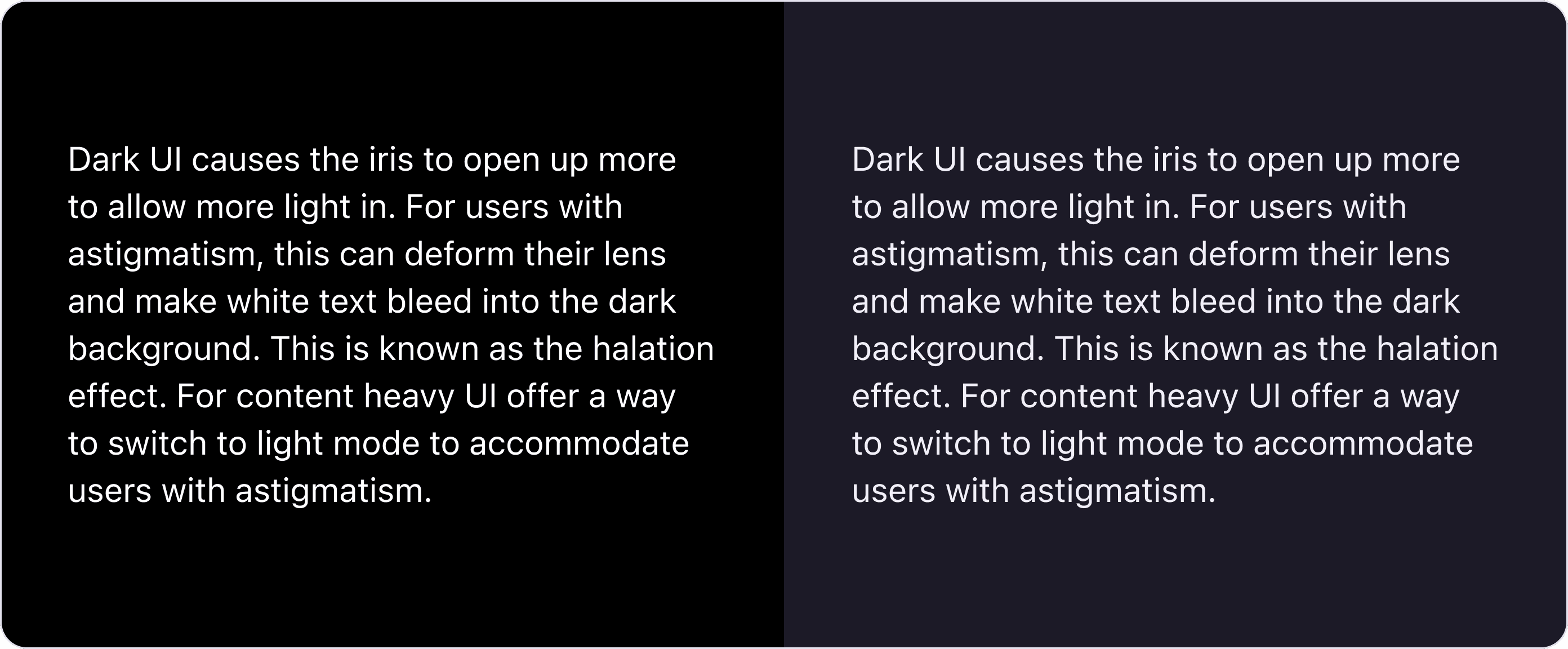
The persistence of the dark mode myth is not merely a matter of technological misunderstanding; it is also deeply rooted in psychology. Humans are inherently drawn to aesthetics, and dark mode offers a visually striking alternative to the traditional light interface. The psychological appeal of dark mode lies in its ability to create a sense of sophistication, modernity, and even exclusivity. When users enable dark mode, they are not just making a functional choice; they are making a statement about their preferences and identity.
This psychological allure is further reinforced by the placebo effect. When users believe that dark mode saves battery life, they are more likely to perceive it as effective, even if the actual energy savings are minimal. The human brain is wired to seek patterns and explanations, and the narrative of dark mode as an energy-saving feature fits neatly into this cognitive framework. As a result, the myth persists, even in the face of contradictory evidence.
Additionally, the marketing and design industries have played a significant role in perpetuating the dark mode myth. Tech companies and app developers often highlight dark mode as a key feature in their product updates, framing it as a must-have innovation. This marketing push has created a feedback loop, where users associate dark mode with progress and sophistication, further entrenching the myth in popular consciousness.
Beyond Battery Life: The True Benefits of Dark Mode
While the energy-saving claims of dark mode may be overblown, this does not mean that dark mode is without merit. In fact, the true benefits of dark mode extend far beyond battery life, addressing a range of practical and psychological needs. For starters, dark mode can significantly reduce eye strain, particularly in low-light environments. The high contrast between light text and a dark background is easier on the eyes, reducing the risk of discomfort and fatigue during prolonged use.
Dark mode also offers a solution to the problem of screen glare. In brightly lit environments, such as outdoor settings or rooms with abundant natural light, a dark interface can minimize reflections and improve readability. This makes dark mode a practical choice for users who frequently find themselves in challenging lighting conditions. Additionally, dark mode can enhance the perceived performance of a device. A sleek, dark interface often feels more responsive and modern, contributing to a more enjoyable user experience.
Another often-overlooked benefit of dark mode is its impact on battery longevity. While the energy savings may be modest, they can still contribute to a longer lifespan for OLED displays. By reducing the overall power consumption of the device, dark mode can help mitigate the wear and tear on display components, potentially extending the device’s operational life. This is particularly relevant for users who rely on their devices for extended periods, such as professionals or students.
The Future of Dark Mode: Balancing Aesthetics and Functionality
As display technology continues to evolve, the role of dark mode in digital design will likely undergo further transformation. Emerging technologies, such as microLED and advanced LCD variants, may offer new opportunities for energy-efficient displays that blur the line between dark and light modes. These innovations could pave the way for adaptive interfaces that dynamically adjust their appearance based on real-time conditions, optimizing both aesthetics and functionality.
For designers and developers, the challenge lies in striking a balance between the visual appeal of dark mode and its practical limitations. While dark mode may not be the energy-saving panacea it is often made out to be, it remains a valuable tool for enhancing user experience. The key is to approach dark mode as one component of a broader design strategy, rather than a standalone solution. By prioritizing user needs and leveraging the unique strengths of dark mode, designers can create interfaces that are both visually stunning and functionally robust.
The dark mode myth, while not entirely baseless, is a reminder of how easily misconceptions can take root in the digital age. It highlights the importance of critical thinking and evidence-based design, where aesthetics are balanced with functionality. As users and creators, we must remain vigilant, questioning the narratives that shape our digital experiences and seeking out the truth beneath the surface.
The journey of dark mode is far from over. As technology advances and user expectations evolve, the conversation around dark mode will continue to unfold. What remains clear, however, is that its value lies not in its ability to save battery life, but in its capacity to enhance the way we interact with our devices. In a world where digital experiences are increasingly central to our lives, dark mode serves as a testament to the power of thoughtful design—a reminder that even the smallest details can leave a lasting impression.


Leave a Comment