

Have you ever wondered what lurks beneath the surface of a discarded SIM card? Beyond its role as a digital gatekeeper, that tiny rectangle of plastic and metal might hold a secret worth more than just a few gigabytes of data. What if I told you that that unassuming strip of gold could be transformed into something far more personal—a ring, perhaps, or a pendant, gleaming with the same luster as the day it was minted? The idea is as audacious as it is thrilling: turning the remnants of technology into wearable art. But here’s the playful challenge: could you actually do it? And more importantly, should you?
The allure of repurposing old SIM cards isn’t just about the potential for profit or sustainability—it’s about the alchemy of turning the mundane into the extraordinary. Imagine holding a piece of your old phone in your hand, not as a relic of obsolescence, but as a shimmering testament to ingenuity. The process, however, is not for the faint of heart. It demands patience, precision, and a willingness to flirt with the unexpected. So, let’s embark on this journey together, where the lines between technology and treasure blur, and where every discarded SIM card becomes a canvas for creativity.
The Hidden Treasure in Your SIM Card
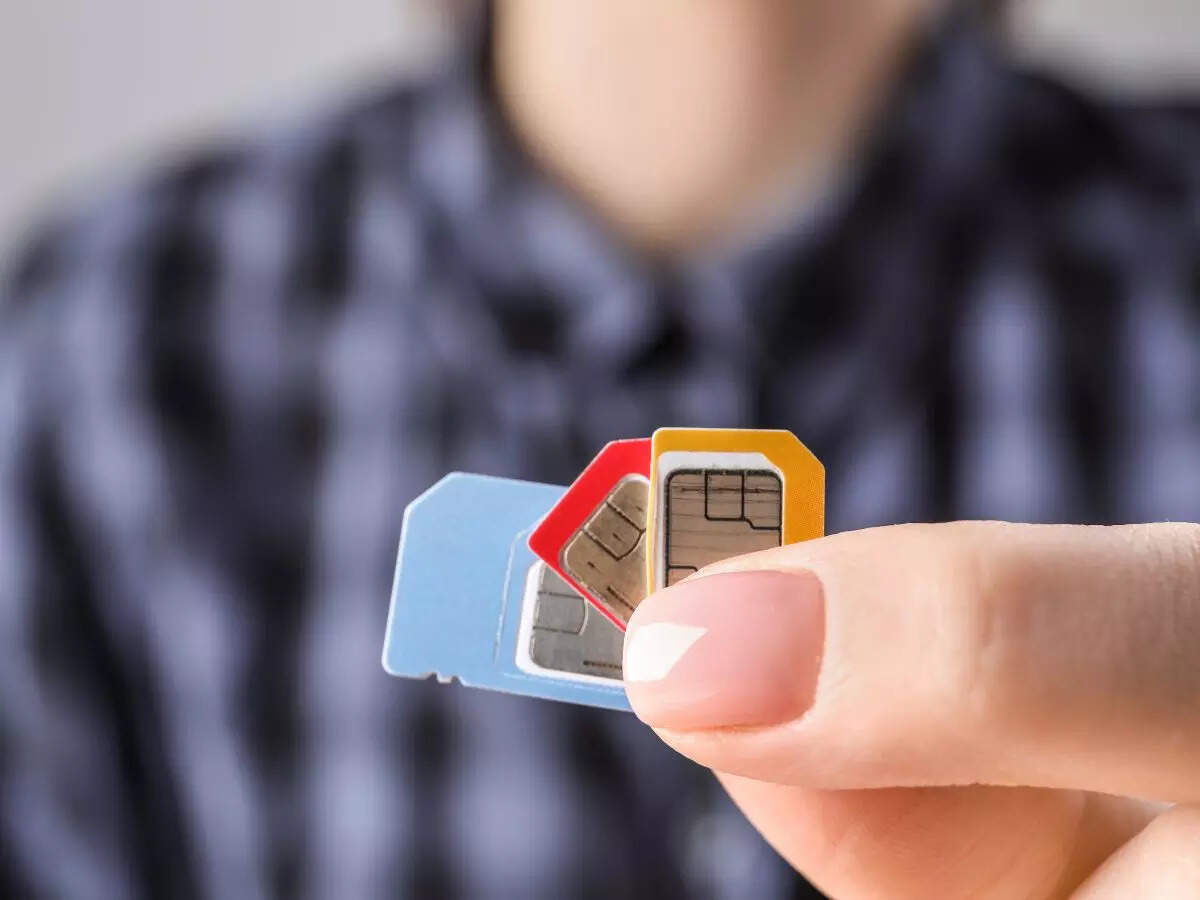
At first glance, a SIM card is a humble thing—a sliver of plastic embedded with a microchip, designed to authenticate your identity in the digital realm. But peel back the layers, and you’ll discover a hidden treasure trove. Beneath the plastic lies a thin layer of gold, a conductor that ensures your phone connects to the world. This gold isn’t just functional; it’s a vestige of the earth’s ancient alchemy, refined and repurposed into something modern. The question is, how much gold is in there? Typically, a SIM card contains about 0.002 grams of gold, a speck so small it’s almost laughable. Yet, when you consider the millions of SIM cards discarded annually, the cumulative potential becomes staggering. It’s the kind of treasure hunt where the real prize isn’t the gold itself, but the story it tells.
Extracting that gold, however, is no simple feat. The process requires a blend of chemistry and craftsmanship. You’ll need to dissolve the plastic, separate the gold from the other metals, and refine it into a malleable form. It’s a dance of precision, where one misstep could leave you with a puddle of disappointment instead of a gleaming ring. The challenge isn’t just technical; it’s philosophical. Are you prepared to turn something as ephemeral as a phone connection into something as enduring as a piece of jewelry? The answer might surprise you.

The Alchemy of Transformation: From Circuit to Ring
Turning a SIM card into a ring is less about brute force and more about finesse. The first step is to strip away the plastic, a process that’s as much about patience as it is about technique. You’ll need a solvent strong enough to dissolve the epoxy resin that binds the card together, but gentle enough to spare the delicate gold beneath. Acetone is a popular choice, though it demands respect—its fumes are noxious, and its handling requires care. Once the plastic is gone, you’re left with a fragile lattice of gold and other metals, a ghost of the card’s former self.
The next challenge is separation. Gold doesn’t exist in isolation; it’s often alloyed with other metals like copper or nickel. To isolate the gold, you’ll need to employ a chemical process known as electrolysis, where an electric current is used to draw the gold out of the alloy. It’s a method that feels almost magical, watching the gold migrate toward the cathode like a metal-seeking missile. But be warned: this step is fraught with pitfalls. Too much current, and you risk dissolving more than you intend. Too little, and the gold remains stubbornly intertwined with its companions. It’s a balancing act, one that tests both your skill and your resolve.
Once the gold is purified, the real craftsmanship begins. Shaping it into a ring requires a jeweler’s touch. You’ll need to anneal the gold—heat it to a precise temperature to make it pliable—before bending it into the desired form. A ring mandrel becomes your best friend, guiding the gold into a shape that’s both functional and beautiful. The process is tactile, almost meditative, as you coax the metal into submission. But here’s the kicker: not all gold behaves the same. The purity of your extracted gold will dictate its malleability. A higher karat count means softer gold, which can be a blessing or a curse depending on your design. Will you opt for a delicate filigree, or a bold, unyielding band? The choice is yours, but it’s a choice that demands experimentation.
The Ethical Quandary: Should You Really Do This?
Before you dive headfirst into this project, it’s worth pausing to consider the ethical implications. The idea of repurposing old SIM cards is undeniably appealing—it’s recycling at its most creative. But is it responsible? The gold in a SIM card is a byproduct of industrial processes, and extracting it for personal use might seem like a harmless act of upcycling. Yet, the reality is more nuanced. The chemicals involved in extraction—acetone, nitric acid, cyanide in some cases—are hazardous. Improper disposal of these substances can have dire environmental consequences. Are you prepared to handle them with the care they demand?
There’s also the question of scale. While one SIM card might yield a minuscule amount of gold, the cumulative impact of extracting gold from thousands of cards could be significant. Is this a sustainable practice, or just another form of digital-age mining? The answer isn’t black and white. It’s a gray area where creativity and responsibility collide. Perhaps the most ethical approach is to view this project not as a means of profit, but as a statement—a reminder that even the smallest objects can carry hidden value. The ring you create isn’t just jewelry; it’s a conversation starter, a tangible proof of the idea that nothing is truly waste until we declare it so.
The Unexpected Joys and Pitfalls of the Process
No project of this nature is without its surprises. For every triumphant moment where the gold bends to your will, there’s a setback that leaves you questioning your life choices. Perhaps the acetone didn’t fully dissolve the plastic, leaving a stubborn residue that clings to the gold like a bad memory. Or maybe the electrolysis process went awry, and instead of a gleaming nugget, you’re left with a murky sludge. These are the moments that test your resolve. But it’s also in these moments that the true joy of the process reveals itself. There’s a peculiar satisfaction in overcoming adversity, in turning failure into fuel for the next attempt.
One of the most delightful aspects of working with gold from SIM cards is the unpredictability. No two cards are exactly alike, and neither are the pieces of gold they yield. Each ring you create will be a one-of-a-kind artifact, a testament to the unique journey it took to reach your hands. Will it be delicate or bold? Shiny or matte? The answers emerge as you work, guided by intuition as much as technique. It’s a process that feels almost alive, as if the gold itself is guiding your hands.
But let’s not sugarcoat the challenges. The most daunting hurdle is often the simplest: finding enough SIM cards to make the project worthwhile. A single card won’t yield enough gold for a ring, so you’ll need to amass a small collection. This means asking friends, scouring recycling bins, or even reaching out to local tech shops. It’s a scavenger hunt that requires persistence, but the thrill of the chase is half the fun. And once you’ve gathered your trove, the real work begins.
Wearable Art: The Final Piece
The moment you slide your newly crafted ring onto your finger is one of pure magic. It’s not just jewelry; it’s a story etched in metal. Every scratch, every imperfection is a chapter in the narrative of its creation. Will you engrave it with a date, a symbol, or a secret message? The choice is yours, but whatever you do, it should reflect the journey you’ve undertaken. This ring is more than an accessory—it’s a talisman, a reminder of the hidden potential that lies within the discarded.
Of course, not everyone will understand the significance of your creation. To the uninitiated, it might just look like a simple band of gold. But to you, it’s a testament to creativity, resilience, and the joy of turning the ordinary into the extraordinary. It’s a conversation starter, a piece of wearable art that sparks curiosity and admiration. And who knows? Once you’ve mastered the art of SIM card alchemy, you might find yourself eyeing other discarded treasures—old circuit boards, broken phones, or even rusted keys—each with their own stories to tell.
The journey from SIM card to ring is one of transformation, both for the metal and for the creator. It’s a process that demands patience, skill, and a willingness to embrace the unexpected. But the reward—a gleaming piece of jewelry forged from the remnants of technology—is worth every challenge. So, the next time you’re about to toss an old SIM card into the recycling bin, pause for a moment. Could it be the start of something beautiful?
In the end, the real treasure isn’t the gold itself, but the journey of discovery. It’s the thrill of the hunt, the satisfaction of creation, and the knowledge that even the smallest objects can carry the weight of wonder. So go ahead—dive into the alchemy of transformation. Your next masterpiece might be hiding in plain sight.


Leave a Comment