

In the quiet hum of a suburban garage, where the scent of sawdust mingles with the faint metallic tang of a circular saw, a transformation begins—not of the space itself, but of the humble 2×4. What starts as a stack of unassuming lumber, straight from the lumberyard’s embrace, ends as a chair that cradles the body like a second spine. This is the alchemy of simplicity: turning a single, unpretentious piece of wood into a functional throne, a seat of rest, a testament to the elegance of minimalism. The journey from raw plank to polished chair is less about complexity and more about intention, a dance between precision and patience that rewards the maker with something far greater than a piece of furniture—it gifts them a story.
The allure of the single 2×4 chair lies not in its grandeur, but in its quiet rebellion against excess. In a world where furniture is often designed to be assembled, discarded, and replaced, this chair stands as a defiant ode to permanence. It whispers of sustainability before the word became a buzzword, of craftsmanship before the term was co-opted by mass production. Each cut, each joint, each sanded edge is a deliberate choice, a refusal to surrender to the ephemeral. And when you sit in it, the chair doesn’t just hold you—it becomes an extension of your posture, a silent partner in the rhythm of daily life.
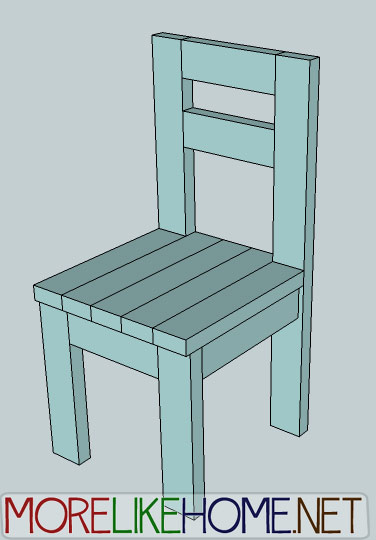
The Philosophy of a Single Plank: Why One Board is All You Need
To understand the magic of a 2×4 chair, you must first grasp the philosophy behind it. A single plank is not just a material; it is a canvas, a constraint that forces creativity to flourish within boundaries. The 2×4, typically 8 feet long and weighing a mere 10 pounds, is a paradox—a slender column of potential. Its dimensions are not arbitrary; they are a challenge. How do you coax a rectangle of wood into becoming a chair? The answer lies in the art of subtraction. Every cut, every notch, every curve is a removal of what isn’t needed, leaving behind only what serves a purpose.
This philosophy extends beyond the workshop. In a culture obsessed with accumulation, the single-plank chair is a radical act of reduction. It asks: What can be achieved with less? The answer is not just a chair, but a revelation. The grain of the wood, the warmth of the grain, the way the light plays across its surface—these are the details that elevate it from mere object to cherished artifact. It is a reminder that beauty often thrives in constraint, that the most profound designs are not those that demand the most, but those that ask for the least.
The Blueprint: A Step-by-Step Ode to Precision
Building a chair from a single 2×4 is not a task for the hasty or the careless. It is a meticulous process, a ballet of measurements and angles where a single miscalculation can unravel the entire endeavor. The first step is not cutting, but envisioning. You must see the chair in the wood before the saw ever touches the plank. This is where the metaphor of the chair as a living thing takes root—the wood is not just material; it is a silent collaborator, its grain dictating the flow of the design.
The traditional approach begins with the seat. A 2×4 is 3.5 inches wide, so the seat will be a rectangle of that width, typically 16 to 18 inches long. The challenge is to create a surface that is both sturdy and comfortable, a feat achieved through careful joinery. The legs, which will bear the weight of the sitter, must be cut at precise angles—often 10 to 15 degrees—to ensure stability. These legs are not mere sticks; they are the roots of the chair, anchoring it to the ground while the backrest rises like a spine.
The backrest is where the design truly shines. It is not a flat panel but a sculpted element, its shape dictated by the natural curves of the wood. Some builders opt for a gentle arc, mimicking the natural curvature of the spine, while others embrace a more angular aesthetic, creating a chair that feels like a geometric sculpture. The joinery here is critical. Mortise-and-tenon joints, though requiring patience, ensure that the backrest and seat merge seamlessly, eliminating the need for screws or nails. This is the essence of the single-plank chair: every piece fits together like a puzzle, each element essential, none superfluous.

The Tools: A Minimalist’s Arsenal
You do not need a workshop brimming with machinery to build a 2×4 chair. In fact, the beauty of this project is that it can be accomplished with a surprisingly modest toolkit. A circular saw, a drill, a chisel, and a sander are the essentials, though a Japanese pull saw or a hand plane can add a touch of artisan flair. The key is not the tools themselves, but the skill with which they are wielded. Precision is paramount; a sloppy cut is not merely an error—it is a betrayal of the wood’s potential.
Yet, there is a paradox here. The fewer the tools, the greater the demand for patience. Each cut must be measured twice, sanded thrice, and fitted with the care of a jeweler setting a gem. This is where the true craftsmanship lies—not in the complexity of the tools, but in the mindfulness of the maker. The act of building becomes a meditation, a rhythmic dance between hand and material. The hum of the saw, the scent of fresh sawdust, the tactile feedback of the wood—these are the sensory rewards of working with one’s hands.
The Aesthetic: Where Form Meets Function
A chair built from a single 2×4 is not just a utilitarian object; it is a statement. Its aesthetic is a fusion of raw simplicity and refined elegance, a blend of the rustic and the modern. The natural grain of the wood, left exposed, tells a story of its origins—each knot, each swirl a chapter in the life of the tree from which it came. When finished with a clear varnish or a coat of oil, the chair becomes a living sculpture, its surface glowing with the warmth of the wood’s inner soul.
The design itself can vary widely. Some builders favor a minimalist silhouette, with clean lines and unadorned surfaces, while others embrace a more organic form, with curves that flow like a river. The Adirondack-style chair, for example, is a masterclass in ergonomic design, its slatted backrest and angled seat cradling the sitter in comfort. Others opt for a more sculptural approach, with the backrest rising like a fin or arching like a bow. The choice is yours, but the result is always the same: a chair that is as pleasing to the eye as it is to the body.
This duality—of beauty and utility—is what sets the single-plank chair apart. It is not a piece of art that gathers dust on a pedestal, nor is it a utilitarian object that sacrifices form for function. It is both. It is a chair that invites you to sit, to linger, to reflect. It is a chair that becomes a part of your home, not just in its physical presence, but in the stories it witnesses.
The Experience: The Joy of Making and the Pride of Ownership
There is an ineffable joy in building something with your own hands, a satisfaction that cannot be replicated by purchasing a mass-produced item. The single 2×4 chair is a testament to this joy. Every hour spent measuring, cutting, sanding, and assembling is an investment in the final product. When you finally sit in the chair you’ve built, the sense of accomplishment is not just in the act of creation, but in the knowledge that you have crafted something that will endure.
This pride of ownership is amplified by the chair’s simplicity. Unlike furniture that is designed to be replaced, this chair is built to last. It is a heirloom in the making, a piece that can be passed down through generations. The wood, if cared for properly, will age gracefully, its surface developing a patina that tells the story of its life. The chair becomes more than an object; it becomes a companion, a silent witness to the passage of time.
And yet, the experience is not just about the end result. It is about the process—the way the wood smells when it’s freshly cut, the way your hands grow calloused from gripping the tools, the way the rhythm of the work becomes a meditative trance. There is a therapeutic quality to building with your hands, a way to quiet the noise of the modern world and reconnect with the tactile, the tangible, the real.
The Legacy: A Chair for the Ages
In a disposable culture, the single 2×4 chair stands as a defiant symbol of permanence. It is a rejection of the throwaway mentality, a celebration of the enduring. When you build a chair from a single plank, you are not just creating a piece of furniture; you are participating in a tradition that stretches back centuries. From the rustic benches of medieval Europe to the iconic chairs of the Arts and Crafts movement, the idea of building with minimal materials is not new—but its relevance has never been greater.
The chair you build today may outlast you. It may become a family heirloom, a piece of history passed down through generations. It may find its way into a home where it is loved, used, and cherished. Or it may become a statement piece in a minimalist apartment, a conversation starter in a café, a focal point in a garden. Whatever its fate, it will always be more than just a chair. It will be a testament to the power of simplicity, a reminder that the most profound creations often begin with the humblest of materials.
So, the next time you find yourself in a hardware store, staring at a stack of 2×4s, consider this: within that unassuming plank lies the potential for something extraordinary. All it takes is a little vision, a lot of patience, and the willingness to see the extraordinary in the ordinary. The chair you build may not change the world—but it will change the way you see it.
The journey from plank to chair is not just a project; it is a pilgrimage. It is a journey that teaches you the value of patience, the beauty of simplicity, and the joy of creation. And when you finally sit in the chair you’ve built, you’ll understand why this humble piece of furniture is so much more than it appears. It is not just a place to rest your body—it is a place to rest your soul.


Leave a Comment