

Have you ever stood in your workshop, lathe humming like a contented dragon, staring at a freshly mounted bowl blank that suddenly feels more like a runaway frisbee? The culprit? Your choice of mounting hardware. The age-old debate between the woodturning faceplate and the chuck isn’t just about preference—it’s about control, precision, and whether your prized bowl ends up decorating your workshop wall or your neighbor’s fence. Let’s dive into the heart of this spinning dilemma and uncover when each tool reigns supreme.
The Faceplate: The Reliable Workhorse of Bowl Turning
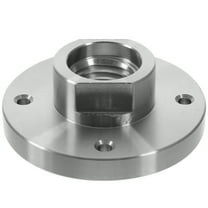
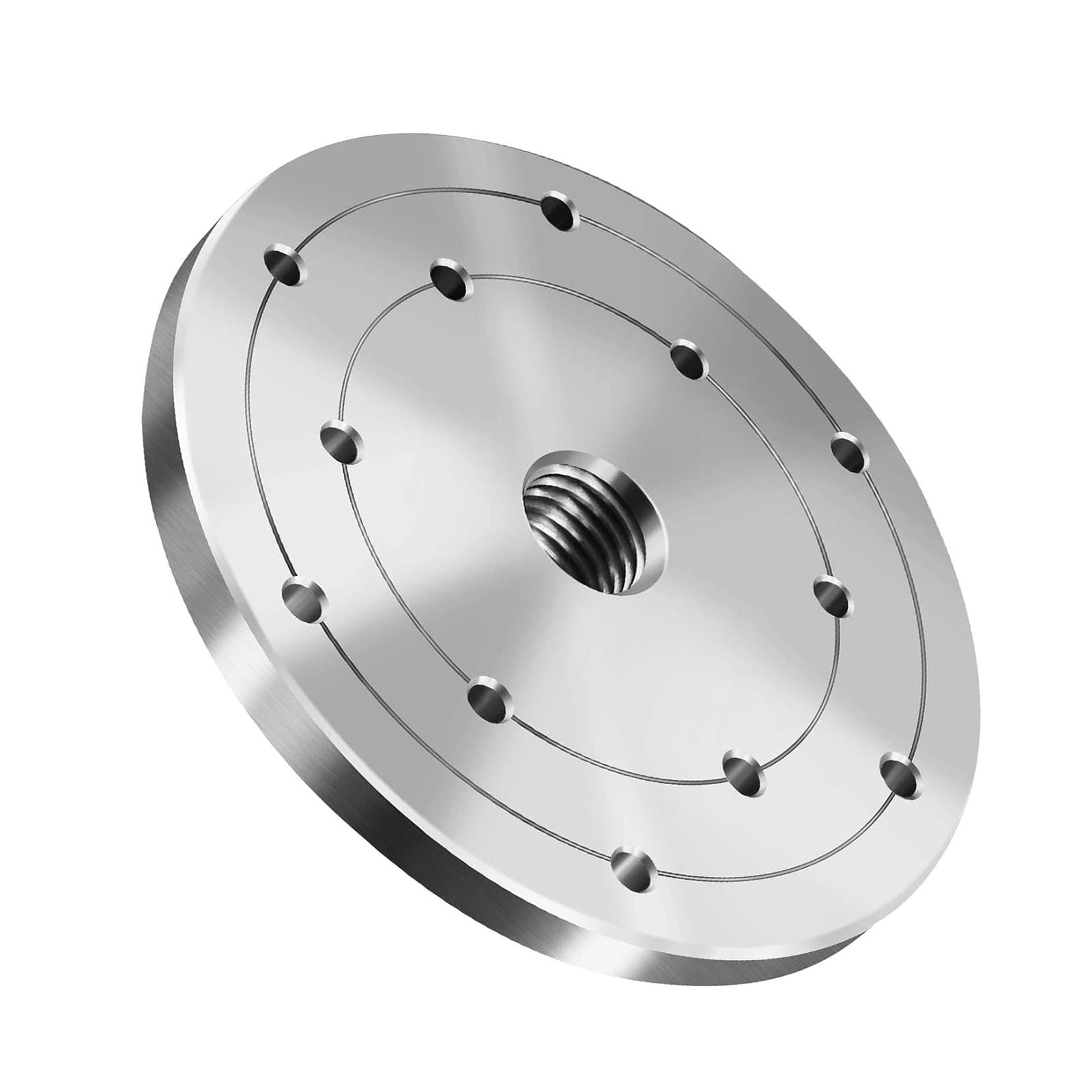
Imagine the faceplate as the steadfast steed of your woodturning journey. It’s the first tool most turners reach for when embarking on a bowl project, and for good reason. A faceplate is essentially a flat, circular metal plate that screws directly into the headstock of your lathe. It’s then bolted or screwed into the bottom of your bowl blank, creating a secure, immovable connection. This method is ideal for larger, heavier blanks where stability is paramount.
The beauty of the faceplate lies in its simplicity and strength. Unlike its more finicky cousin, the chuck, the faceplate doesn’t rely on delicate jaws or intricate mechanisms to grip your workpiece. Instead, it distributes the weight evenly across the entire surface of the blank, minimizing the risk of wobble or imbalance. This makes it the go-to choice for beginners and seasoned turners alike when tackling substantial projects like deep, wide bowls or vessels with thick walls.
But don’t be fooled by its rugged reliability. The faceplate isn’t without its quirks. Mounting a bowl blank with a faceplate requires careful planning. You’ll need to predrill holes in the blank to align with the faceplate’s mounting screws, a process that demands precision to avoid splitting the wood. Additionally, once the bowl is turned and hollowed, removing the faceplate can leave unsightly screw holes in the base that require filling and sanding—a small price to pay for the security it provides.
For turners who favor traditional methods or work with dense, heavy woods like maple or walnut, the faceplate is often the unsung hero of the workshop. It’s the tool that lets you focus on the artistry of turning without worrying about your workpiece taking an unplanned flight.
The Chuck: The Precision Playground for the Adventurous Turner
Now, let’s talk about the chuck—a tool that’s as much about finesse as it is about force. A chuck is a specialized clamping device that attaches to your lathe’s spindle and uses adjustable jaws to grip your workpiece. Unlike the faceplate, which relies on a rigid, permanent connection, the chuck offers versatility. You can swap out jaws to accommodate different blank sizes, and some chucks even allow for quick changes mid-project. This adaptability makes the chuck a favorite among turners who love experimenting with exotic shapes, thin-walled vessels, or intricate designs.
The chuck’s ability to secure irregularly shaped blanks or smaller pieces is unparalleled. Need to turn a delicate spindle or a tiny lidded box? The chuck’s jaws can gently cradle the workpiece without the need for predrilled holes or bulky hardware. It’s the tool of choice for turners who thrive on pushing boundaries, whether that means crafting a series of identical pepper mills or transforming a gnarled piece of burl into a sculptural masterpiece.
But with great adaptability comes great responsibility. The chuck demands a deft touch. If the jaws aren’t tightened evenly, your blank can wobble like a drunken top, leading to uneven cuts, tear-out, or worse—catastrophic ejection. The pressure points created by the jaws can also leave marks on your workpiece, requiring extra sanding or blending to achieve a flawless finish. And let’s not forget the learning curve. Mastering the chuck takes practice, especially when it comes to balancing the grip strength to avoid crushing delicate woods or leaving unsightly indentations.
For turners who love the thrill of the challenge, the chuck is a game-changer. It’s the tool that turns a simple bowl into a sculptural statement, a functional piece into a conversation starter. But it’s not for the faint of heart—it rewards patience, precision, and a willingness to embrace the occasional misstep.
When to Choose the Faceplate: Stability Over Finesse
So, when should you reach for the faceplate instead of the chuck? The answer lies in the nature of your project. If you’re turning a large, heavy bowl—think 12 inches or more in diameter—the faceplate is your best friend. Its ability to distribute weight evenly and provide a rock-solid connection is unmatched. The faceplate is also ideal for blanks with irregular shapes or knots, where the rigidity of the mounting method can compensate for the wood’s natural imperfections.
Another scenario where the faceplate shines is when you’re working with dense, hardwoods. Woods like ebony, lignum vitae, or even some exotics can be unforgiving if not secured properly. The faceplate’s robust grip reduces the risk of the blank shifting mid-turn, which could otherwise lead to a disastrous catch or a ruined piece. Additionally, if you’re planning to hollow out a deep bowl, the faceplate’s stability is crucial. The last thing you want is for your blank to vibrate or shift as you work, which could result in uneven walls or a compromised structure.
For turners who prioritize tradition or who prefer a no-nonsense approach to their craft, the faceplate is a reliable companion. It’s the tool that lets you focus on the wood, the grain, and the creative process without worrying about the hardware holding you back. It’s the steady hand in a world of spinning possibilities.
When to Opt for the Chuck: Versatility Meets Creativity
On the flip side, the chuck is the tool for turners who live on the edge of creativity. If you’re the type of woodworker who thrives on experimentation—whether that’s turning thin-walled vessels, crafting lidded boxes, or pushing the boundaries of form and function—the chuck is your ticket to innovation. Its ability to adapt to different blank sizes and shapes makes it the perfect companion for projects that demand flexibility.
Consider the turner who loves to create a series of identical pieces, like a set of nesting bowls or a collection of pepper mills. The chuck allows for quick and precise adjustments, ensuring each piece is uniform and well-balanced. It’s also the tool of choice for turners who work with smaller blanks, where the faceplate’s bulk might be overkill. Need to turn a delicate spindle or a tiny goblet? The chuck’s jaws can gently cradle the workpiece, providing the control you need without the risk of overpowering the wood.
The chuck also excels in scenarios where you need to reverse-mount your blank to finish the base. With a faceplate, you’d need to unscrew it and remount the bowl, a process that can be time-consuming and prone to errors. The chuck, on the other hand, allows you to flip the bowl and secure it with the same grip, saving time and reducing the risk of misalignment. This versatility is a game-changer for turners who prioritize efficiency without sacrificing quality.
For the adventurous woodworker, the chuck is more than just a tool—it’s an invitation to explore the limits of what’s possible. It’s the tool that turns a simple bowl into a sculptural statement, a functional piece into a conversation starter. But remember, with great adaptability comes great responsibility. The chuck demands precision, patience, and a willingness to embrace the occasional misstep. It’s not for the faint of heart, but for those who dare to push boundaries, it’s a gateway to endless creative possibilities.
Striking the Balance: Hybrid Approaches and Pro Tips
So, what’s a turner to do when the faceplate and chuck both have their merits? The answer might lie in a hybrid approach. Some turners use a faceplate as a secondary mounting method, especially when working with larger blanks that require initial stability. Once the roughing-out phase is complete, they switch to a chuck for finer details and finishing touches. This method combines the best of both worlds—stability during the heavy lifting and adaptability for the delicate work.
Another pro tip is to invest in a set of specialized jaws for your chuck. Many chucks come with a standard set of jaws, but swapping them out for soft jaws (often made of aluminum or plastic) can prevent marring on your workpiece. Soft jaws are also ideal for gripping irregularly shaped blanks or delicate woods, as they distribute pressure more evenly and reduce the risk of damage. Additionally, consider using a vacuum chuck for ultra-thin or fragile projects. A vacuum chuck uses suction to secure the blank, providing a gentle yet firm grip that’s perfect for delicate work.
Regardless of which method you choose, safety should always be your top priority. Always ensure your workpiece is securely mounted before starting the lathe. Double-check the alignment of your blank and the tightness of your mounting hardware. And never underestimate the importance of wearing proper safety gear, including goggles and a face shield, to protect against flying debris. Remember, the goal is to create, not to send your bowl on an unscheduled flight across the workshop.
The Grand Finale: Choosing Your Weapon of Choice
In the end, the choice between a faceplate and a chuck isn’t just about functionality—it’s about philosophy. The faceplate represents tradition, reliability, and the joy of working with your hands in a straightforward, no-nonsense way. The chuck embodies innovation, adaptability, and the thrill of pushing boundaries. Both tools have their place in the woodturner’s arsenal, and the best choice depends on the project at hand, your personal preferences, and your willingness to embrace the learning curve.
So, the next time you stand in your workshop, lathe humming like a contented dragon, take a moment to consider your mounting options. Will you opt for the steadfast reliability of the faceplate, or will you embrace the precision and versatility of the chuck? Whichever you choose, remember that the true magic of woodturning lies not just in the tools you use, but in the stories you create with them. And if your bowl does take flight? Well, at least it’ll make for a great story.


Leave a Comment