

Ever stood in front of a blank wall, a towering stack of art books, or a digital folder overflowing with images—and felt the paralyzing weight of possibility? What if you could transform that chaos into a gallery-worthy exhibit, one that tells a story as compelling as the pieces themselves? The Museum of Modern Art doesn’t just curate masterpieces; it curates experiences. So why can’t you? Let’s shatter the myth that curation is reserved for the elite. With a dash of audacity and a sprinkle of strategy, you can curate your own work like a MoMA curator—even if your “gallery” is your living room or a corner of your Instagram feed.
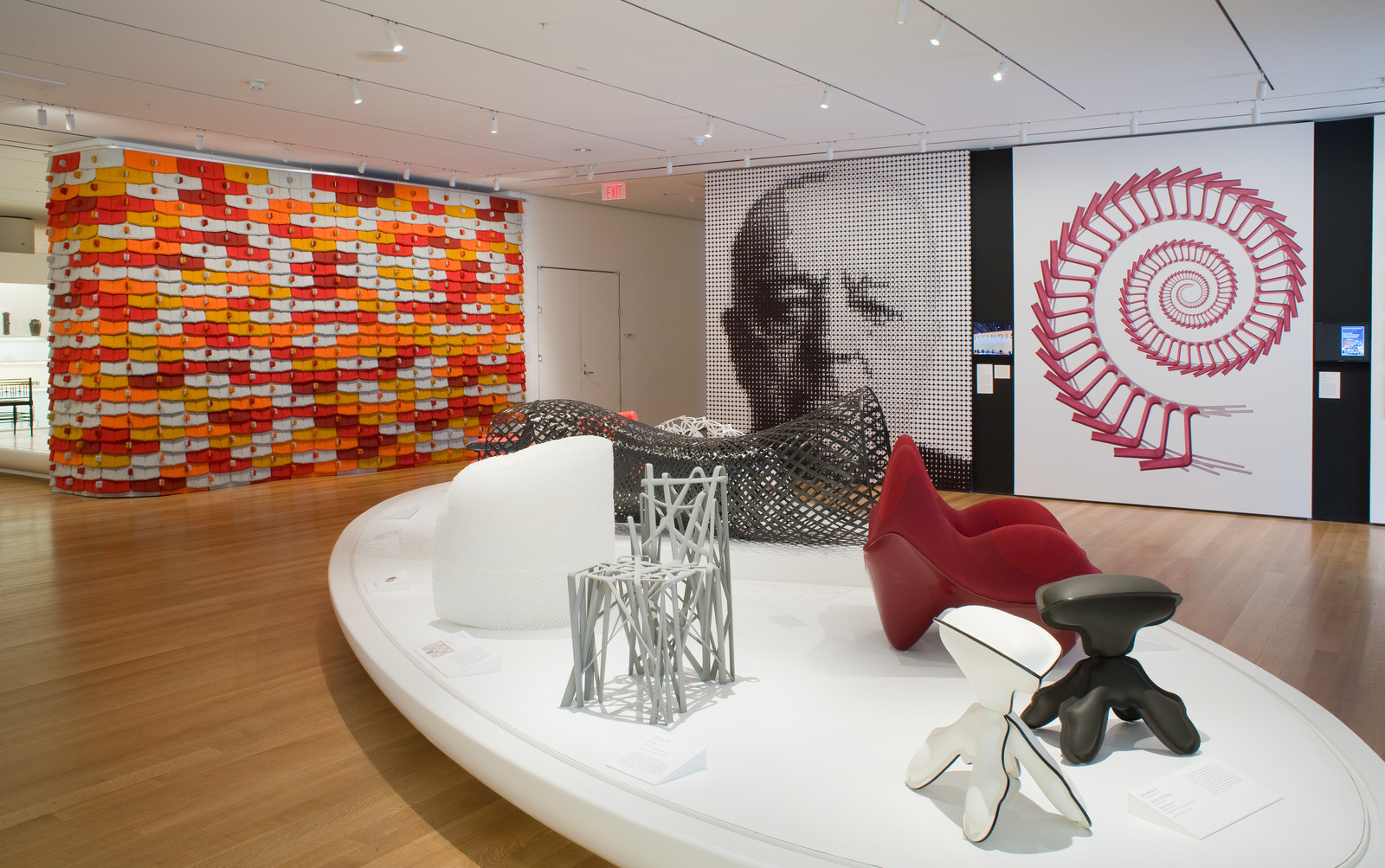
The Curator’s First Commandment: Start with a Provocation
Every great exhibition begins not with a theme, but with a question—something that prickles the mind and refuses to let go. Before you even touch a single artwork, ask yourself: What story do I want to tell? Not just “I love these paintings,” but why they belong together. Is it the way light fractures across a canvas? The shared emotional cadence of two sculptures? The quiet rebellion of a single, defiant photograph?
MoMA curators don’t just group objects by medium or era; they weave narratives that feel inevitable yet surprising. Think of your curation as a conversation between pieces. If one artwork is a whisper, what does the next one shout in response? This isn’t about chronology or geography—it’s about resonance. Start with a provocation: “What if these objects were in conversation with each other?” Let that question guide your selections, and suddenly, your living room isn’t just a space—it’s a stage.
The Art of the Juxtaposition: When Opposites Collide
Juxtaposition is the curator’s secret weapon. It’s the alchemy of placing a delicate watercolor next to a jagged metal sculpture, or a vintage poster beside a contemporary digital collage. The friction between them creates meaning where none existed before. But how do you do it without descending into chaos?
Begin by identifying the tension between pieces. Is it color? Texture? Emotion? A shared historical thread? For example, pairing a serene landscape with a chaotic abstract expressionist piece can create a dialogue about nature versus human intervention. The key is balance. Too much similarity, and the exhibit feels flat. Too much contrast, and it becomes a cacophony. Aim for harmony in disharmony—like a jazz improvisation where every note feels both unexpected and inevitable.

Scale and Space: The Unseen Choreography
Curation isn’t just about what you include—it’s about what you leave out, and where you place it. The physical arrangement of artworks is a silent language, speaking volumes before a visitor even reads a label. MoMA’s galleries are meticulously designed to guide the eye, to create pauses and accelerations in the viewer’s journey. You can do the same.
Start by mapping your space. Is it a long wall? A corner? A tabletop? Use the architecture to your advantage. A single, large piece at eye level can anchor a room, while smaller works clustered nearby create intimacy. Leave breathing room—negative space isn’t emptiness; it’s anticipation. And don’t forget the power of height. A piece hung too high feels distant; too low, and it loses its presence. Aim for the viewer’s eye level, with slight variations to keep the eye moving.
Consider the flow of movement. Will visitors circle the room or move in a straight line? Use the placement of pieces to direct their path. A bold, eye-catching artwork at the entrance can pull them forward, while a quieter piece at the end invites reflection. Think of it as a choreography of sight—each step designed to evoke emotion.
The Illusion of Coherence: Crafting a Unified Vision
Even the most eclectic collections can feel cohesive if they share a guiding principle. This is where your initial provocation becomes your compass. Whether it’s a color palette, a thematic thread, or a conceptual throughline, every piece should feel like it belongs—not because it’s similar, but because it serves the story.
For example, if your theme is “the passage of time,” you might pair a vintage clock with a contemporary photograph of a decaying building. The connection isn’t obvious, but the theme ties them together. Alternatively, a monochromatic palette can unify wildly different artworks, creating a visual rhythm that feels intentional.
Don’t be afraid to edit ruthlessly. If a piece doesn’t serve the narrative, it doesn’t belong—no matter how much you love it. This is where the curator’s tough love comes in. Every artwork should earn its place.
Lighting: The Invisible Sculptor
Lighting can transform a collection from flat to extraordinary. It’s the difference between a room that feels like a storage unit and one that feels like a temple. MoMA’s galleries use lighting to highlight textures, create drama, and guide the viewer’s gaze. You can replicate this magic at home.
Start with natural light if possible—it’s the most flattering. But supplement it with directed lighting. Use spotlights to emphasize key pieces, and softer, diffused light for areas meant for contemplation. Avoid harsh overhead lighting, which flattens textures and washes out colors. Instead, layer your lighting: ambient for overall illumination, task lighting for specific artworks, and accent lighting to create depth.
Consider the color temperature of your bulbs. Warm light (2700K-3000K) feels cozy and intimate, while cool light (4000K-5000K) feels crisp and modern. Choose based on the mood you want to evoke. And don’t forget shadows—they’re not the enemy; they’re the sculptors of drama.
The Power of the Label: Words as Curatorial Tools
A label isn’t just a description; it’s a narrative device. It can frame a piece, challenge a viewer’s perception, or provide context that deepens the experience. MoMA’s labels are concise yet evocative, inviting curiosity without over-explaining. You can do the same.
Start with the title of your exhibit—it’s the first sentence of your story. Make it intriguing. Instead of “My Art Collection,” try “Fragments of Light: A Dialogue Across Time.” Then, for each piece, write a label that connects it to the larger narrative. Don’t just state the obvious; hint at the unseen. What emotion does this piece evoke? What question does it raise? What does it say about the pieces around it?
Keep it brief—three to four sentences max. The goal isn’t to educate; it’s to provoke thought. And remember, labels aren’t just for walls. They can be digital, handwritten, or even spoken aloud if you’re hosting a live exhibit. The medium is your message.
From Concept to Reality: The Execution
Now comes the moment of truth: bringing your vision to life. This is where theory meets practice, and where many aspiring curators stumble. Start small. Test your arrangement in a single room or on a single wall. Move pieces around until the flow feels right. Take photos from different angles to see how the exhibit reads from a distance.
Don’t be afraid to iterate. If something isn’t working, change it. If a piece feels out of place, swap it out. This isn’t failure; it’s refinement. And remember, the best curators are also the best editors. Every decision should serve the story you’re trying to tell.
Once you’re satisfied, step back and experience it as a visitor would. Does the narrative hold together? Does the flow feel intuitive? Does it evoke the emotion you intended? If not, go back to the drawing board. Curation is a process, not a destination.

So, what’s stopping you? You don’t need a degree, a gallery, or even a collection of masterpieces to curate like a pro. All you need is curiosity, a willingness to experiment, and the courage to trust your instincts. Start with a question, let it guide your choices, and watch as your space transforms into something extraordinary. After all, the next great curator might just be you—standing in your living room, rearranging the world one artwork at a time.


Leave a Comment