

Exhibitions are the grand stages where ideas metamorphose into tangible connections, where handshakes seal deals that reverberate through industries for years. Yet beneath the polished veneer of booths and the symphony of networking lies a silent predator: the budget. It’s the unseen force that can turn a triumphant launch into a financial hemorrhage or elevate a modest presence into a resounding success. The difference often hinges on one overlooked tool: the exhibition budget template. This unassuming document isn’t just a ledger—it’s a financial compass, a risk mitigator, and a strategic ally rolled into one. Without it, even the most dazzling exhibition can spiral into a cautionary tale of overspending and regret.
Imagine stepping into a cavernous exhibition hall, your booth meticulously designed, your pitch rehearsed to perfection. You’ve invested in premium lighting, interactive displays, and a team of charismatic ambassadors. Yet, as the event unfolds, you notice something unsettling: the costs are multiplying like unchecked weeds. Shipping fees balloon. Stand construction exceeds estimates. The catering bill arrives with a surcharge you didn’t account for. By the final day, your once-confident smile is strained, your profit margins thinner than a business card. This scenario isn’t hypothetical—it’s the reality for countless exhibitors who underestimate the labyrinthine expenses lurking behind the glamour. The exhibition budget template isn’t just a spreadsheet; it’s your early-warning system, your financial guardian, the difference between a standing ovation and a standing in the red.
The Hidden Costs That Sneak Up Like Shadows
Exhibitions are deceptive in their complexity. What begins as a straightforward booth rental quickly unravels into a mosaic of micro-expenses, each capable of derailing your budget if left unchecked. Consider the freight charges for transporting your booth materials—often quoted as a flat rate but subject to surcharges for weight, dimensions, or last-minute changes. Then there’s the venue’s hidden tolls: electricity fees for powering your displays, Wi-Fi charges for seamless digital interactions, and even the cost of cleaning services that seem innocuous until the invoice arrives. These aren’t optional line items; they’re inevitabilities, yet they’re frequently omitted from initial budget drafts.
Another stealth expense lies in the intangibles. The overtime wages for your team working late to assemble the booth. The premium coffee runs to keep energy high during long days. The last-minute courier fees to replace a damaged brochure or a forgotten sample. These costs accumulate like grains of sand in an hourglass, each one slipping through the cracks of an incomplete budget. The exhibition budget template forces you to confront these realities upfront, transforming vague anxieties into concrete numbers. It’s not about stifling creativity or curbing ambition—it’s about ensuring your vision doesn’t collapse under the weight of unforeseen financial burdens.
Why Spreadsheets Are the Unsung Heroes of Exhibition Success
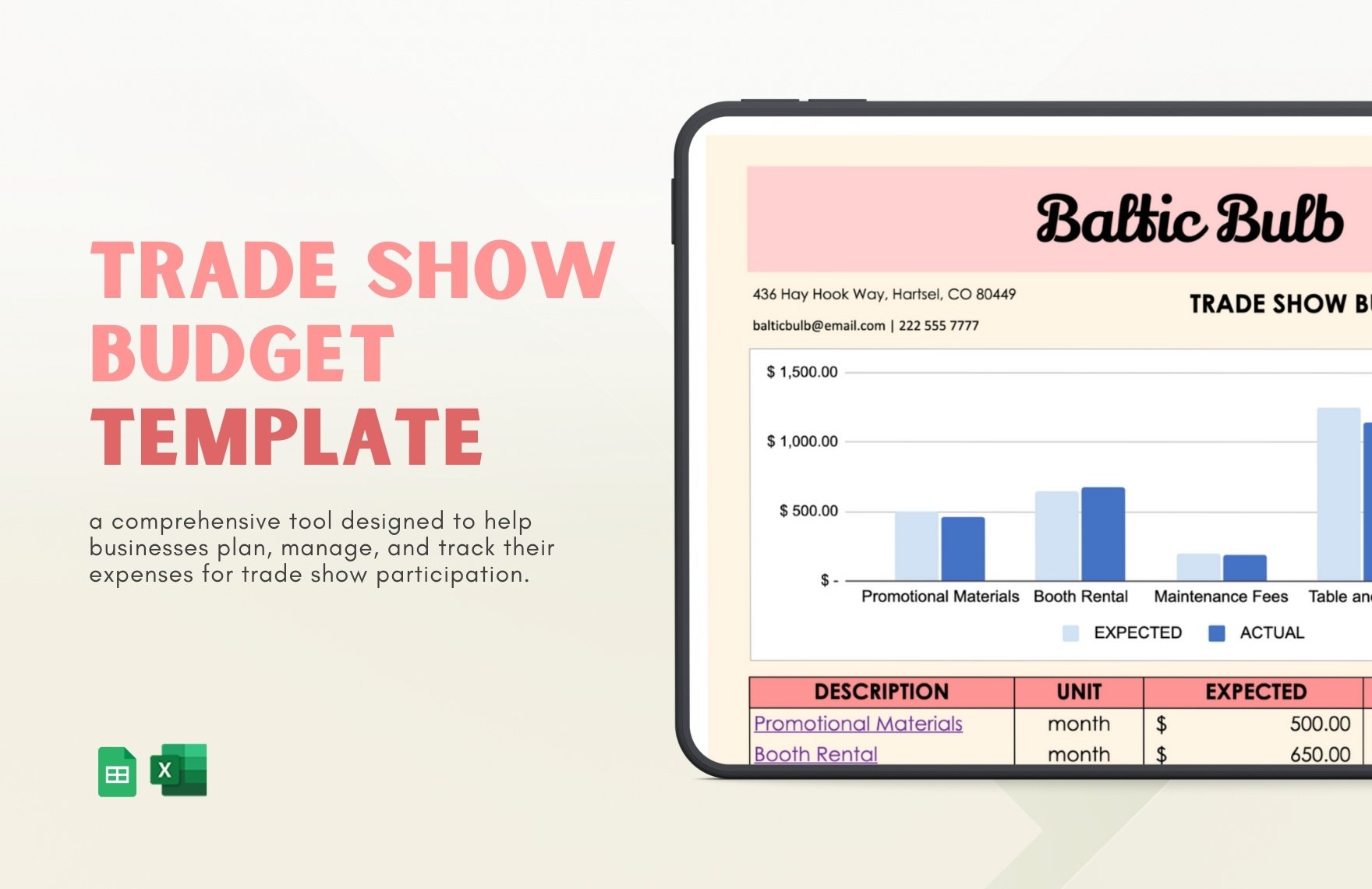
At first glance, a budget template might seem like a mundane tool—just rows and columns filled with numbers. But its true power lies in its ability to impose order on chaos. A well-structured template doesn’t just track expenses; it reveals patterns, highlights vulnerabilities, and empowers you to make informed decisions. For instance, by categorizing costs into fixed (booth rental, insurance) and variable (shipping, marketing materials), you can identify which expenses are non-negotiable and which are ripe for negotiation. This clarity is invaluable when negotiating with vendors or reallocating funds to higher-impact areas.
Moreover, a template transforms your budget from a static document into a dynamic tool. As the exhibition approaches, you can update it in real-time, adjusting for unexpected costs or seizing new opportunities. Need to upgrade your booth’s lighting mid-plan? The template will instantly show you how it impacts your overall budget, allowing you to pivot without panic. It’s the difference between flying blind and having a financial GPS guiding every decision. Without this tool, you’re left reacting to circumstances rather than shaping them—a recipe for stress and overspending.
The Psychology of Overspending: Why We Fool Ourselves
Beneath the surface of every blown budget lies a psychological minefield. Exhibitors often fall prey to the “halo effect,” where the excitement of the event clouds their judgment. A stunning booth design or a high-profile speaker can make us believe that success is inevitable, leading us to justify extravagant spending. We tell ourselves, “This is a once-in-a-lifetime opportunity—it’s worth the splurge.” Yet, this mindset ignores a fundamental truth: exhibitions are marathons, not sprints. The goal isn’t just to make a splash on day one; it’s to sustain momentum long after the lights dim.
Another psychological trap is the “sunk cost fallacy.” Once we’ve invested heavily in a booth or a marketing campaign, we’re reluctant to cut corners, even when it’s clear the budget is spiraling. We reason that reducing expenses now would undermine our earlier decisions, ignoring the fact that a smaller, well-executed presence is far more effective than a lavish one that leaves us financially crippled. The exhibition budget template acts as a psychological buffer, forcing us to confront these biases before they take root. It’s not about being stingy—it’s about being strategic, ensuring every dollar spent serves a clear purpose.
Negotiation Tactics: Turning the Budget Into a Lever
A budget isn’t just a record of what you’ve spent; it’s a negotiation tool waiting to be wielded. Vendors anticipate last-minute requests for discounts, and a well-prepared budget gives you the leverage to ask for them. For example, if your template shows that shipping costs are eating into your profits, you can approach freight companies with a clear breakdown of your needs, positioning yourself as a serious client rather than an impulsive buyer. Similarly, if your template reveals that catering expenses are higher than expected, you can negotiate bulk discounts or simplified menus to reduce costs without sacrificing quality.
The key is to enter negotiations armed with data. Vendors respect clients who understand their financial constraints and can articulate their needs precisely. A template doesn’t just help you track expenses—it transforms you into a savvy negotiator, capable of securing better rates and more favorable terms. This isn’t about haggling over pennies; it’s about ensuring your budget reflects the true value of your investment, not the inflated expectations of vendors.
The Ripple Effect: How a Solid Budget Amplifies Your Impact
A well-managed budget doesn’t just prevent financial disasters—it amplifies your exhibition’s impact. When you’re not constantly scrambling to cover unexpected costs, you can focus on what truly matters: engaging with attendees, refining your pitch, and building meaningful connections. A lean budget forces creativity, pushing you to maximize every interaction. Perhaps you’ll invest in a smaller, more interactive booth that sparks conversations rather than overwhelming visitors with sheer size. Or maybe you’ll allocate funds to pre-event marketing, ensuring your booth is packed from the moment the doors open.
Moreover, a disciplined budget enhances your reputation. Exhibitors who manage their finances transparently are often viewed as more professional and reliable by partners and attendees alike. This credibility can open doors to future collaborations, referrals, and even media opportunities. In an industry where trust is currency, a well-structured budget is an investment in your long-term success.
From Template to Triumph: Turning Numbers Into Narratives
The exhibition budget template is more than a financial document—it’s the backbone of your story. Every line item represents a choice, a trade-off, a moment where you decided what mattered most. Did you splurge on premium materials for your booth, knowing it would draw crowds but strain your budget? Or did you opt for a minimalist design, freeing up funds for a post-event follow-up campaign? These decisions shape not just your financial outcome but the narrative of your exhibition. A well-crafted budget ensures that narrative is one of intention, not regret.
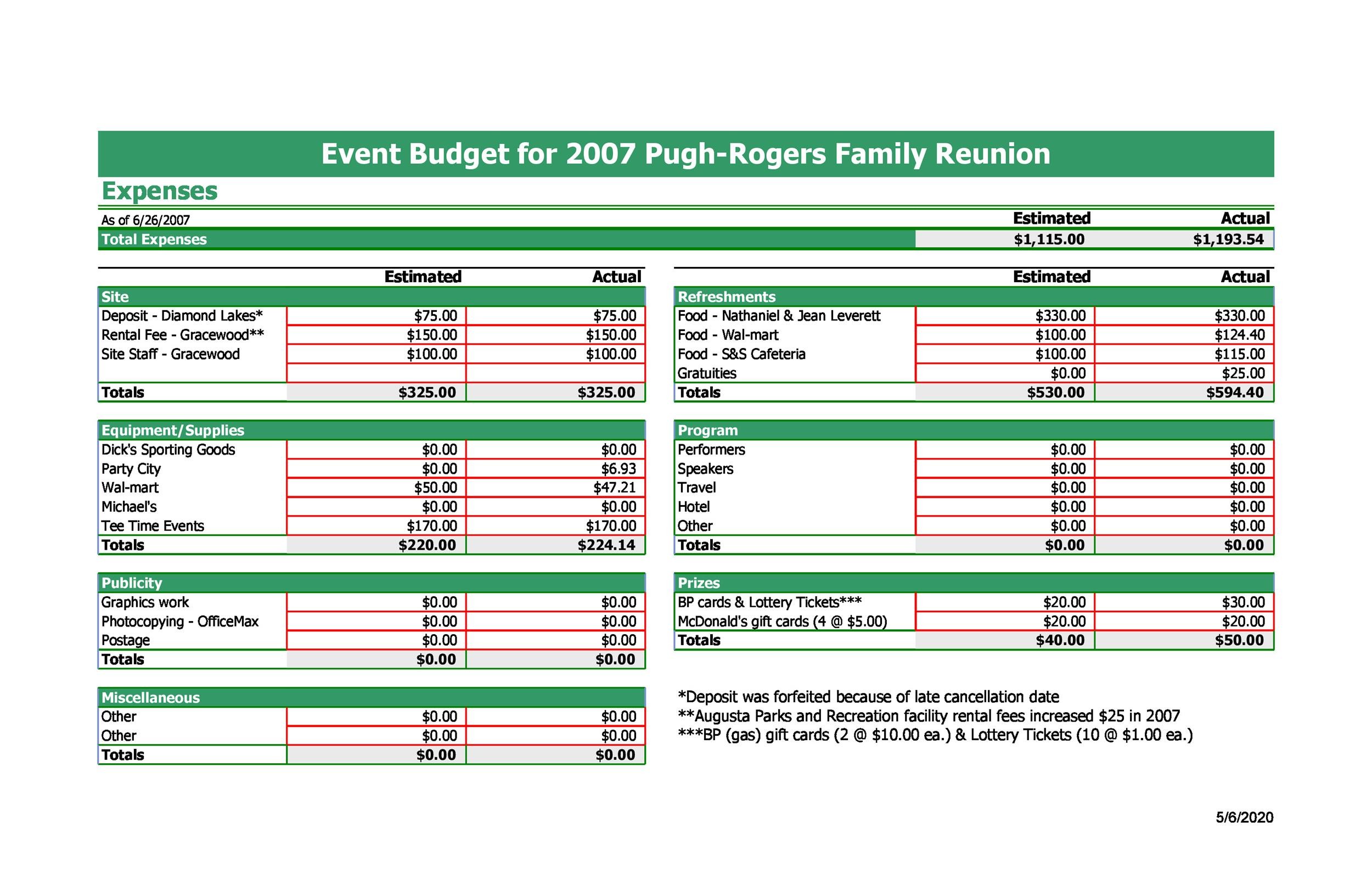
As the exhibition draws to a close, your template becomes a debriefing tool. By comparing projected costs with actual expenses, you gain insights into where your assumptions were accurate—and where they fell short. This post-mortem isn’t about assigning blame; it’s about refining your approach for next time. Perhaps you’ll discover that your shipping costs were higher than expected because you underestimated the weight of your materials. Or maybe you’ll realize that your marketing budget was underutilized, leaving potential leads untapped. These lessons are invaluable, turning each exhibition into a stepping stone toward greater efficiency and success.
The exhibition budget template is your silent partner in every step of the journey. It’s the voice that whispers, “Wait, are you sure about this?” when you’re tempted to overspend. It’s the hand that steadies yours when the costs start to climb. And it’s the legacy you leave behind, a testament to your ability to balance ambition with pragmatism. In a world where exhibitions are often judged by their spectacle, the most successful exhibitors are those who understand that true impact comes from mastering the mundane—like a budget template.
So the next time you step into an exhibition hall, remember: the difference between a triumph and a tragedy isn’t just in the design of your booth or the charisma of your team. It’s in the numbers you choose to prioritize. And with the right template, those numbers become more than just figures—they become the foundation of your success.


Leave a Comment