

In a world saturated by incessant noise and overwhelming visual excess, Venice 2026 emerges as a beacon of quiet rebellion—a compelling manifesto that challenges the very foundations of the spectacle economy. This forthcoming cultural landmark isn’t just another event; it is a deliberate, thoughtful rupture from the relentless frenzy of commodified spectacle that dominates global narratives. It dares to propose something radically different: the power and profundity of silence.
The Spectacle Economy: An Era Oversaturated
The spectacle economy, a term popularized by cultural critics and theorists alike, manifests when experiences are commodified and reduced to mere displays or performances. It thrives on the ephemeral yet flashy, where sensory overload is a currency, and attention is relentlessly captured by spectacles designed to dazzle and distract. In today’s digital age, this phenomenon proliferates swiftly—social media platforms thrive on viral content, advertisements scream for attention, and political arenas often devolve into theatrical contests rather than substantive dialogues.
This relentless pursuit of spectacle leaves little room for reflection, depth, or contemplation. It transforms culture into a carnival of distraction, eroding the nuanced conversations that underpin meaningful societal progress. Venice 2026 confronts this paradigm head-on.
Venice 2026: A Poignant Silence at the Heart of Cultural Discourse
Against the backdrop of this spectacle-saturated culture, Venice 2026 positions itself as an intermission—a deliberate pause inviting audiences to embrace silence, both literal and metaphorical. Silence here is not absence but presence; it is a space pregnant with possibility and introspection. Rather than shroud its message in cacophony, Venice 2026 harnesses the evocative power of quietude to foster deeper connection and understanding.
This event is curated as a sanctuary from the overstimulation that typifies modern engagements. It cultivates an environment where visitors are invited to slow down, to listen—to the subtle calls of their environment, their community, and their inner selves. In doing so, it promises a shift from audio-visual bombardment towards a more considered, participatory culture.
Rejecting the Spectacle: More than Mere Aesthetic Choice
Venice 2026’s repudiation of spectacle extends beyond aesthetics. It is a philosophical stance irreducible to mere decoration or style. This rejection is a clarion call to recalibrate societal values that have long prioritized visibility over substance. The event’s programmings—across performances, installations, and dialogues—eschew grandiose displays for intimate encounters and thoughtful provocations.
Such a posture encourages audiences to abandon passive consumption and instead embrace active engagement. It invites discussions laden with nuance and complexity, countering the prevailing superficiality that spectacle culture often perpetuates. This approach not only critiques spectacle but proposes an alternative mode of cultural interaction rooted in authenticity and reflection.
The Role of Architecture and Space in Expanding Silence
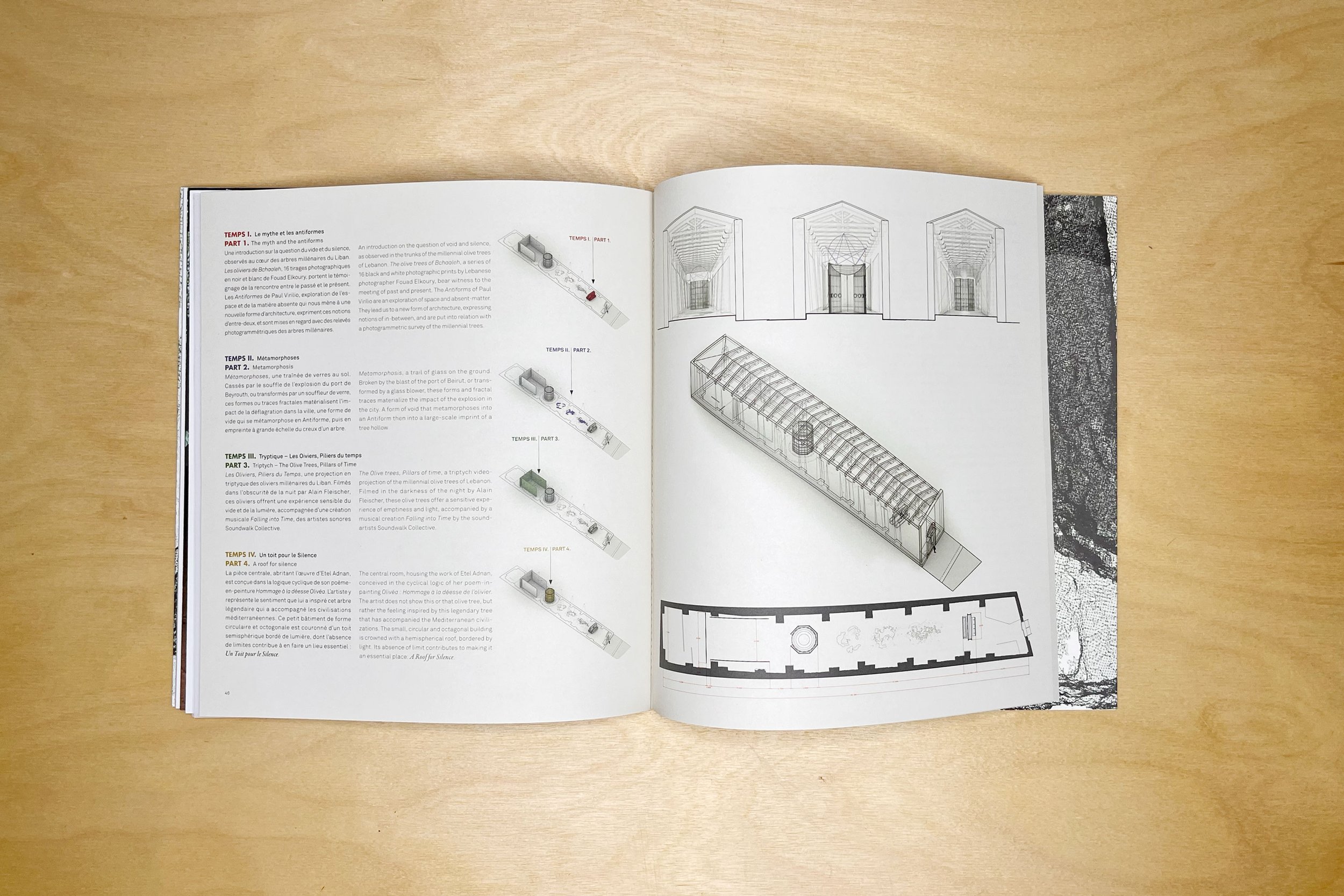
Integral to Venice 2026’s ethos is the interplay between space and sensory experience. Architectural interventions at the event are designed to harness and amplify silence, turning the city itself into a participant in this transformative discourse. Carefully calibrated spatial designs frame silence as a living, breathing entity—one that shapes perceptions and interactions.
Visitors traverse spaces that coax away the din of everyday life. These are environments where echoes of footsteps resonate, where the rustle of leaves becomes a symphony, and where the mere act of breathing is laden with awareness. By sculpting silence into an experiential dimension, Venice 2026 reframes how contemporary society might relate to its urban and natural habitats.
Envisioning a Post-Spectacle Future
Venice 2026 does not merely propose a temporary retreat from spectacle; it gestures toward a future society unshackled from spectacle’s seductive grip. Herein lies its radical promise: to seed cultural paradigms that value depth over display, attentiveness over distraction, and quiet understanding over blaring noise.
This vision challenges us to reconsider our relationship with media, politics, and daily interactions. It envisions a reawakening to the subtle, to the overlooked, and to the profoundly human. The implications ripple far beyond Venice’s canals; they touch the global conscience, calling forth a collective yearning for authenticity in an increasingly artificial world.
Curiosity Awakened: What Does Silence Reveal?
The most compelling question Venice 2026 poses is not rhetorical—it beckons exploration. What revelations dwell in the folds of silence? In rejecting spectacle, what new modes of creativity, empathy, and understanding might emerge? This event kindles curiosity by withholding conventional answers and instead inviting personal and communal discovery.
Silence, far from being inert, becomes a dynamic canvas. It provokes introspection and dialogue, encouraging spectators to become participants. In this fertile silence, the seeds of change are germinated quietly but with profound potential to transform cultural consciousness.
Conclusion: Embracing the Sound of Silence
As the frenzy of spectacle threatens to engulf all nuance, Venice 2026 shines as a luminous counterpoint. It is a bold declaration that silence is not an absence but a presence—a vital force capable of redefining how we engage with art, culture, and each other.
In awakening us to the sound of silence, Venice 2026 offers more than an event; it offers a paradigm shift. It invites a reimagining of modern life, urging us to embrace quietude as a potent elixir amidst chaos. This shift promises to enrich our collective experience, instilling a deeper appreciation for the subtle currents that shape human understanding and creativity.
Ultimately, Venice 2026 is not just about rejecting the spectacle economy—it’s about rediscovering the profound power that resides in stillness and reflection, promising an exquisite journey into the heart of cultural renewal.


Leave a Comment