

In the timeworn labyrinth of Venice’s art market, where the gondolas glide and history whispers from every cobblestone, a curious question emerges—can the melancholy strains of sad art find resonance amid the city’s vibrant clamor? Picture this: galleries bathed in chiaroscuro light, canvases that do not celebrate the usual jubilance but instead explore the depths of minor keys, like musical compositions that echo with sorrowful beauty. The notion challenges traditional expectations of art commerce and audience reception alike, promising a provocative shift in how we perceive the commercial viability of sadness as an aesthetic.
The Undercurrent of Minor Keys: Aesthetic Depth Beyond Joy
The market, much like music, tends to celebrate the major keys where optimism and brightness reign supreme. But it is within the subtle, emotive reverberations of minor keys that a profound narrative unfolds—one steeped in introspection, longing, and nuanced vulnerability. Sad art, much like a minor chord progression on the piano, invites viewers into a space of reflection that transcends superficial allure. It carves out a sanctuary where genuine human feelings are articulated not through exuberance but through solemn grace.
Consider how the minor chords in music evoke a sense of pathos, a bittersweet sentiment that intrigues rather than repels. Similarly, paintings or sculptures that channel this emotional palette stir a complex affective response, compelling audiences to confront facets of existence often neglected in lighter fare. This depth offers an alternative form of engagement—one that may very well resonate with audiences seeking authenticity amidst the often ostentatious art carnival of Venice.
Venice’s Unique Cultural Ecosystem: Fertile Ground for the Sad Sublime?
The Venetian art scene is a mosaic of tradition and innovation. Historically, the city has been a crucible for artistic experimentation, a hub where light mingles with shadow not only in painting techniques but also in thematic exploration. This environment may indeed be fertile soil for the introduction and eventual acceptance of sad art as marketable commodity.
The ephemeral nature of Venice’s allure, coupled with its own historic narratives of decline and transformation, resonates strangely well with themes of melancholy and loss. Visitors and collectors alike are drawn to the city’s atmospheric melancholy—a dimension that sad art naturally inhabits. This affinity suggests a potential convergence where the artistic and commercial embrace the minor key’s delicate sorrows in compelling ways. The question transforms: not if sadness can sell, but how and why it might catalyze fresh currents within Venice’s art market.
Emotional Economy: How Sadness Translates to Market Value
The nexus between emotion and commerce is complex, often contradictory. Yet, the emotional economy is a powerfully persuasive force in art buying behaviors. Sad art—far from being a commercial liability—might tap into emergent buyer psychologies that seek depth over decoration, narrative over novelty.
Several modern tendencies highlight this shift. There is an increasing appetite for art that reflects authentic experiences rather than superficial prettiness. In this context, works that evoke melancholia or sorrow do more than adorn; they connect on a visceral level, building intimacy and personal meaning. Such resonance can, paradoxically, enhance an artwork’s desirability and market stature.

This image illustrates how minor chord progressions, much like the emotional timbres evoked by sad art, create rich tonal landscapes. They form the musical equivalent of an artistic narrative steeped in melancholy, inviting a profound sensory and emotional engagement.
Curating Sadness: The Role of Contemporary Artists and Galleries
For sad art to assert its presence in a market traditionally oriented towards brighter themes, it requires bold curation and innovative exhibition strategies. Contemporary artists are increasingly embracing somber palettes and poignant subject matter, employing everything from figurative abstraction to haunting minimalism to elicit complex emotional dialogues.
Galleries that embrace this aesthetic risk positioning themselves at the vanguard of a potential paradigm shift. By carefully contextualizing sad art within exhibitions that educate and emotionally prepare audiences, they can cultivate a niche of discerning collectors and critics who seek emotional profundity over mere visual spectacle.
Lessons from the Wheel of Fifths and Minor Scales: Harmony in Dissonance
Much like the intricate balance between sharps and flats on the wheel of fifths, the art market must find harmony between disparate tonalities—joy and sorrow, light and darkness. Minor scales, in music, exist not to disrupt but to complement; they introduce complexity and richness. The art world, too, can benefit from embracing this duality.

The symbolic interplay of these scales mirrors how sadness within art injects sophistication, offering a fuller spectrum of human experience and emotional authenticity.
Emerging Audiences: A New Demographic for the Melancholic
The global art consumer base is shifting. Younger generations demonstrate a proclivity for narratives that confront existential realities and social anxieties. This burgeoning audience may be uniquely receptive to sad art, finding in it a mirror for their own complex realities. Their openness to vulnerability challenges the old paradigm wherein only upbeat or “safe” art sells vigorously.
Such demographic dynamics suggest that sad art may not merely find a passive space in the Venetian market but could energize it, creating lively dialogues around themes traditionally marginalized in commercial art galleries.
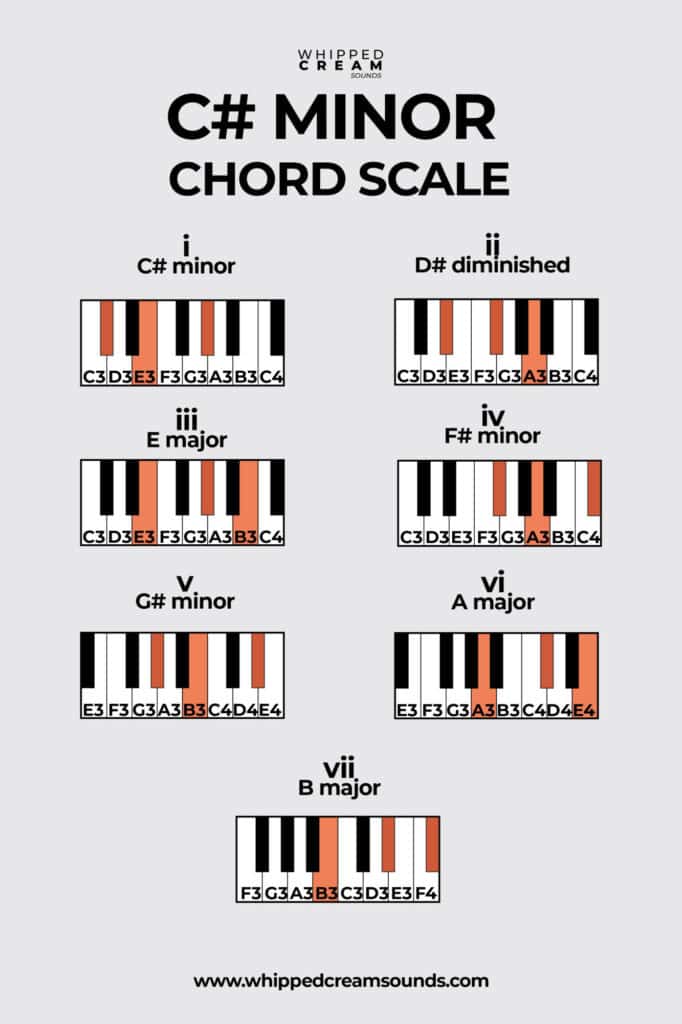
The evocative power of sad chord progressions echoes this generational mood—complex, introspective, and deeply felt. Art reflecting this sonic melancholy may well find a profound reception in Venice’s contemporary art marketplace.
Conclusion: The Minor Key’s Promise in Venice’s Artistic Symphony
Sad art’s entrance into Venice’s market feels like the gentle but persistent swelling of a minor chord, subtle yet unavoidable. It challenges the audience to listen more closely, to appreciate the other side of beauty—the vulnerability that sadness exposes. Rather than a passing novelty, it embodies a lasting shift toward embracing emotional complexity in art commerce.
As collectors and connoisseurs alike navigate this nuanced emotional terrain, the minor key’s promise unfolds: a richer, more authentic art market that harmonizes joy and sorrow. Venice, with its timeless melancholy and baroque splendor, may yet become the quintessential stage where sadness sells not in spite of, but because of its resonant truth.


Leave a Comment