

Stepping into a vibrant, sprawling Biennale can feel like plunging headfirst into a tumultuous sea of creativity, emotions, and sensory overload. The sheer scale and intensity can dazzle and overwhelm in equal measure. For those uninitiated, navigating this labyrinthine ecosystem may seem daunting — a grand spectacle where moments of awe collide with the unexpected urge to retreat and collect one’s breath in solitude. But what if the act of stepping away, of finding a quiet nook to hide and shed a few tears, holds its own profound artistry? Welcome to the nuanced realm of the Biennale survivor, where vulnerability becomes an emblem of strength and beauty.
The Emotional Tempest: Why Crying at a Biennale Isn’t Just Allowed, It’s Necessary
The Biennale is no ordinary festival. It’s a swirling crucible of human expression, where every installation, every note, every whispered performance probes deeply into our collective and individual psyches. Such intensity often unearths buried emotions, compelling attendees toward moments of catharsis. Tears, far from being signs of weakness, become eloquent expressions of connection — a baptism into the shared experience of art’s raw power.

In this arena, emotional vulnerability is an act of bravery. It reframes the narrative from passive viewing into immersive participation. When you allow yourself to feel openly, you engage with the unfolding narratives at a profoundly intimate level, transforming the spectacle into a personal journey. Instead of fleeing from emotional upheaval, embracing it invites a shift in perspective: tears become not just reactions but affirmations of the meaningful resonance art elicits.
Where to Hide: Finding Sacred Spaces Amidst the Frenzy
Knowing where to withdraw can seem like a clandestine art form itself. The right refuge offers more than just privacy — it fosters reflection, renewal, and the freedom to experience emotions unfiltered. Biennales often hide within their folds zones of quietude — unassuming alcoves, verdant gardens, or serene galleries resounding only with silence.
Look for these sanctuaries deliberately. For example, a secluded gallery showcasing intimate works or a hidden atrium bathed in natural light can become the perfect retreat. In these pockets of calm, the clamorous external world fades, leaving space for tears to flow and thoughts to crystallize. The very act of finding and claiming such a space rewires one’s engagement with the event, turning chaos into contemplative calm.
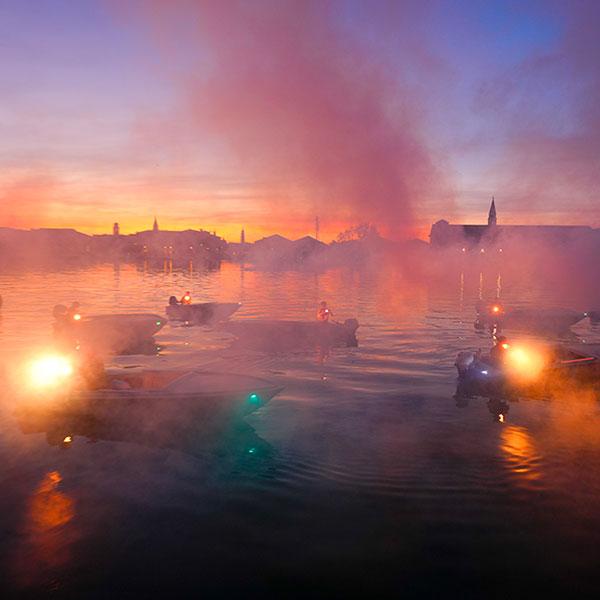
Embrace these respites not as escapes but as vital waypoints. The emotional respite gained revitalizes the mind, equipping you to re-enter the vibrancy of exhibitions with renewed openness.
The Art of Crying Beautifully: Embracing Vulnerability as a Form of Expression
In a world too often dictated by stoicism and restraint, crying at a Biennale can be a radical act. It’s a counterpoint to the polished facades of social media and curated appearances. To cry beautifully is to accept the full spectrum of human experience without apology — to surrender to the transient but transformative flood of emotion that art kindles within.
Interestingly, modern cultural dialogues are beginning to appreciate this emotional authenticity. Men, for example, are re-learning to express feelings once deemed taboo — as evidenced powerfully in creative, heartfelt explorations shared on platforms like LinkedIn, revealing the universal nature of emotional catharsis. This evolution underlines the fact that tears are not confined by gender or culture; they are a universal vernacular of the soul. The Biennale becomes a stage where these unspoken languages translate effortlessly, giving voice to what words can seldom capture.

By consciously welcoming tears, visitors become co-creators in the immediacy of the Biennale’s emotional landscape, enriching both personal and communal encounters with art.
Making Waves: Unexpected Spaces to Experience and Express at the Biennale
While official spaces may offer refuge, many of the Biennale’s most memorable moments arise in unconventional, even surprising environments. Think of community-driven installations that celebrate inclusivity and shared histories, or outdoor spaces where the collision of natural light and art creates ephemeral beauty. Engaging with these places encourages a dynamic rhythm of exploration and introspection.
For instance, one might wander into the Fremantle Biennale’s distinctive precincts, where art breaks free from traditional frames and flows into streets, warehouses, and public arenas. It’s here that the tension between private emotion and public display plays out most vividly. Finding a quiet corner within this energy allows for a delicate balance: a chance to process the overwhelming, often joyful confusion while still participating in the collective pulse.

These waves of experience are not accidental; they invite you to redefine how one witnesses and reacts to art — not as mere observer, but as a living, breathing participant in an ever-shifting tableau.
Conclusion: Transforming Your Experience Through Emotional Honesty
Surviving the Biennale is not about merely making it through myriad exhibits intact; it’s an invitation to lean into the emotional volatility that such an event uniquely provokes. To find where to hide and cry beautifully is to acknowledge that art, at its purest, unsettles and heals simultaneously.
This survival guide does more than suggest practical havens; it reimagines the journey as a pilgrimage toward authenticity, where tears are treasured milestones along the path of discovery. Each quiet moment of release enriches your engagement, allowing the Biennale’s vast tapestries of color, sound, and emotion to resonate more deeply. In this way, the Biennale transforms from a daunting spectacle into a profound arena for personal evolution — one where courage is measured not by stoic endurance but by the grace of vulnerability embraced.


Leave a Comment