

In an era dominated by digital innovation and artificial intelligence, where pixels often reign supreme, the tactile charm of the palette knife and the impasto technique is experiencing an unexpected renaissance. The interplay between texture, form, and the human hand’s erratic, expressive touch is captivating artists and art enthusiasts alike. It is as if the digital world, with all its precision and perfection, has rekindled a longing for raw, physical artistry that defies the smooth surface of a screen. To understand why the palette knife is making its triumphant return involves delving into both the surface and the richly layered undercurrents of our contemporary creative psyche.
The Tangibility of Texture in a Digital Age
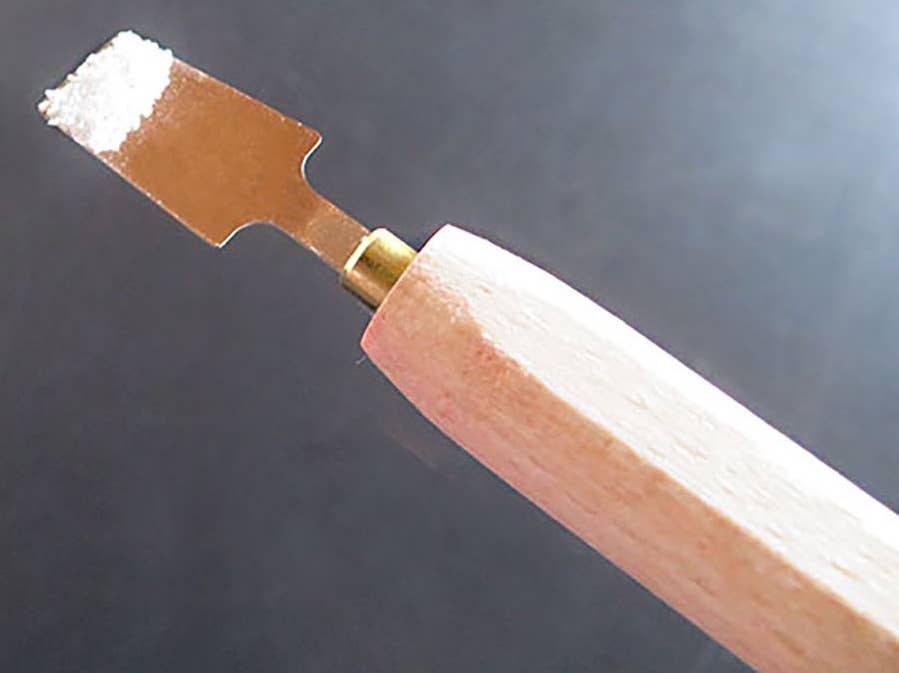
At first glance, the appeal of impasto—the thick, almost sculptural application of paint—might simply seem like a yearning for a tactile experience in an increasingly intangible world. It is a visible rebellion against the sterile cleanness of digital art. The palette knife, a deceptively simple tool, creates dramatic swaths of color that leap from the surface, inviting touch, stirring sensory wonder and emotional resonance. Unlike the seamless gradients possible in digital media, impasto demands confrontation with the medium itself. Each ridge and groove is a testimony to volition, spontaneity, and corporeal engagement.
Artists wielding the palette knife craft paintings characterized by a vivid, raw immediacy—a textural terrain that rewards closer inspection. This resurgence signals a deeper cultural impulse: intricate imperfections and bold brushwork defy the increasingly ubiquitous slickness and predictability of machine-generated imagery.
Impasto as a Narrative Language
Beyond its sensory allure, impasto serves as a powerful narrative device. It dramatizes the tension and aspiration inherent in the act of creation. Each sweep of the knife is imbued with intention and improvisation. Unlike the pixel-perfect and often sterile digital renditions, every textured strike is a deliberate articulation of the artist’s presence and emotional state.
The technique’s layers of paint become metaphors for depth—both physical and psychological. They evoke tempestuous skies, rugged landscapes, or the subtle gradations of human emotion. The palette knife can carve out shapes and stories with a primal force that resonates analogously with the current cultural climate: complex, multifaceted, and unapologetically human.
The Dance Between AI and Traditional Craft
Ironically, the AI era itself has contributed to this resurgence. Artificial intelligence, through its capability to generate hyperrealistic and fantastical images, has paradoxically highlighted the uniqueness of human imperfection. AI-generated artworks often seem polished, perfected, and eerily flawless—qualities that, while impressive, lack a certain soulfulness.
This technological brilliance has magnified the appreciation for artisanal techniques like impasto. It manifests a countercurrent to automation: the irreplaceable unpredictability of a human hand, especially one manipulating a palette knife to sculpt vivid expressions from paint like a modern-day alchemist.

The Palette Knife as a Symbol of Artistic Rebellion
The palette knife has become more than a mere tool; it embodies a philosophy of artistic rebellion. It refuses the easel as merely a flat screen for flawless renderings. Instead, it dares to embolden the canvas with three-dimensional life. In this way, the impasto technique disrupts the visual narrative, inviting the observer to question and engage rather than passively consume.
This insurgent spirit resonates well with a generation grappling with issues of authenticity, originality, and the tension between tradition and progress. The rough-hewn peaks and valleys of impasto encapsulate a tactile defiance that challenges the dominance of digital imagery.
Embracing the Unpredictable: The Joy of Serendipity
The palette knife is a conduit for unpredictability—a quality sorely missing in algorithmic art. Each application of paint might yield unplanned effects: unexpected textures, layered pigments, and complex reflections of light. This serendipity is both a thrill and a risk and is emblematic of the human condition itself—unfolding in delightful and sometimes unpredictable ways.
Artists employing the palette knife embrace these nuances and celebrate accidents as serendipitous breakthroughs rather than mistakes. With AI, precision reigns; with palette knives, chaos and control dance hand in hand.

The Revival of Skill and Craftsmanship
As digital tools democratize creativity, making art creation more accessible yet more uniform, there is a revived longing for specialties that require refined technique and manual dexterity. The palette knife demands mastery, and the thick impasto layers reveal nothing less than the artist’s intimate dialogue with the canvas.
This revival is part educational, cultural, and philosophical—celebrating the mastery of hand over machine, the beauty of flawed textures, and the emotional resonance of physical materials. The artist’s hand witnesses the paint’s viscosity, temperature, and rhythm, yielding works that breathe life far beyond digital or print reproduction.
Conclusion: The Impasto Renaissance as a Cultural Mirror
The tantalizing tactile streak of impasto and its herald—the palette knife—signifies more than a nostalgic throwback or aesthetic trend. It is, in many ways, a cultural mirror reflecting the contemporary tension between the digital and the human, the perfect and the imperfect, the automated and the artisanal.
As AI continues to evolve and democratize image creation, the allure of physical texture and the unpredictability of impasto offer artists and viewers alike a refuge of authenticity and expression. The palette knife’s triumphant return heralds an exciting fusion: the coexistence of cutting-edge technology with the primal, tactile soul of traditional art. This enduring dialogue promises to redefine creativity, enriching the visual landscape with depth, texture, and humanity’s unmistakable fingerprint.


Leave a Comment