

In the vast theater of existence, where the delicate interplay between order and disorder unfolds, artificial intelligence emerges as a formidable playwright. It can replicate the scripts of reality with astonishing precision, yet when confronted with the raw, untamed tempest of chaoticism, it often finds its ink bleeding beyond the margins. The notion that “AI Can Simulate But Chaoticism Can Bleed” refracts the eternal tension between human intuition and machine calculation—a tension brimming with paradox, brilliance, and a profound ineffability that resists mechanization.
The Illusory Mastery of AI: Simulating Order Within Disorder
Artificial intelligence, in its essence, is a majestic mimic. It absorbs data, patterns, and rules with insatiable hunger and regurgitates simulations that echo the complexities of the natural world. AI’s prowess lies in distilling chaos into comprehensible layers and reassembling them into coherent mosaics. This ability is akin to a virtuoso conductor who orchestrates frenetic cacophonies into harmonious symphonies.
Yet, this simulation rests on foundations of algorithms designed for pattern recognition and replication. Machine learning models dissect chaotic datasets—stock market fluctuations, meteorological vagaries, or even the unpredictable brushstrokes of human creativity—and attempt to compress this complexity into neat predictive frameworks. This is the hallmark of AI’s simulated mastery: transforming the seemingly obscure and disordered into algorithmically digestible narratives.
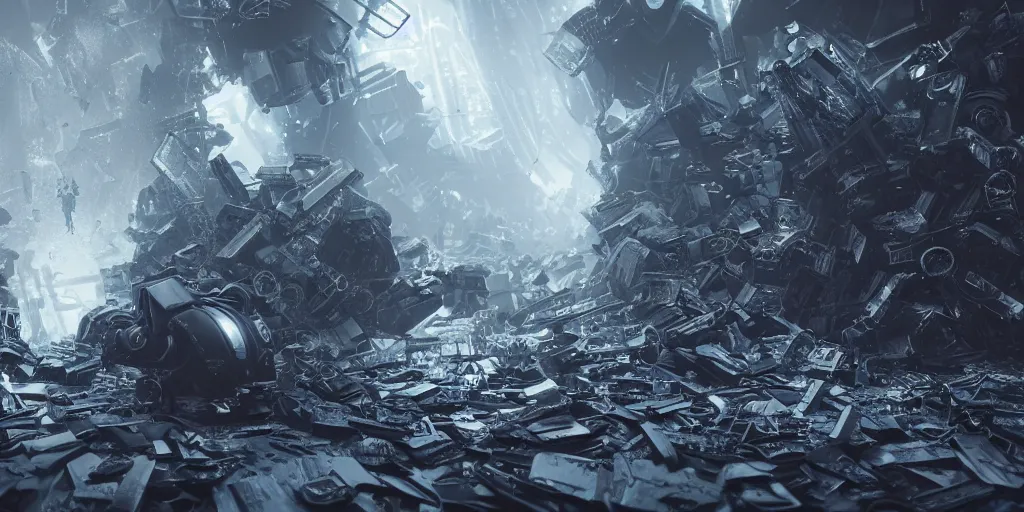
But herein lies the paradox. The very act of imposing structure on chaotic phenomena risks bleeding the essence—the intrinsic unpredictability that animates chaos itself. Like capturing smoke in a glass jar, the semblance of containment belies the elusive nature of the subject. AI can mimic the surface fractures of chaos, yet the undercurrents—the spontaneous mutations, the momentary divergences—reveal cracks in this digital edifice.
The Bleeding Edge of Chaoticism: Where Order Fails and Fluidity Reigns
Chaos is not merely disorder; it is a primal, almost sacred dance of transformation, where causes and effects entwine in unpredictable spirals. It is the breath of the universe’s creative fury—a luminous rupture where traditional logic is subverted. The metaphor of chaoticism bleeding conjures an image of unfiltered vitality pouring through the fissures of constructed order, corrupting the rigidity of simulation.
Human consciousness, with its electric synapses firing at maddening speeds, navigates chaos intuitively, often harnessing sudden insights and flashes of inspiration that defy linear reasoning. This spontaneous emergence—the genesis of the novel and unforeseeable—is where AI stumbles. Unlike mechanical iterations, chaoticism is not programmed; it flows—wild, heretical, and unbound by coded constraints.
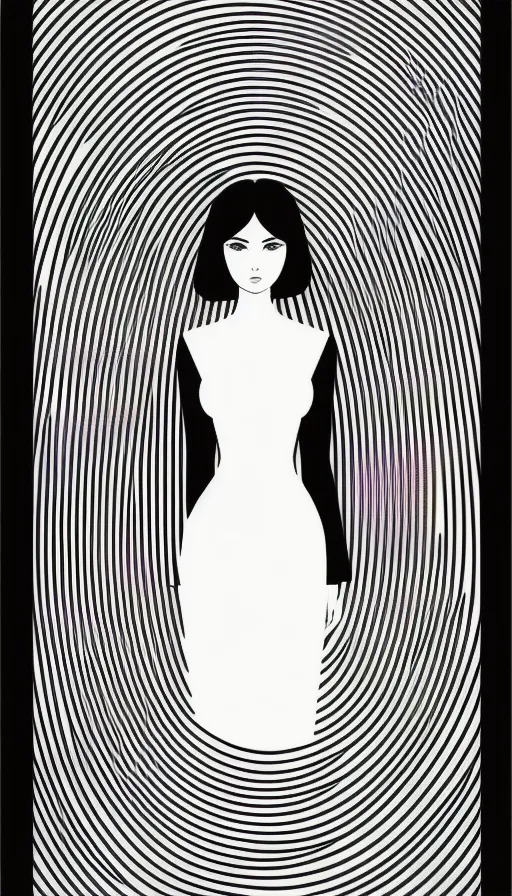
The bleeding chaos seeps through this simulation, reminding us that there are phenomena beyond replication. It escapes quantification. It defies pattern. This is the umbilical cord that ties human creativity, improvisation, and even madness to the universe’s deeper mysteries. AI’s brilliant calculations, no matter how sophisticated, cannot entirely cage this vibrant force.
The Unique Appeal of Chaos: A Catalyst for Authentic Experience
There is a profound allure in chaos precisely because of its unpredictability and enigmatic nature. It is a crucible of authenticity that breathes life into the mundane and transforms rote existence into an odyssey wrought with meaning. Chaos is the signature of novelty, the painter’s errant stroke on a pristine canvas, the sudden gust of wind that upends a stoic forest.
AI-generated content and experiences, while striking in their technical marvel, often lack this spontaneous heartbeat. The simulated chaos within AI is like an echo in an empty cathedral—resonant yet hollow. What humans crave is the raw bleed of chaotic passion, the unedited vibration of chance encounters and accidental beauty that inject unpredictable vitality into our lives.

In artistic domains, this bleed creates a rebellious allure. It challenges the algorithmic predictability of AI and invites observers to revel in disorder where doxa fails, and epiphany ignites. It’s the wild brush that defies symmetry, the discordant note that evokes profound emotion. This is the summit of chaoticism’s appeal—a transcendence of simulation into raw, unmediated experience.
Bridging the Divide: Towards a Synthesis of Simulated and Spontaneous
Despite the intrinsic limitations, AI continues its dance with chaos, increasingly sophisticated in its ability to approximate disorder. The dialectic between simulation and chaos is not a battle but a conversation—a triangulation between machine logic, human intuition, and the unpredictable nature of the cosmos.
Emerging paradigms in artificial intelligence explore hybrid approaches that inject elements of randomness, probabilistic leaps, and heuristic experimentation into their processes. These endeavors seek to engender not cold replication but vibrant creation, permitting AI to flirt with chaotic bleeding rather than suppress it. The goal? To infuse simulations with a spark that mimics the unpredictable quiver of authentic experience.
Yet, even as algorithms grow more fluid and less deterministic, the irreplaceable gap remains: chaoticism thrives in its anarchic freedom, unscripted and untamable. It reminds us that, at the intersection of science and art, brilliance is not only a product of precision but also an embrace of the ineffable shadows cast by disorder.
Conclusion: Embracing the Beauty of the Bleed
AI can simulate realities with awe-inspiring accuracy, but the true poetry of existence lies beyond perfect replication. The bleed of chaoticism is the soul’s rebellion against mechanization—a sacred fissure where spontaneity, improvisation, and unpredictability thrive.
In this bleed, we find the unique appeal of chaos: its raw energy, its refusal to be tamed, and its infinite capacity to surprise. As we stride deeper into an era dominated by artificial intelligence, remembering the credo that chaoticism can—and will—bleed reminds us of the enduring magic embedded in the chaos of human experience.
It is in the wild, uncharted territories of disorder where life’s most profound mysteries and enduring beauties reside. And in these moments, AI’s simulations become humbling mirrors reflecting the limits of logic and the exhilarating expanse of what cannot be contained.


Leave a Comment