

What if chaos isn’t the enemy of meaning but its greatest ally? Could the very disorder that abstracts reality also be the key to resurrecting the vibrancy of Abstract Expressionism? In a world saturated with countless artistic movements and a continuous stream of visual stimuli, the question arises: how can Abstract Expressionism reclaim its status as a relevant, pulsating force in contemporary art? Enter “Chaoticism”—a provocative, playful challenge and a compelling proposition that might just bridge the seemingly insurmountable gap between historical grandeur and modern resonance.
The Essence of Abstract Expressionism: A Brief Recollection
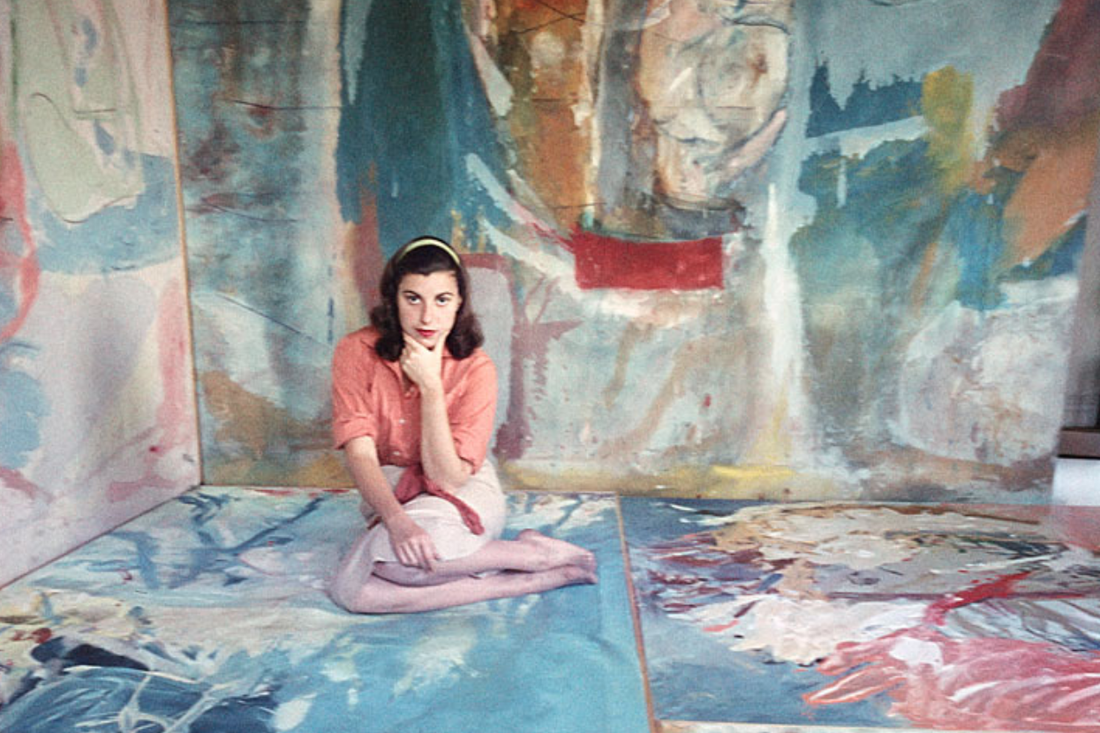
To embark on a journey toward making Abstract Expressionism relevant again, it’s crucial to revisit its quintessential spirit. Emerging in mid-20th century America, this movement was marked by unrestrained emotional intensity and a canvass teeming with gestural dynamism. Artists like Jackson Pollock distilled chaos into visual poetry, tossing paint with abandon yet creating compelling harmony amidst disorder. But is this spirit merely a relic, or does it harbor latent potential waiting to be unleashed anew?
Chaoticism: Reimagining Disorder as Artistic Innovation
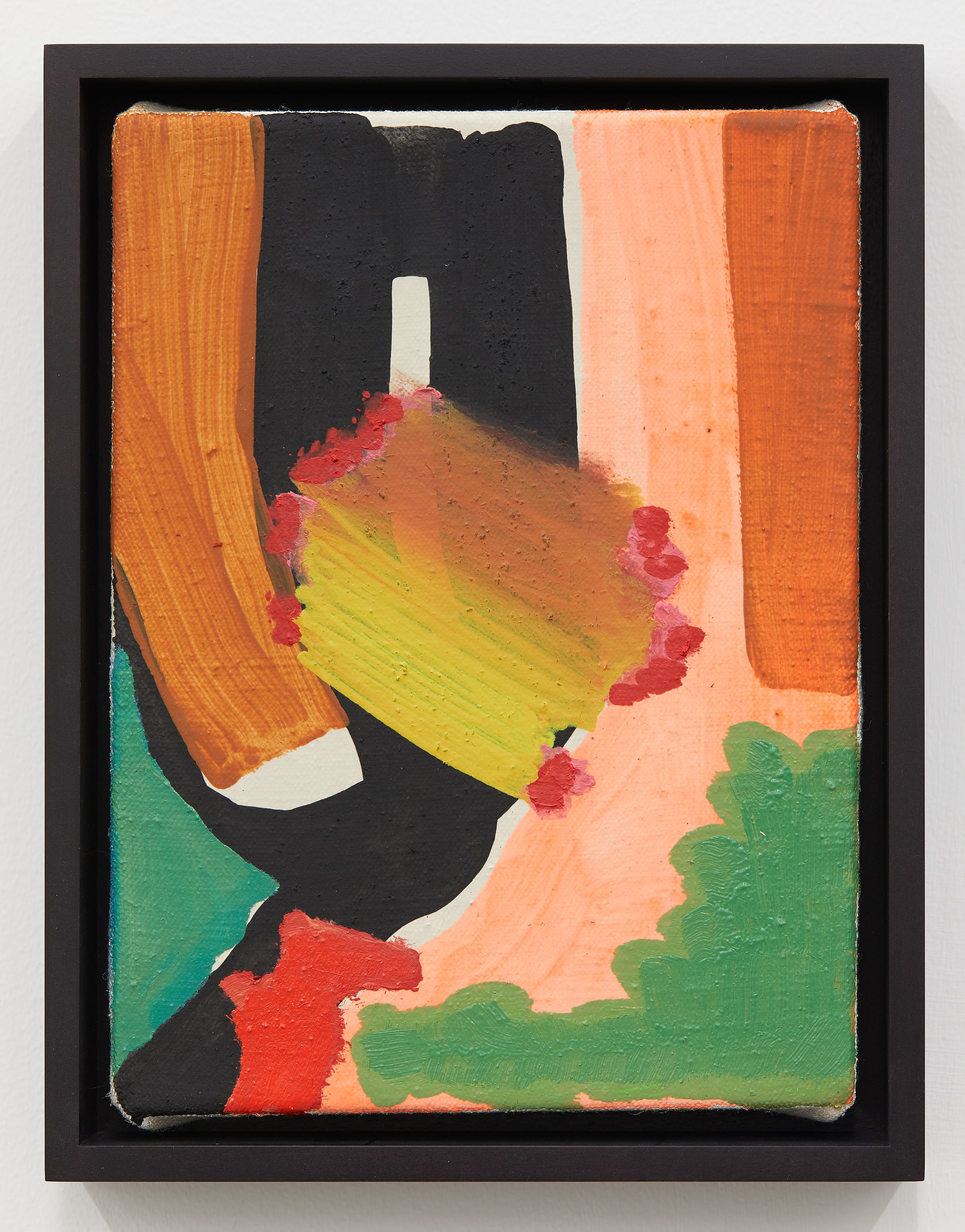
What if instead of instinctively recoiling from chaos in art, we welcomed it as innovation’s seedbed? Chaoticism champions not only the myriad irregularities but revels in them as a new conduit for expressive depth. Unlike traditional Abstract Expressionism’s sometimes rigid adherence to large gestures or color fields, Chaoticism is a manifesto of metamorphosis—where unpredictable brushstrokes collide with unexpected mediums, rupturing the artist’s habitual boundaries.
Think of it as a vibrant dance of entropy, where spontaneity twines with intentionality, crafting works that embrace the messy complexities of human experience. This is art not as a finished statement, but a living, breathing conversation with chaos itself.
The Playful Question: Can Modern Audiences Embrace the Wild Within?
Does contemporary viewer sensibility crave the catharsis found in chaotic abstraction, or does it yearn instead for easily digestible visuals? Today’s art enthusiasts often gravitate toward sleek minimalism or photorealism, but perhaps this very penchant for clarity signals an unfulfilled hunger. Chaoticism challenges us to reconsider: might the frenetic energy and raw humanity embedded in disorderly abstraction speak more truthfully to today’s fragmented world than polished surfaces?
Chaos as a Mirror: Reflecting the Zeitgeist of a Fragmented Era
Our era is saturated with contradictions—information overload mixed with selective attention, hyperconnectivity alongside profound isolation. Chaoticism capitalizes on this tension by harnessing art’s ability to morph confusion into clarity, disarray into dialogue. Abstract Expressionism, through the lens of chaotic reinterpretation, mirrors societal fracturing and the dizzying pace of modern existence, making it more accessible and resonant.
It’s a visual metaphor for the human psyche navigating turbulence, emphasizing process over product. Here, the art does not demand passive consumption; it beckons immersive engagement with layers that shift and evolve depending on the viewer’s own chaotic context.
Innovative Techniques: Marrying Tradition with Experimental Mediums
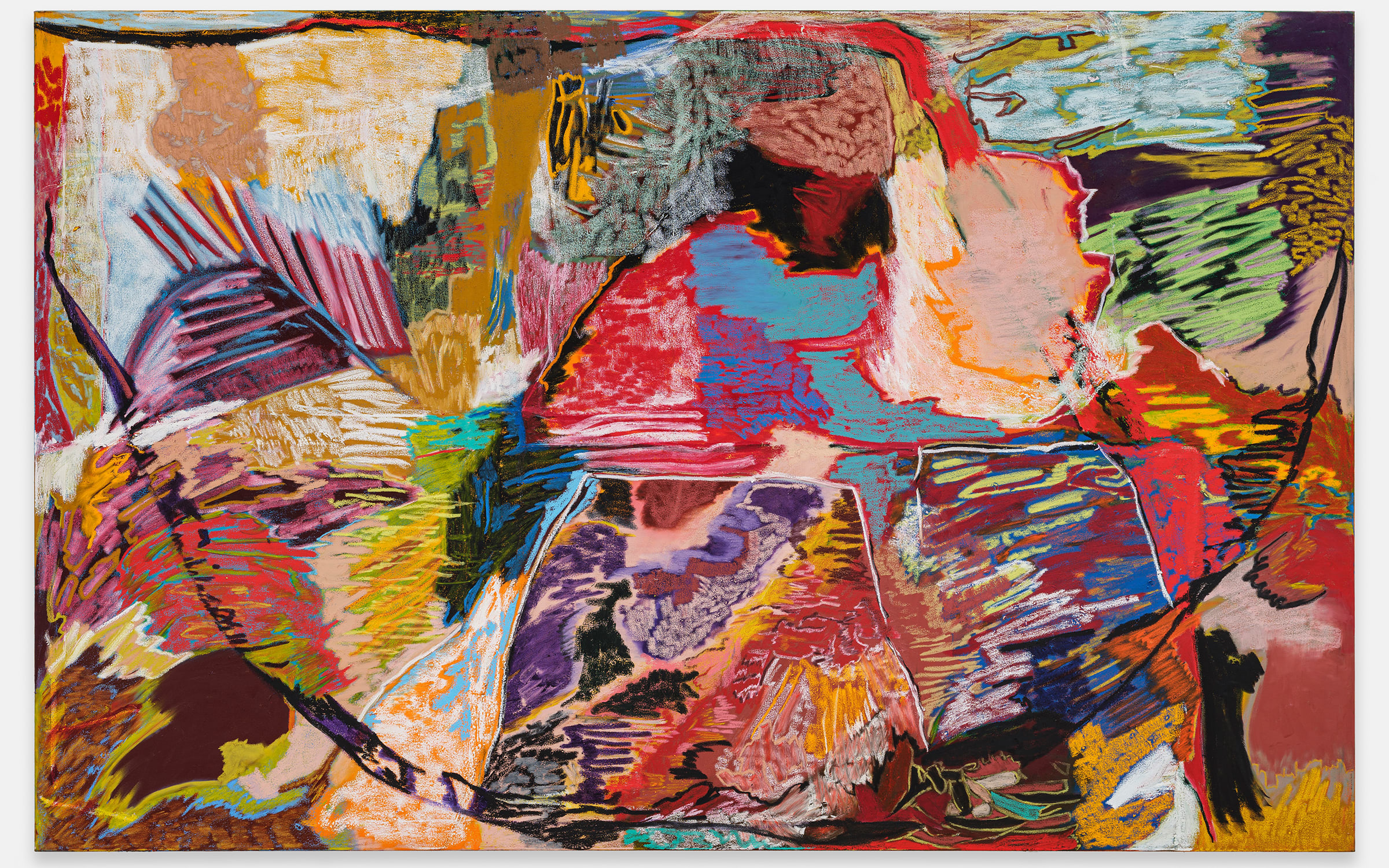
Chaoticism extends beyond conceptual reimagination—it invites material and technological daring. Imagine traditional oil on canvas colliding with digital glitches, tactile collages fusing recycled objects, or spray paint unpredictably interrupted by deliberate ink wash drips. These audacious combinations exacerbate the very chaos intrinsic to the movement and redefine Abstract Expressionism for the twenty-first century.
Such practices challenge purist notions that abstraction must adhere to orthodox methods. Instead, chaos becomes a tool, a vocabulary composed of disruption and renewal, transforming works into unpredictable landscapes of texture and tone, propelled by both intuition and experimentation.
The Role of the Artist: Catalyst and Conductor of Controlled Anarchy
In Chaoticism, the artist transcends mere creator status to become a conductor of controlled anarchy. This isn’t about surrendering to randomness but orchestrating it—setting parameters while inviting unforeseen interactions of color, form, and texture. The artist’s hand remains evident but is complemented by the serendipitous forces stirring beneath the surface.
This delicate balance invites artists to relinquish some control and embrace unpredictability, thereby aligning the creative process with the tumultuous realities of existence. It’s a philosophy that privileges transformation and surprise over perfection—a radical redefinition of mastery in contemporary art.
Rekindling Audience Connection: The Invitation to Interpretive Freedom
One of the most exhilarating aspects of Chaoticism lies in its reciprocity between artwork and audience. By eschewing prescriptive meaning, chaotic abstractions invite viewers to invest their own narratives and emotional landscapes into the experience. This interpretive freedom fosters deep engagement and personal relevance—qualities often eroded in an era of art commodification.
Rather than policed answers or neat conclusions, these works provoke dialogue, require contemplation, and ultimately empower the observer to find meaning amidst ambiguity. Isn’t that the true essence of art flourishing? In this light, the chaotic brushstroke becomes a catalyst for connection rather than alienation.
Conclusion: Chaos as the New Order in Abstract Expressionism
Chaoticism challenges the assumption that disorder dilutes significance. Instead, it asserts that chaos, when harnessed creatively, is a vibrant conduit for revival—a means to render Abstract Expressionism vital and compelling in a tumultuous age. It invites artists and audiences alike to embrace complexity, imperfection, and unpredictability as allies rather than adversaries.
As the world continues its relentless flux, perhaps it is this very chaotic spirit—unshackled, exuberant, and raw—that will propel Abstract Expressionism from historical icon to relevant, pulsating phenomenon. After all, isn’t the beautiful paradox of chaos that within it lies the potential for profound meaning and unprecedented creativity?


Leave a Comment