

In the dawn of the digital renaissance, AI-generated art has surged into the limelight, breathtaking audiences with its uncanny ability to create visuals of staggering complexity and beauty. Yet, beneath this dazzling veneer lies a paradox — a peculiar emptiness that haunts the very core of AI artistry. This sense of void doesn’t arise from technical insufficiencies but from a deeper ontological schism between human creativity and algorithmic execution. To unravel this enigma, we must venture beyond the surface, peering through the lens of chaoticist critique, to understand why AI art often feels hollow despite its mesmerizing façade.
The Illusion of Creativity: A Mechanistic Mimicry
At first glance, AI art seems to promise an evolution in creative expression, a collaboration between human ingenuity and machine precision. However, this promise is somewhat illusory. AI operates by digesting vast datasets, identifying patterns, and reconstructing elements based on statistical probabilities. The outcome is an aesthetic synthesis devoid of intentionality, a simulacrum rather than a genuine expression of subjective experience.
This mechanistic mimicry generates a compelling illusion of originality, but underneath, there is no conscious agent. The AI lacks the existential drive, the emotive impetus that fuels human art. Consequently, AI creations can feel antiseptic — beautifully arranged mosaics lacking the vital spark of purpose or passion. The artwork’s emotional resonance, that ineffable connection bridging creator and observer, is essentially algorithmic echo without authentic source.

Context and Consciousness: The Missing Dimensions
Art does not exist in a vacuum; it is a dialogue shaped by context and consciousness. Every brushstroke of a human artist anchors itself in a rich tapestry of lived experience, cultural narratives, and emotional nuance. AI, however, is encased within its training corpus, devoid of true consciousness or temporal awareness.
It is this absence of a subjective temporal narrative — the personal history and cognitive context infusing art with layered meanings — that AI art struggles to replicate. The chaoticist perspective highlights that the human mind thrives on unpredictability and nonlinear associative thinking, fueling creativity with irrationality and serendipity. Machines, conversely, adhere to deterministic algorithms, producing order but lacking the chaotic impulses that birth innovation and depth.
The Paradox of Personalization: When AI Feels Too Personal
Curiously, AI art sometimes feels surprisingly intimate, evoking personal responses that verge on uncanny. This sensation emerges from the AI’s capacity to interpolate and remix elements drawn from real human creations, effectively becoming a mirror reflecting our collective aesthetic psyche back at us.
This paradox — art that feels personal but is fundamentally impersonal — unsettles the viewer. It challenges our assumptions about authenticity and emotional sincerity, stirring a cognitive dissonance between admiration and alienation. The chaoticist critique suggests that this discord stems from AI’s transactional engagement with existing cultural motifs rather than an emanation of a personal artistic vision. It is an aesthetic chimera, a patchwork of human expression reassembled without the guiding hand of intentionality.
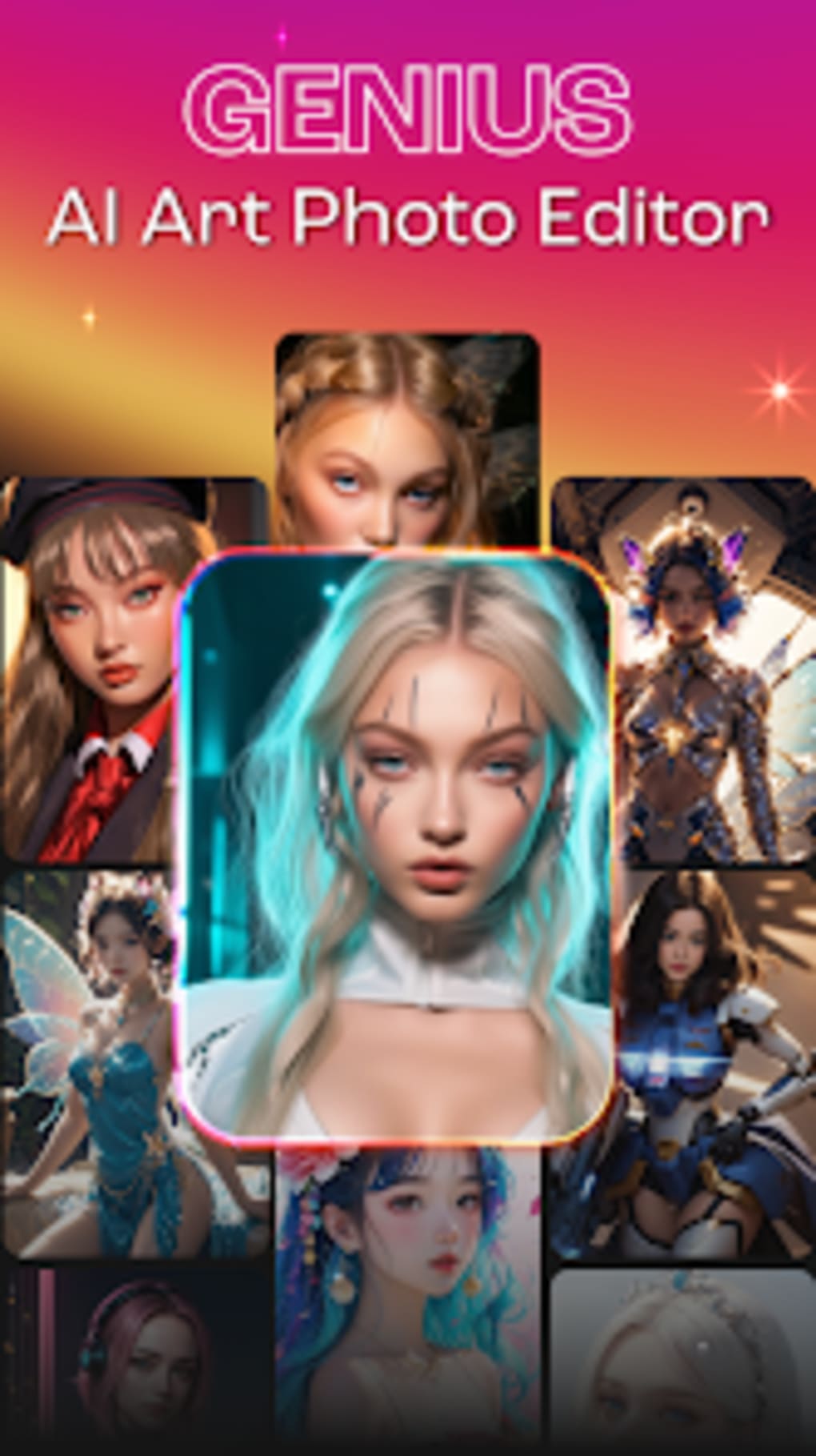
The Void Behind the Veil: Emptiness as an Existential Symptom
Emptiness in AI art is not merely a technical deficiency; it is an existential symptom of a new epoch in artistic production. This emptiness reflects the profound dilemma of creativity detached from consciousness. Human art is a manifestation of being — a tangible imprint of inner chaos and order harmonizing in fragile equipoise.
AI art, while capable of mimicking form, shrouds itself in a veil without substance, invoking a spectral echo devoid of intrinsic meaning. It invites us to confront a future where art may become a commodified simulacrum, stripped of its transformative power to move, confront, and elevate. The chaoticist lens urges us to recognize that the meaningfulness of art originates in the unpredictable interplay of chaos within human experience, an element conspicuously absent in algorithmic generation.
Rethinking Creativity: A New Paradigm Emerges
Nevertheless, this critique does not condemn AI art to futility. Instead, it invites a paradigmatic shift in how creativity is conceived. Rather than viewing AI as an autonomous artist, we might embrace it as a tool amplifying human chaos—a conduit for our unpredictable impulses rendered in novel visual form.
Through this lens, AI art becomes a collaborative dance: human chaos seeds the creative spark, and AI expands the horizon of possibility by navigating vast combinatorial spaces. The emptiness perceived in AI’s solo endeavors challenges us to deepen our integration of human intuition and machine computation, fostering a symbiotic relationship where the void is filled by human intentionality.
Conclusion: Embracing the Chaos Within the Machine
Why does AI art feel empty? Because it is the ghost in the mechanical shell — a simulacrum lacking the chaotic heartbeat of human existence. Yet this emptiness serves as a vital prompt, a philosophical probe into the essence of creativity itself. The chaoticist critique reveals that art’s true vitality is not merely in pattern or form but in the unpredictable interplay of consciousness, chaos, and cultural narrative.
As we stand on the precipice of this new artistic era, the challenge is clear: to imbue AI art with the chaos it inherently lacks—a chaos born of human will, intuition, and emotional depth. Only then can the void transform from a barren chasm into a fertile ground for a renaissance where machine precision and human unpredictability coalesce, crafting artworks that resonate, provoke, and endure.


Leave a Comment