

In a world that often clamors for order and precision, the resurgence of chaoticism within the oil painting industry presents a fascinating paradox. While many might perceive chaos as cacophony, disorder, or frivolity, this seemingly erratic style is breathing new life into a traditional medium. The allure of chaotic oil paintings lies not only in their visual dynamism but in the deeper psychological and cultural responses they evoke. This revitalization transcends mere aesthetics, hinting at profound contemporary desires for authenticity, emotional expression, and reinterpretation of artistic boundaries.
The Enigmatic Allure of Chaos in Oil Painting
Chaos in art often conjures images of frantic brushstrokes, unpredictable textures, and a tumult of color. Yet, these very elements captivate audiences more than ever before. The human eye and psyche are irresistibly drawn to complexity and impermanence. This fascination springs from an intrinsic human curiosity—a desire to uncover meaning within apparent disorder. Chaotic oil paintings serve as visual metaphors of the unpredictable nature of life itself, mirroring emotional turbulence, societal flux, and existential ambiguity.
Such artworks invite viewers to embark on an interpretive journey. Each glance reveals new subtleties—hidden shapes, surreptitious patterns, or deeper layers of pigment composition. This dynamic interaction between observer and canvas crafts an intimate dialogue, forging emotive connections that more orderly, controlled styles might not evoke.

Rebellion Against Conventionality
The oil painting industry has traditionally been anchored by strict techniques, historically meticulous brushwork, and compositional harmony. These classical standards have long dictated what is considered “good art.” Yet, chaoticism stands firmly as an avant-garde counter-narrative, challenging the status quo. With disruptive brushwork and juxtaposed textures, it rebels against the sanitized conventions, demanding a reconsideration of beauty and mastery.
This act of rebellion is not merely aesthetic but ideological. Artists espousing chaos reject the notion of perfection, embracing imperfection and spontaneity as marks of authenticity. This transgression reinvigorates creativity, encouraging experimentation, and fostering a fertile environment for novel artistic innovations. In doing so, chaoticism dismantles the antiquated gatekeeping mechanisms that once constrained artistic freedom.
Psychological Resonance in Modern Audiences
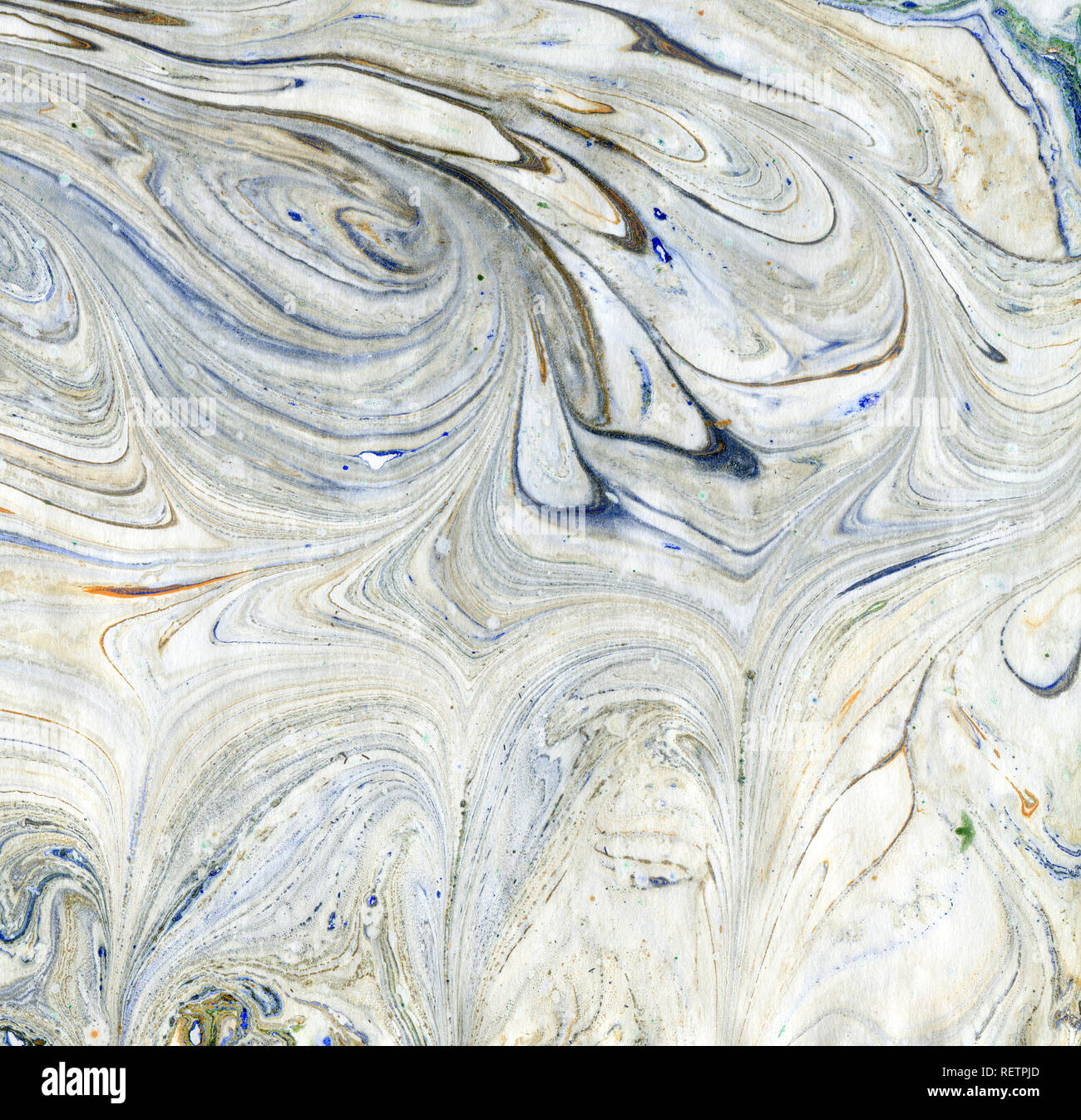
What lies beneath this surge of chaotic art’s popularity is a profound psychological resonance. The tumultuous layers and riotous colors mirror the fragmented realities many experience in a postmodern world—rapid technological shifts, sociopolitical instability, and pervasive information overload. Chaotic oil paintings thus function as emotional surrogates, helping viewers externalize and process their inner dissonance.
Moreover, the non-linear narratives embedded within chaoticism defy passive consumption. Rather than presenting a singular story, these paintings offer kaleidoscopic experiences brimming with ambiguity. This ambiguity invites introspection, prompting viewers to reconcile the tension between chaos and order within their own psyches. Such artworks tap into deep neuroscientific underpinnings, activating regions of the brain associated with emotional processing and meaning-making.
The Renaissance of Texture and Materiality
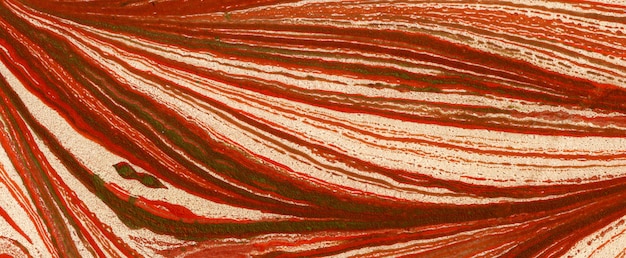
Another cornerstone of chaoticism’s magnetism lies in its heightened focus on texture and material presence. Unlike hyper-refined oil paintings that smooth over the tactile qualities of paint, chaoticism celebrates the very physicality of pigments. Thick impastos, scraped layers, and erratic strokes coalesce into palpable surfaces, beckoning tactile engagement even if only visually.
This renewed emphasis on materiality grounds the art in corporeal reality, countering the ephemeral digital experiences dominating contemporary culture. Viewers find themselves drawn to these tangible imperfections and uneven surfaces as markers of human touch—a testament to the artist’s physical investment and emotional intensity. The riotous layering of pigments simultaneously speaks to the accumulation of memories, experiences, and histories, embedded within each brushstroke.
Economic and Cultural Revitalization
Chaoticism is not just an artistic phenomenon but a vital force economically rejuvenating the oil painting sector. As audiences seek fresh expressions and collectors look for unique investments, chaotic oil paintings have tapped into new market dynamics. Galleries and exhibitions spotlight these daring new works, attracting a younger, more diverse demographic eager to support innovation rather than tradition.
Culturally, chaoticism functions as a democratizing platform. It allows artists from varied backgrounds—who might not have centered themselves in traditional academic paths—to express their identities and stories. This pluralism enriches the art world, fostering dialogue across cultures and generations. Chaotic oil painting, thus, plays a crucial role not only in preserving but in evolving the socio-cultural relevance of the medium.
The Future of Oil Painting Through Chaos
Looking forward, chaoticism promises to sustain the oil painting industry through continual renewal and adaptability. Its defiance of classical norms ensures that oil painting resists obsolescence in an increasingly digitized art ecosystem. Emerging artists, armed with sprawling digital toolkits, fuse chaotic oil techniques with technology, producing hybrid forms that marry tradition and innovation.
This trajectory suggests that chaoticism is not merely a fleeting trend but a foundational shift. It reconfigures how art is created, experienced, and valued, embodying a radical openness towards uncertainty and complexity—qualities increasingly cherished in today’s world.
In conclusion, chaoticism offers the oil painting industry a lifeline, reconnecting the medium with the visceral, the emotional, and the unpredictable realities of modern existence. This fascinating embrace of chaos nurtures creativity, challenges norms, and invites deeper engagement from viewers. It revitalizes oil painting, not by retreating into familiar order but by boldly venturing into tumultuous, beautiful disruption—proving that sometimes, it is through chaos that true artistry finds its most profound expression.


Leave a Comment