

Step into any contemporary art fair today, and one cannot help but notice a curious phenomenon: the proliferation of “mini sections.” These compact, curated enclaves within the grander sprawl of the fair are buzzing hubs of activity, seemingly more packed than many of the larger, established booths. What has fueled this surge of pocket-sized precincts? Why do they captivate audiences to such an extent that they command persistent attention amid a sea of competition? The answers unfold across a tapestry woven from evolving collector sensibilities, strategic innovation, and a deepening fascination with niche creativity.
The Evolution of Art Fairs: From Monoliths to Microcosms
Art fairs were once sprawling monoliths dominated by flagship galleries showing marquee artists. These events, often labyrinthine and overwhelming, catered mostly to seasoned collectors accustomed to navigating vast territories of art. The shift toward incorporating mini sections signals a pivotal transformation in the art fair ecosystem. It echoes a broader cultural shift towards personalization and intimacy in how art is experienced and consumed.
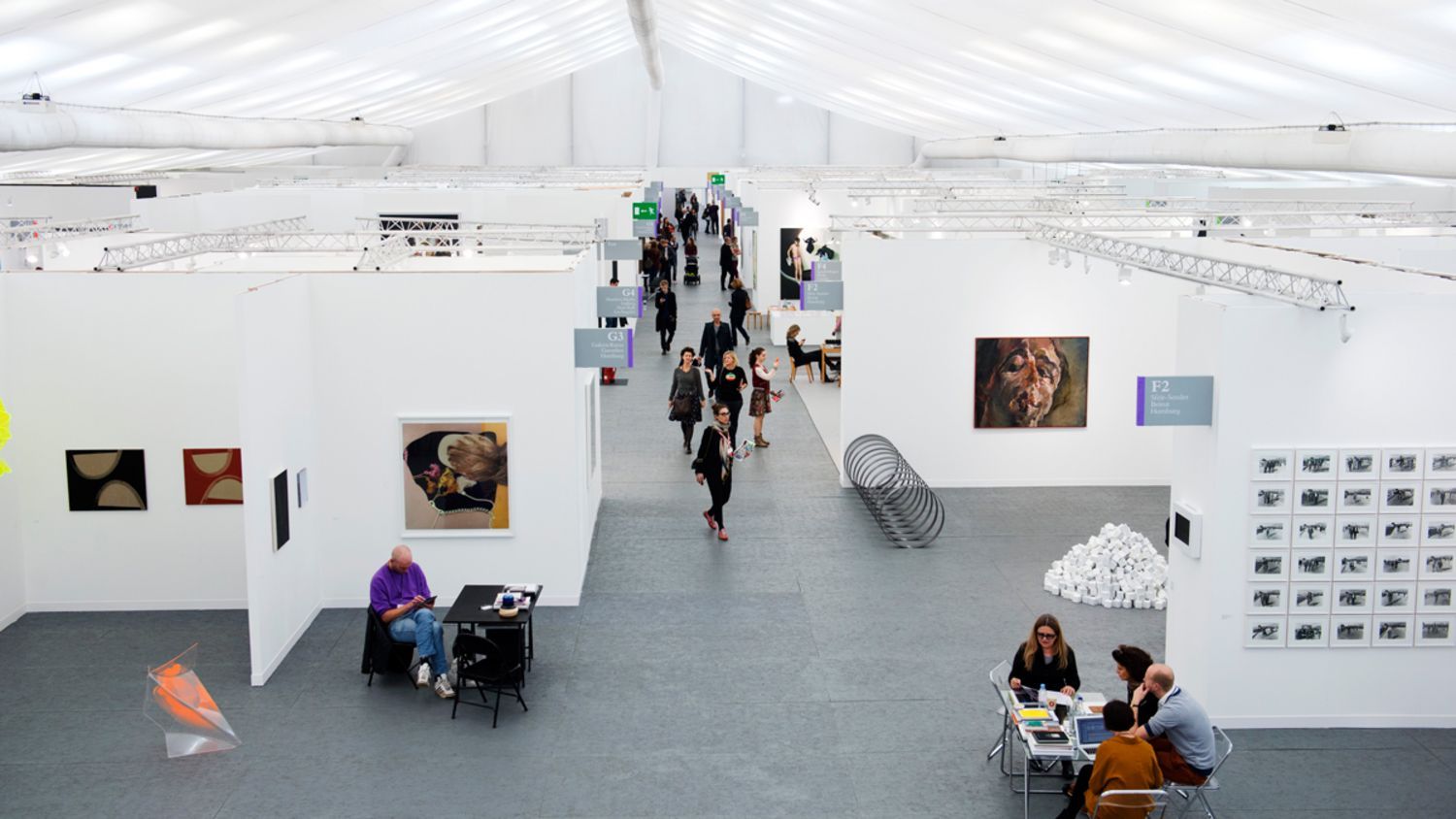
Mini sections distill the essence of what the fair offers into digestible, focused experiences. Instead of endless wall-to-wall displays, visitors encounter concentrated, thematically or conceptually linked groups of artworks and artists. This architectural downscaling encourages a deeper engagement with the art and the stories behind it. It invites visitors to linger, converse, and reflect — transforming the fair into a series of deliberate encounters rather than a fleeting spectacle.
The Magnetic Power of Curated Concentration
Why does a mini section pulse with such energy? The answer lies in its unique gravitational pull. These curated spaces are like art-world microcosms designed to showcase emerging trends, cutting-edge voices, or underrepresented perspectives. By assembling a constellation of complementary works, mini sections create a heightened narrative coherence. Visitors can easily grasp thematic threads and draw nuanced connections that might otherwise be lost in larger exhibitions.
This methodical curation acts as a beacon for enthusiasts hunting for the next groundbreaking star or seeking fresh insights into current cultural dialogues. Moreover, it offers a respite from the sensory overload that can accompany larger fairs, making the experience feel both exclusive and intensely rewarding.
Empowering Emerging Artists and Experimental Art
Mini sections serve as incubators for burgeoning talent. Large-scale booths often prioritize established artists and commercial viability, while these smaller zones provide fertile ground where experimentations can flourish. This dynamic nurtures innovation and amplifies diverse voices that might otherwise struggle to gain a foothold in a saturated market.
Artists showcased in mini sections convey a rawness and ambition that can be intoxicating to collectors and curators alike. The intimacy fosters a sense of discovery, creating buzz and market momentum. It’s no surprise that galleries and fair organizers increasingly view mini sections as strategic catalysts for seeding future artistic movements.

The Rise of Thematic and Experiential Zones
Mini sections often embrace thematic or experiential frameworks that transcend traditional art presentation. These zones might delve into avant-garde technologies, social justice narratives, or explorations of identity and environment. By adopting such focused programming, they heighten relevance and contextual richness.
Visitors no longer merely observe; they participate in dialogues that challenge their perceptions and provoke intellectual curiosity. The blend of sensory stimulation, conceptual depth, and narrative potency makes these sections thoroughly compelling and frequently “packed” with engaged crowds eager to immerse themselves.
Responsive Solutions in a Competitive Marketplace
The competitive nature of global art fairs has pushed organizers and exhibitors to innovate relentlessly. Mini sections respond to the need for differentiation amid a crowded marketplace. They provide galleries and curators with nimble platforms to test ideas, pilot collaborations, and tailor experiences for distinctly targeted audiences.
This agility is invaluable. It enables dynamic programming responsive to current artistic and market trends, often outpacing the slower pace of large-scale booths bound by logistical constraints. The result is a vibrant ecosystem that thrives on constant reinvention and an ever-shifting array of attractions.

Mini Sections as Catalysts for Community and Connection
Beyond commerce and curation, mini sections have evolved into vital social spaces that foster connection. They encourage dialogue between artists, collectors, curators, and enthusiasts in close quarters, promoting a participatory atmosphere. This proximity sparks conversations that extend beyond mere transactions—building relationships and networks that animate the life of contemporary art.
The conviviality and approachability of these smaller enclosures create an inviting ambiance. This contrasts markedly with the sometimes intimidating grandiosity of major booths, democratising the experience and making the fairs more accessible to newcomers and a younger demographic.
Conclusion: The Miniature Revolution in Art Fairs
The burgeoning popularity of mini sections at art fairs is far from a passing whimsy; it’s a profound reflection of the evolving art landscape. These compact zones crystallize a multitude of desires: the craving for meaningful engagement, the hunger for discovery, and the quest for innovative narratives. Their packed, pulsating energy demonstrates an undeniable truth—quality, focus, and intimacy often trump scale and spectacle.
As art fairs continue to adapt and reinvent themselves, mini sections will undoubtedly play an increasingly pivotal role. They offer a blueprint for navigating the complexities of the contemporary art world: hybrid spaces where commerce meets curiosity, tradition meets experimentation, and the collective delights in the nuances of the individual. In the vibrant cacophony of the fair, these pockets of concentrated vitality invite us all to lean in closer, pay attention, and celebrate the multifaceted splendor of art in miniature.


Leave a Comment