

What if a complex, intricate storytelling technique could be distilled into just four inches? Can narrative velocity, a concept often sprawling across chapters or campaigns, truly be encapsulated in such a seemingly limited space? At first glance, this notion may strike you as paradoxical—how do you accelerate a narrative arc inside the confines of minimal real estate? Yet, within this challenge lies an exhilarating potential to rethink storytelling’s fundamental mechanics and the way narratives engage their audiences both swiftly and memorably.
The Essence of Narrative Velocity
Narrative velocity refers to the pace and impetus with which a story unfolds, propelling audiences forward with momentum and intrigue. It is not merely about speed, but about maintaining a compelling cadence that blends clarity with suspense, ensuring engagement without sacrificing depth. A tale with high narrative velocity drives characters, plot, and thematic elements with precision, carving a path that’s brisk yet meaningful.
However, distilling this concept into four inches—be it across a page, a physical object, or a digital snippet—introduces a new frontier. The question arises: can narrative velocity maintain its vigor when compressed? This compression demands surgical storytelling, where every word and element performs double or triple duty, amplifying the narrative thrust in a trimmed format.
Zooming In: Four Inches as a Narrative Canvas
Four inches might seem an arbitrary or even insufficient measure for storytelling, but it can become a potent storytelling canvas when approached creatively. Consider the dimensions of a smartphone screen, a bookmark, or a postage stamp—each a small portal capable of inciting curiosity, emotion, and reflection.
The challenge rests on optimizing this limited spatial domain to convey movement, tension, and transformation effectively. This forces the storyteller to harness potent imagery, concise language, and dynamic design—or a synergy of all three. It demands a shift from sprawling exposition to evocative minimalism.
Visual elements then take on profound significance. An image compressed within four inches must not only be bold but narratively suggestive, hinting at backstory, conflict, or resolution. Titles and captions can perform as accelerators, zeroing in on thematic anchors or narrative questions that draw the reader in instantly.
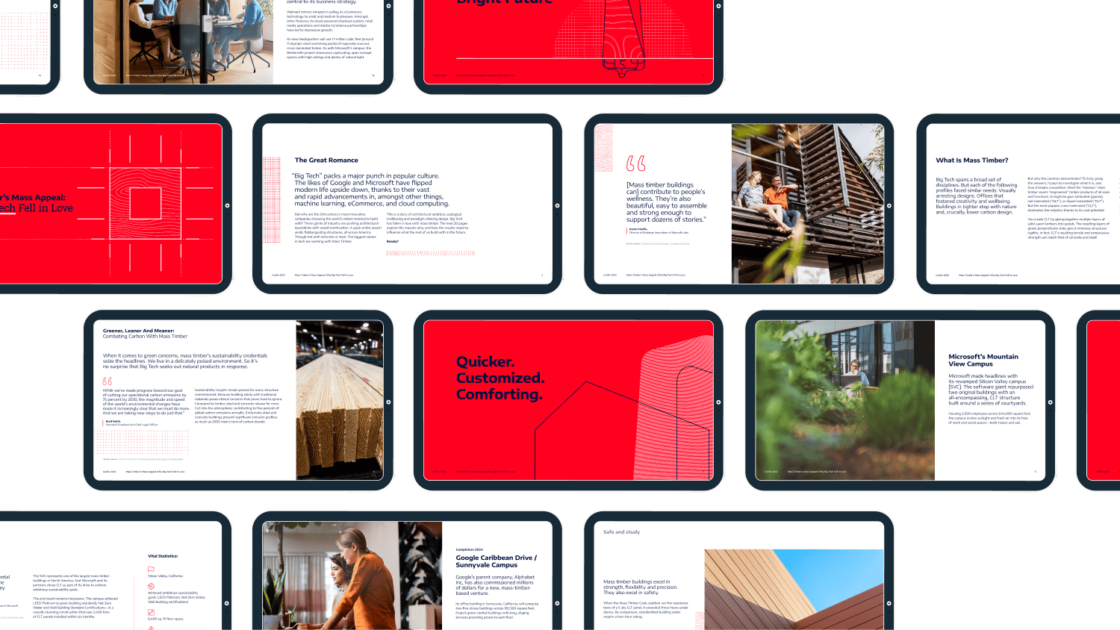
Case Study: Adaptive Storytelling in Compact Formats
Exploring real-world applications reveals how brands and creators have embraced this narrative spatial compression. Consider a case study where corporate storytelling fits into branding elements limited to small but pivotal real estate—business cards, digital thumbnails, or product labels. Crafting “narrative velocity” here means selecting the essential: the core message that triggers curiosity and aligns seamlessly with broader storyline arcs deployed elsewhere.
Editable case study templates designed for concise presentation underscore this principle. They exemplify how the condensation of narrative elements doesn’t diminish nuance but forces a sharper focus on audience engagement triggers. By wielding selective information and evocative visual cues, these compact stories accelerate comprehension and emotional resonance.

Techniques to Amplify Narrative Velocity within Tight Spaces
In mastering narrative velocity in four inches, several archetypal techniques come into play:
- Allusion and Suggestion: Using hints and partial reveals invites the audience to actively fill narrative gaps, turning passive consumption into immersive participation.
- Symbolic Imagery: Visual elements become anchors of theme and tone, conveying complex ideas with a single glance, thereby accelerating understanding.
- Dynamic Typography: The style, weight, and arrangement of text contribute layers of meaning and urgency, speeding up narrative uptake.
- Layered Meaning: Leveraging metaphors and double entendres compacts storytelling density, embedding multiple readings within minimal text.
These are not mere stylistic flourishes but essential gears that keep the narrative machinery smoothly whirring under spatial constraints.
The Paradox of Brevity and Depth
Four inches may evoke brevity, yet it need not imply superficiality. This paradox sits at the heart of the narrative velocity challenge: packing emotional heft and thematic complexity without sprawling expanses. It forces storytellers to engage in what might be called “micro-epics,” brief narratives that gestate vast worlds of meaning in tiny capsules.
Such brevity demands ruthless editorial judgment, stripping away excess without sacrifice. It also fosters innovation, prompting alternative narrative structures and non-linear storytelling modes to capture swift yet resonant experiences.
Implications for Future Storytelling
As modern audiences increasingly digest content amidst fragmented attention spans and multiplicitous stimuli, narrative velocity in compressed formats becomes not just an artistic experiment but a practical imperative. It challenges creators to recalibrate how stories are told—favoring acceleration without shallowness and immediacy without distraction.
This evolution may redefine mediums themselves, integrating tactile and digital experiences where narrative velocity is co-created between form and consumer interaction. In four inches, stories will no longer be confined but will pulsate with kinetic energy, a nexus of brevity and depth driving engagement at unprecedented speeds.
In contemplating the challenge—can a robust, moving narrative truly unfold in four inches?—we uncover a thrilling horizon where constraints breed creativity and velocity becomes a crafted experience. Such compact storytelling is not a reduction but a refinement, a high-speed journey inviting audiences to dive deep without losing momentum.


Leave a Comment