

The vibrant art world has always sought new avenues to breathe life into creative expression and redefine how art is experienced. Among the many innovations, the Artist Trading Card (ATC) has surged in popularity and acclaim, firmly establishing itself within galleries as a dynamic and democratizing force in contemporary art. This diminutive but potent form of creativity—usually crafted at a standard trading card size of 2.5 by 3.5 inches—has captivated artists and collectors alike, offering a thrilling blend of intimacy, accessibility, and ingenuity. The rise of ATCs in galleries encapsulates a fascinating evolution, reshaping traditional art spaces while fostering thriving artist communities.
The Intriguing Origins and Evolution of Artist Trading Cards
Artist Trading Cards originated in the late 1990s as a grassroots artist movement initiated by Swiss artist M. Vänci Stirnemann. His vision was refreshingly egalitarian: small artworks created, exchanged, and collected purely for the joy of trading and artistic dialogue. Unlike conventional art market paradigms, ATCs circumvented commercialization, focusing instead on process and connection. This foundational ethos continues to underpin the ATC culture, imbuing each card with personal narrative and creative spontaneity.
Over the years, this practice has evolved, transcending its niche beginnings to find a prominent place in galleries worldwide. Today, galleries appreciate ATCs for their ability to foster direct engagement between artists and audiences, stripping away the barriers of scale and cost. These tiny masterpieces serve as portals into an artist’s imagination, offering profound insight within confined frames.
Exploring the Diverse Content of Artist Trading Cards
The sheer versatility of content found within ATCs is astonishing. Because they are miniature canvases limited only by the artist’s interpretation, the range of mediums and expressions is eclectic and unbounded. Some cards dazzle with detailed paintings and intricate drawings, others incorporate mixed media, collage, or experimental textures. The tactile quality of materials such as hand-painted paper, fabric, or found objects invites a multisensory experience, elevating the visual to the palpable.
Moreover, the conceptual breadth is expansive. Some ATCs convey vivid narratives condensed into fleeting moments, while others evoke abstract moods or cryptic symbolism. Many explore themes of identity, culture, environmental consciousness, or social commentary. This rich tapestry of themes reflects not only individual voices but also the zeitgeist of contemporary artistic concerns. The modularity of ATCs means they can be both standalone jewels or part of a larger, interwoven series.

The Role of Galleries in Championing ATC Culture
Galleries have embraced ATCs as more than quirky collectibles; they see them as democratizing forces with the power to expand visitor interaction and redefine exhibition boundaries. By displaying ATCs, galleries present a curated mosaic of micro-artworks that encourages viewers to focus intently on the nuances of craft and creativity. This shift from monumental works to miniature epigrams challenges the viewer’s perception, compelling them to reconsider notions of scale and value.
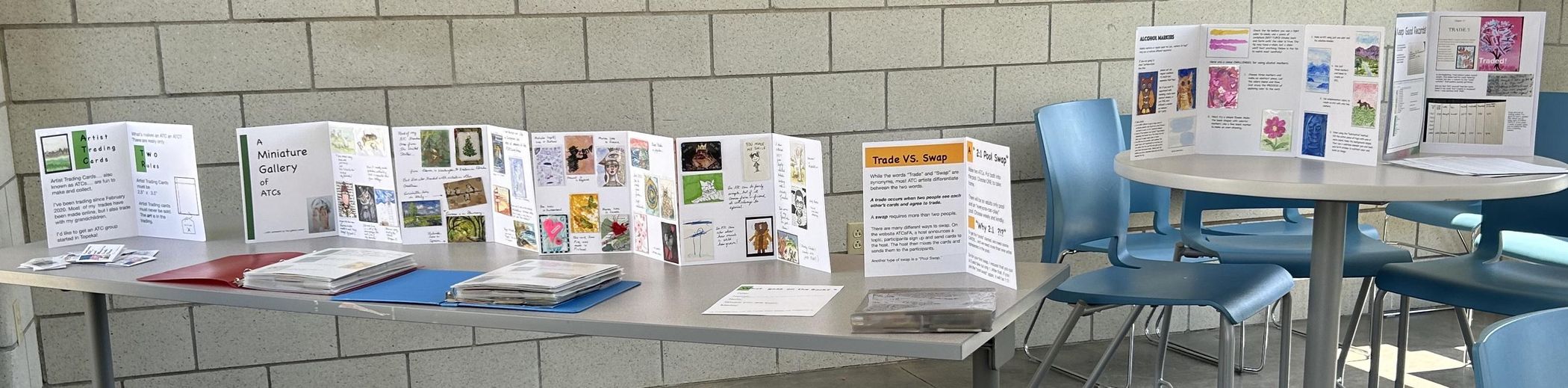
Excitingly, galleries also facilitate artist trading sessions or workshops, inviting patrons to engage directly in the creation and exchange process. This participatory programming bridges the gap between art creator and consumer, fostering community and sustaining artistic momentum. Such initiatives transform galleries into lively hubs of artistic exchange, intellectual dialogue, and collaborative experimentation.

Innovative Exhibition Formats and Curatorial Approaches
The compact dimensions of ATCs allow for innovative curatorial approaches and exhibition designs. Galleries have adopted modular displays, wall grids, and vitrines that accommodate hundreds of cards without overwhelming the viewer. This multiplicity invites exploration through a labyrinthine journey of discrete artworks, imparting a treasure hunt-like thrill. Exhibits often juxtapose thematic clusters, contrasting media, or progressive narratives.
Curators face the challenge—and opportunity—of crafting narratives that respect the miniature nature of ATCs while magnifying their impact. Dynamic lighting, magnifying tools, and interactive digital catalogues have enhanced how audiences perceive these artworks, allowing a granular appreciation of detail and technique. Some galleries have transformed entire rooms into immersive environments where ATCs act as fragments of a larger sensory experience.
The Communal and Collaborative Spirit Behind ATC Gatherings
Beyond exhibitions, ATC culture thrives through collaborative trading sessions that often culminate in vibrant gatherings. These events—be they informal swaps in cafes or structured group meetups—embody the spirit of exchange and artistic kinship at the heart of the movement. Participating artists share resources, techniques, and inspirations, enriching their practices and broadening their networks.
These communal experiences build intergenerational and intercultural bridges, welcoming newcomers and veterans alike. The act of trading—usually done without financial transaction—emphasizes goodwill and mutual respect. It nurtures an ethos where artistic labor is shared freely, fostering an ecosystem where creativity blossoms unrestricted by commercial constraints.
Impact on Contemporary Art Markets and Future Prospects
While ATCs traditionally sidestep the market-driven art world, their rising prominence in galleries has elicited fresh dialogues about value and collectibility. Collectors are increasingly drawn to the intimacy and immediacy of ATCs, often building extensive collections that reflect personal tastes and histories of artistic collaboration. The cards’ affordability democratizes ownership, allowing art enthusiasts from diverse backgrounds to participate in cultural investment.
Looking forward, the integration of digital technology with ATCs is sparking exciting innovations—from virtual ATC swaps to augmented reality enhancements that breathe animated life into these tiny masterpieces. Such interdisciplinary convergence signals boundless potential for ATCs to evolve while maintaining their core tenet of artistic exchange.
Ultimately, the rise of Artist Trading Cards within gallery spaces signifies a refreshing recalibration of how art is created, shared, and celebrated. Small in size but immense in impact, ATCs amplify the voices of countless artists and invigorate art communities worldwide. They champion a vision of creativity that is accessible, collaborative, and endlessly inspiring—a testament to the enduring power of artistic connection.


Leave a Comment