

There is an undeniable allure in the gradual unraveling of time, where once vibrant structures and objects succumb to nature’s relentless embrace. This phenomenon, often dismissed as mere deterioration, captivates the human spirit in ways that transcend simple aesthetics. The art of decay invites us to reconsider impermanence not as loss, but as a profound narrative of transformation, resilience, and unexpected beauty.
The Intrigue of Transience
At first glance, decay appears as a process marked by entropy — the inevitable decline from order to disorder. However, this transience holds a poetic narrative that many find irresistibly fascinating. Why does peeling paint, rusted metal, or crumbling architecture evoke such strong emotional resonance? It could be that these elements serve as silent chroniclers of forgotten stories, whispering tales of their past lives through visual textures and patterns. The raw authenticity visible in cracked surfaces and weathered materials invites viewers to engage with history in a tangible, intimate manner.
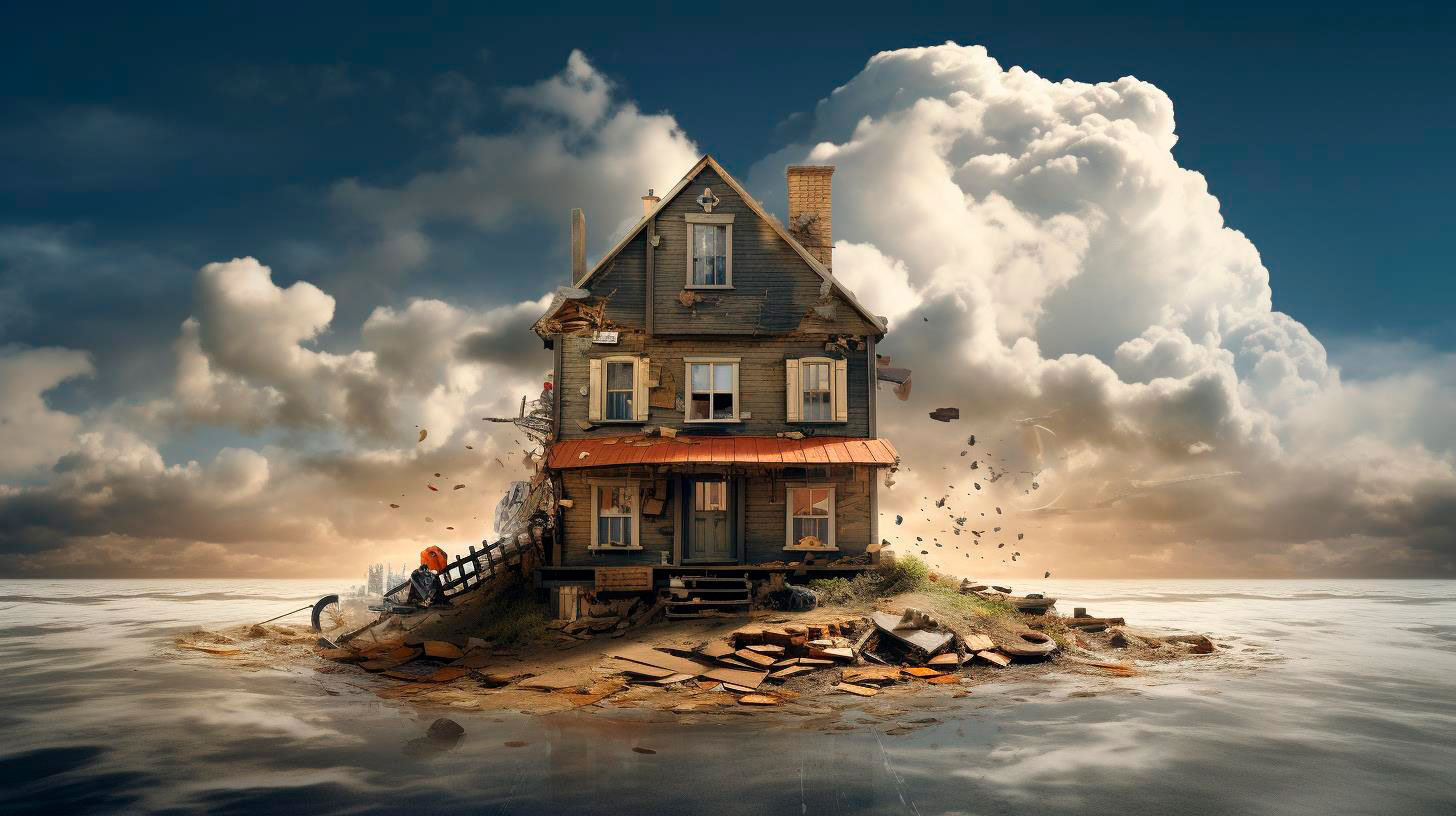
The fascination with impermanence taps into a human need to find meaning beyond the fleeting present — a desire to connect with the continuum of existence and the inevitability of change. It reflects a collective acknowledgment that nothing is static, and beauty often resides in the ephemeral.
Decay as a Canvas for Artistic Expression
Artists have long been drawn to decay as a rich source of inspiration. The textures conjured by rust, erosion, and decomposition offer a visual language brimming with symbolism. This is particularly evident in the realm of digital abstract art, where artists replicate or manipulate decaying elements to explore complex concepts such as time, memory, and impermanence.

Such artworks do not merely depict decay; they evoke its emotional and philosophical layers. By blending organic degradation with digital intervention, creators emphasize the dialogue between the old and the new, the permanent and the transient. The result is an evocative synthesis that magnifies the existential beauty rooted in life’s continual evolution.
Urban Decay: Beauty in Abandoned Spaces
Urban decay is perhaps the most tangible and visceral form of impermanence visible in everyday life. Formerly bustling factories, derelict houses, and neglected infrastructures serve as monuments to the passage of time. Photographers and artists seek out these environments, discovering aesthetic value in their raw and unrefined qualities.
In these settings, nature often asserts itself once more, with creeping vines and moss softening the harshness of concrete and steel. The juxtaposition of abandonment and reclamation creates a unique visual tension. It tells stories about human civilization’s transient endeavors and nature’s enduring persistence.

This evocative confluence of decay and rebirth draws attention to cycles of transformation. Observers find a paradoxical comfort in these spaces — an acknowledgment of loss coupled with the hope of renewal and change.
The Philosophy Behind the Fascination
Embedded within this aesthetic is a deeper philosophical underpinning. The appreciation for decay aligns with concepts from Eastern philosophies such as wabi-sabi, which celebrates imperfection and impermanence. Rather than striving for polished perfection, the focus shifts to embracing the natural progression of aging and entropy.
This acceptance resonates widely because it mirrors the human experience itself. Life is marked by constant flux, by growth and deterioration, beginnings and ends. Decay represents a visible metaphor for these cycles, prompting introspection about mortality and the passage of time.
Embracing Impermanence in Contemporary Culture
In a culture obsessed with youth, newness, and longevity, the art of decay serves as a counterpoint to prevailing narratives. It challenges the glorification of permanence and introduces a nuanced celebration of change and fading beauty. This recalibration helps foster a more sustainable relationship with our surroundings — encouraging preservation not through denial of change but through honoring the natural life cycles of objects and environments.
Moreover, the growing appreciation for recycled and repurposed materials in art and design reflects this ethos. The visible marks of age or wear extend stories and add depth, transforming the old into something meaningful and contemporary.
Conclusion: The Enduring Allure of Impermanence
To find beauty in decay is to embrace the ephemeral nature of existence itself. It invites us to look closely, to appreciate the textures of time and the silent stories embedded in deterioration. This artistic and philosophical recognition opens new ways of seeing the world — not as static or permanent, but as a dynamic, unfolding narrative where every crack and shadow has significance.
The art of decay is a celebration of transformation, resilience, and the profound poetry that emerges when we accept impermanence. In doing so, it allows us to discover not just beauty, but meaning in what many deem obsolete or broken.


Leave a Comment