

The journey of foraged art is nothing short of a captivating odyssey—one that winds its way from the quietly bustling forest floor to the meticulously curated gallery wall. This transformative passage invites viewers and creators alike to reconsider the artistry embedded in nature’s miscellany, celebrating the intersection of environment, imagination, and craftsmanship. Foraged art offers a profound shift in perspective, urging observers to see beauty where it’s often overlooked, and to appreciate the untamed textures and hues gifted by the natural world.
The Alchemy of Foraging: Unearthing Nature’s Hidden Treasures
Foraging is more than just gathering; it’s a mindful communion with the environment. Artists who engage in this practice become alchemists of the earth, searching beneath leaf litter, amidst mossy underbrush, and within forgotten nooks to extract elements that carry innate stories. From seeds tarnished by time to ephemeral pigments created by local flora, every collected fragment is imbued with a unique provenance. This process elevates ordinary materials—twigs, dried leaves, crushed flowers—into the realm of artistic potential.
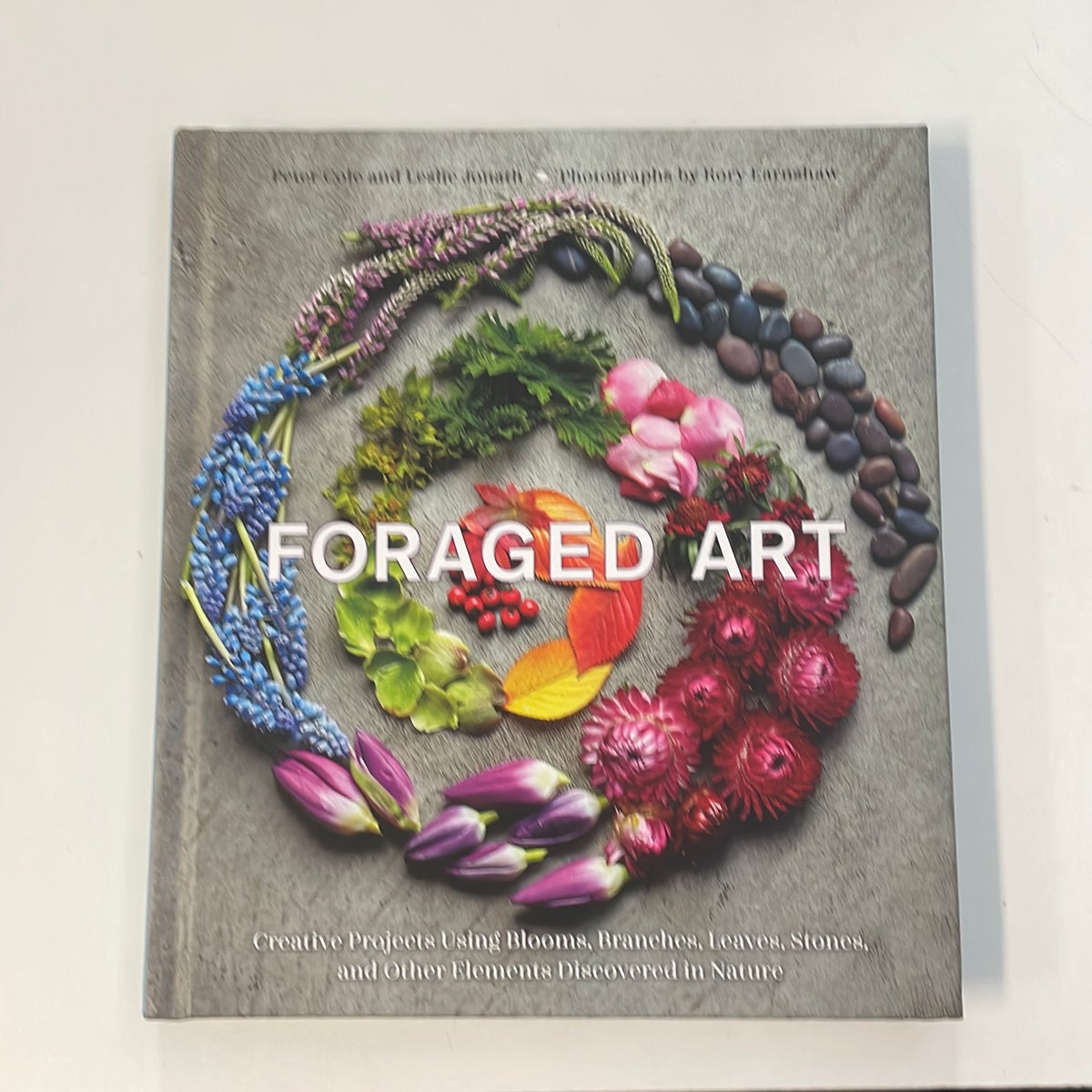
The patience and intimacy required in foraging cultivate a deep connection to place. This connection infuses the resultant artworks with authenticity, anchoring each piece in a tangible sense of locale. This intimate interaction transcends mere aesthetic value; it becomes an ecological narrative. The forager’s eye challenges the commonplace vision, prompting onlookers to discover the richness of their own surroundings.
Transformation Through Technique: Crafting Nature’s Bounty into Art
Once gathered, the materials embark on the next phase of metamorphosis—transmutation through skill and technique. Here, the artist’s craft breathes new life into nature’s bounty. The alchemy of blending pigments extracted from leaves, bark, and soil produces evocative, often unpredictable palettes that heighten the visual language of the artwork. These pigments, fragile and ephemeral by nature, demand deliberate handling and nuanced application, weaving an intimate vulnerability into each creation.
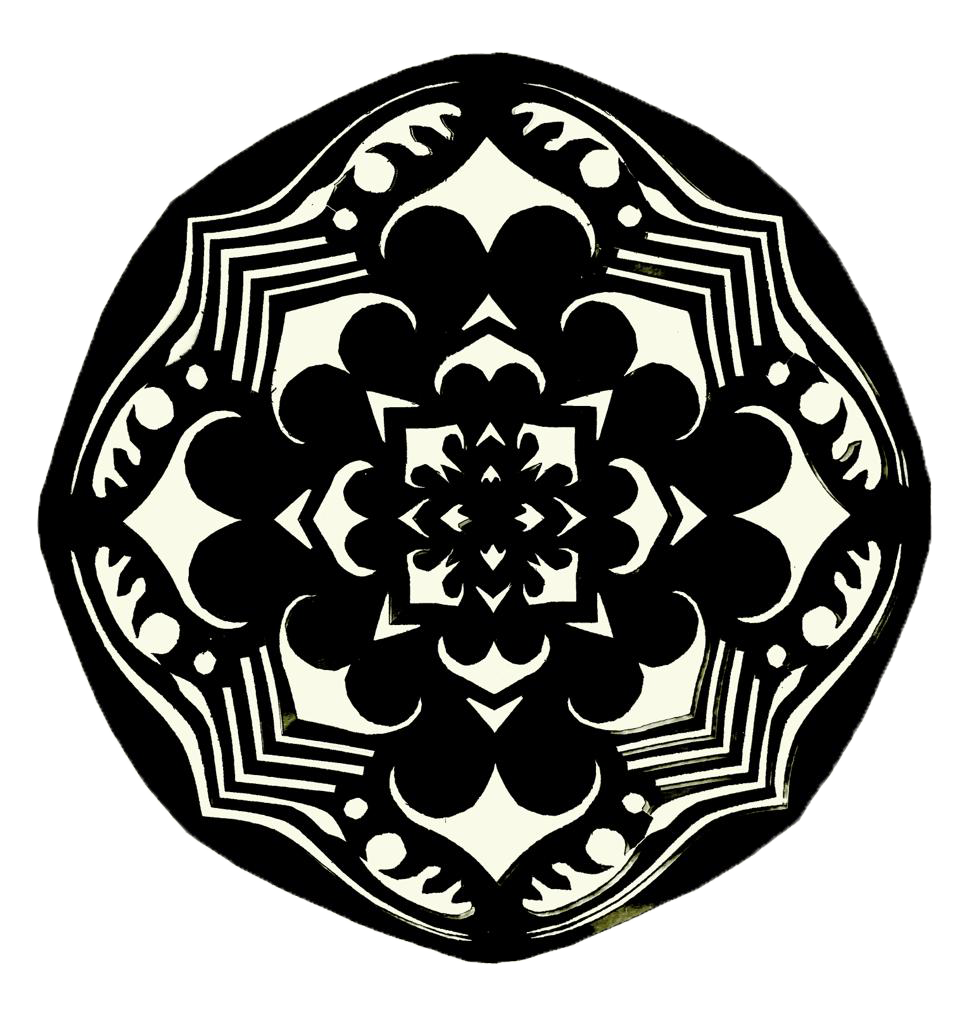
The process may involve layering diverse elements—organic fibers, soil textures, mineral powders—to evoke depth and complexity. Such techniques challenge traditional mediums, blurring the boundaries between painting, sculpture, and assemblage. The handcrafted nature of foraged art inherently carries imperfections and serendipity, which paradoxically amplify its authenticity and emotional resonance.
Ecological Echoes: Advocating Sustainability and Mindful Consumption
Foraged art is intrinsically an ecological statement. The very act of sourcing materials sustainably underscores a respect for the earth’s delicate balance. This mindful approach stands in bold contrast to art forms reliant on mass-produced or synthetic products. It echoes a clarion call for conscious creativity—one that recognizes the interconnectedness of humans and the environment.
Moreover, by elevating humble natural materials to treasured artistic expressions, foraged art sensually invites conversations about conservation and environmental stewardship. It frames nature not just as muse but as collaborator, with every piece reflecting the rhythms and cycles of the ecosystems from which it was derived.
From Forest to Frame: The Curatorial Journey
The transition from raw natural elements to an exhibited artwork involves a meticulous curation that honors both the source and the final presentation. Galleries playing host to foraged art grapple with showcasing pieces that are often fragile, organic, and ephemeral. The display becomes a delicate balance of protecting these works while allowing their intrinsic rawness and connection to nature to shine unhindered.
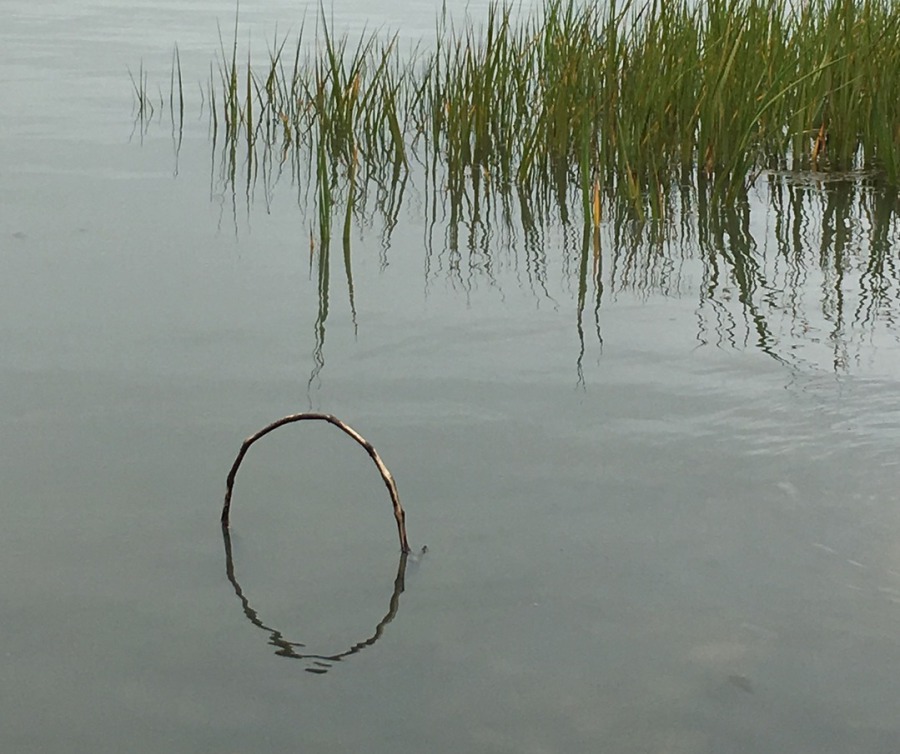
This curation demands innovative framing techniques and environmental controls that preserve texture and color. It also necessitates a narrative arrangement, whereby each piece is contextualized within its ecological and creative lineage. Exhibitors and collectors alike embrace the challenge, knowing they are custodians of a fleeting dialogue between nature and culture.
The Viewer’s Perspective: Rediscovering Wonder in the Mundane
Encountering foraged art in a gallery setting is a moment that can fundamentally alter preconceived notions of value and beauty. These works compel viewers to oscillate between micro and macro perceptions—appreciating the intricacies of a pressed petal or the subtle earthiness of a pigment while simultaneously pondering larger ecological narratives. The tactile and organic qualities invite a multisensory engagement beyond traditional visual consumption.
Foraged art’s very existence in prestigious spaces piques curiosity—prompting questions about origin, process, and philosophy behind the pieces. This engagement offers a cognitive and emotional unshackling, provoking a deeper reflection on humanity’s symbiotic relationship with nature, and the latent artistry embedded in the environment all around us.
Conclusion: Celebrating the Infinite Dialogue Between Nature and Creativity
The journey of foraged art from the forest floor to the gallery wall is a poetic testament to creativity rooted in reverence. It promises a shift in perspective—inviting a profound reconsideration of what constitutes art, beauty, and value. Through patient gathering, transformative technique, ecological mindfulness, and thoughtful curation, foraged art weaves disparate narratives of place, nature, and human hands into a cohesive whole.
Ultimately, it is an art form that not only reinvents materials but reimagines our very relationship with the world around us. It awakens a persistent curiosity, an invitation to look closer, dig deeper, and embrace the mystery inherent in the natural realm. From the quiet hum of the forest floor to the hushed reverence of gallery halls, foraged art speaks a timeless language—one that resonates with anyone willing to listen.


Leave a Comment