

Is sustainability merely the latest trend to embellish the artistic world, or does it signify a profound philosophical transformation—a fundamental ethos that reshapes creativity and innovation for years to come? In 2026, as the art community delves ever deeper into environmental responsibility, the question becomes not whether eco art looks different, but whether sustainability has become the very skeleton of artistic expression itself. What challenges does this pose? And how might this ethos redefine the boundaries of aesthetic and ethical paradigms?
Redefining Artistic Vision: From Style to Ethos
Traditionally, art styles have been identified by their visual traits—bold brushstrokes, surreal imagery, or minimalist forms. However, eco art in 2026 transcends such purely cosmetic identifiers. It asks us to look beyond surface aesthetics and recognize sustainability as an intrinsic value system, one that informs intention, material choices, and the very processes of creation. This is not a style you adorn yourself with, but an ideology you embody at every level.
Imagine a sculpture not solely admired for its form but revered because of the story embedded within its reclaimed materials and its minimal carbon footprint. Here, the question is: can eco art maintain its allure and cultural relevance without falling into the trap of becoming another stylized veneer, fashionable yet ultimately superficial? Or is it destined to become an unwavering creed that challenges all artists to rethink their role in the ecological narrative?
Eco Brutalism: The Aesthetic of Conscious Construction
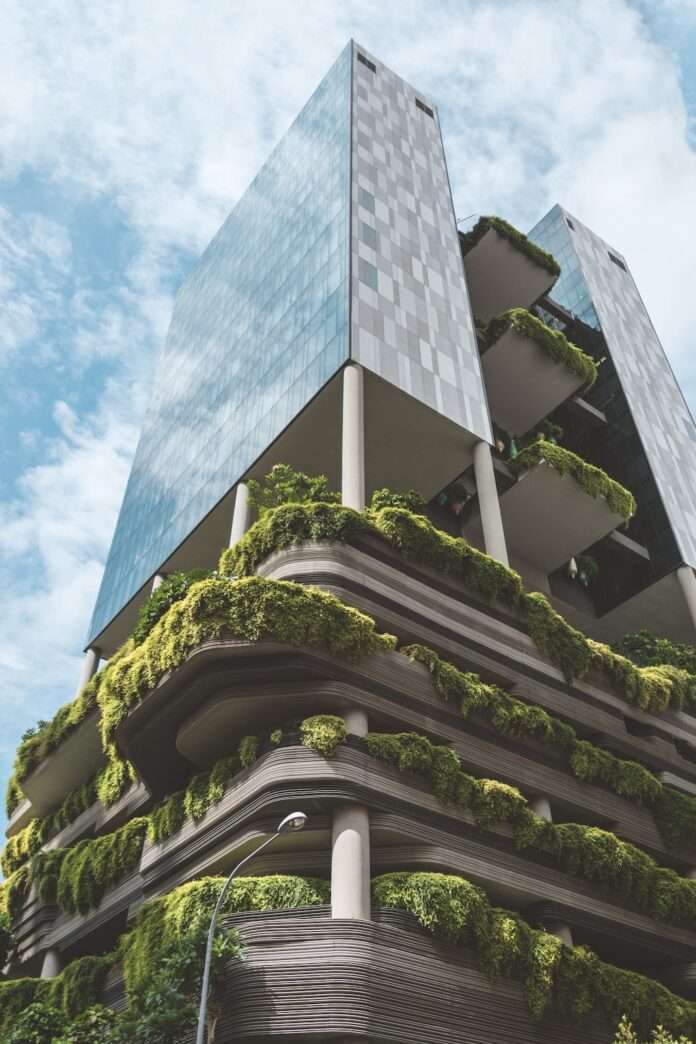
One fascinating manifestation of eco art’s ethos is eco brutalism—a blend of sustainability and the raw, uncompromising lines of brutalist architecture. Where once brutalism was critiqued for its stark austerity, eco brutalism breathes new life into this style, incorporating eco-friendly building materials and energy-efficient designs. It is a style that wears its ethics proudly, transforming buildings into singular statements of environmental respect.
But is eco brutalism merely a fleeting architectural trend or the dawn of a built environment that educates and inspires? The choice to champion energy-efficient materials and solar technologies, while embracing the imposing concrete forms, exemplifies how sustainability can merge with seemingly contradictory design philosophies to forge compelling contemporary art.
The Palette of Purpose: Materials and Methods in 2026
Artistic materials have traditionally been bound by availability, convenience, and cost. However, in 2026, selecting a medium for an eco art piece involves an intricate calculus of environmental impact, renewability, and life-cycle sustainability. Creators now scout for biodegradable pigments, repurpose industrial waste, and revive ancient craft techniques that leave a softer footprint.
Does this limitation enhance creativity by inspiring innovation, or does it hamper the freedom that art thrives upon? Far from constraints, many artists report that this ethos ignites bold experimentation—transforming discarded plastics into vibrant installations or forging living walls from moss and native plants. This integration of natural processes challenges the permanence traditionally desired in art, posing a thrilling paradox: art that evolves, decays, or even regenerates over time.
Green Narratives: Storytelling in Sustainable Art

Sustainability is not merely a physical characteristic of eco art but a narrative thread woven through the creative process. Art in 2026 is laden with stories about climate resilience, community collaboration, and the symbiotic relationship between humanity and nature. These narratives invite audiences to participate in a collective consciousness—a dialogue between creator and observer about responsibility, renewal, and respect for the planet.
Could this infusion of ethos in storytelling challenge conventional art consumption? It undoubtedly upends passive appreciation, urging viewers to engage, question, and perhaps even take action. Eco art becomes a living dialogue, oscillating between beauty and urgency, imagination and accountability.
Ethos, Pathos, and Logos: The Rhetoric of Sustainable Art

Drawing parallels with classical rhetoric, sustainable art deploys ethos as its foundational appeal. Unlike logos, which champions logical argument, or pathos, which tugs at emotional strings, ethos establishes credibility through authenticity and integrity.
In this framework, artists embody the ethical stance they advocate. Their work becomes a testament to personal and collective conviction—transforming the gallery space into a forum for moral discourse. The challenge, however, lies in maintaining this ethos across scales and markets without succumbing to commodification or greenwashing.
Can an art world so deeply intertwined with commercial forces preserve the sanctity of sustainability as an ethos rather than an exploitative selling point? This is a conundrum that will likely shape the trajectory of eco art for decades.
Conclusion: The Enduring Pulse of Eco Ethos
As the sun sets on 2026, it becomes increasingly clear that sustainability within the arts is not a temporary dalliance or aesthetic whimsy. It is, instead, an ethos—an enduring call to re-envision creation as an act laced with ecological mindfulness and ethical accountability. The playful question posed at the outset—Is sustainability just a style or a profound ethos?—reveals itself as a doorway rather than a conclusion.
In embracing sustainable art, society faces a challenge and an opportunity: to foster a culture where creativity flourishes hand in hand with stewardship. The artists who inhabit this landscape are not merely producers of beauty but custodians of a fragile world, tasked with translating complex environmental narratives into tangible, transformative expressions.
Sustainable art invites us all to participate, ponder, and perhaps most importantly, to act. For when ethos guides creation, the boundaries between art and life blur, igniting a future where every brushstroke, every chisel mark, every ecological gesture pulses with meaning and hope.


Leave a Comment