

What if the very colors that have painted the annals of art history are now at the heart of a cultural conundrum? In a world increasingly enamored with technological innovation, synthetic pigments have surged onto the scene, promising vibrancy, consistency, and accessibility. Yet, beneath this iridescent veneer lies a simmering debate, one where artists grapple with questions of authenticity, ethics, and artistic sovereignty. Why are so many creators turning away from synthetic hues and embracing an age-old palette of natural pigments? The politics of pigment is more intricate than it appears at first blush—where science meets soul, commerce meets creativity, and tradition challenges modernity. Let’s embark on a chromatic journey through this fascinating landscape.
Chromatic Revolution: The Rise of Synthetic Pigments
The invention and proliferation of synthetic pigments heralded a watershed moment in art history. Gone were the days when artists scrambled for scarce lapis lazuli or crushed cochineal insects for red dye. Chemical ingenuity gave birth to bold shades—brilliant blues, radiant reds, and glimmering greens—that were affordable and reproducible on an industrial scale. This democratization empowered artists across social strata, illuminating canvases that might otherwise have remained bleak. Synthetic mica-based pearlescent pigments, for example, have transformed the surface texture of artworks, lending an ethereal glow that natural pigments could rarely achieve.

Yet, this revolution was not without its discontents. The newfound uniformity and ubiquity of synthetic colors sometimes stand accused of diluting the unique fingerprint of the artist. The question arises: does the convenience of synthetic hues come at a cost to creativity’s raw spirit?
Tarnished Surface: Ethical and Environmental Quandaries
Beyond aesthetics lies a tapestry of ethical and ecological tensions. The manufacture of synthetic pigments often involves complex chemical processes, some of which raise alarms among environmentalists. Toxic byproducts, non-biodegradable residues, and the carbon footprint associated with mass production fuel a growing unease. Artists, who frequently feel an intrinsic connection to nature, find themselves pondering the ecological ramifications of their materials.
Moreover, the social implications of pigment sourcing cannot be ignored. While natural pigments may be harvested through centuries-old artisanal traditions, synthetic pigments typically emerge from corporate pipelines, distancing the act of creation from cultural heritage and human craftsmanship. This commodification prompts artists to question their complicity in perpetuating systems that prioritize profit over planetary preservation.
Chromophobia and Cultural Gatekeeping
An intriguing facet of pigment politics also lies in the realm of institutional influence. Museums and galleries have increasingly started rejecting certain synthetic artworks, igniting debates around authenticity and artistic value. Is there an unspoken chromophobia—an aversion to artificial colorations—guiding curatorial decisions? This bias reconfigures the art world’s gatekeeping mechanisms, where the materiality of pigment becomes intertwined with debates over what constitutes “true” art.
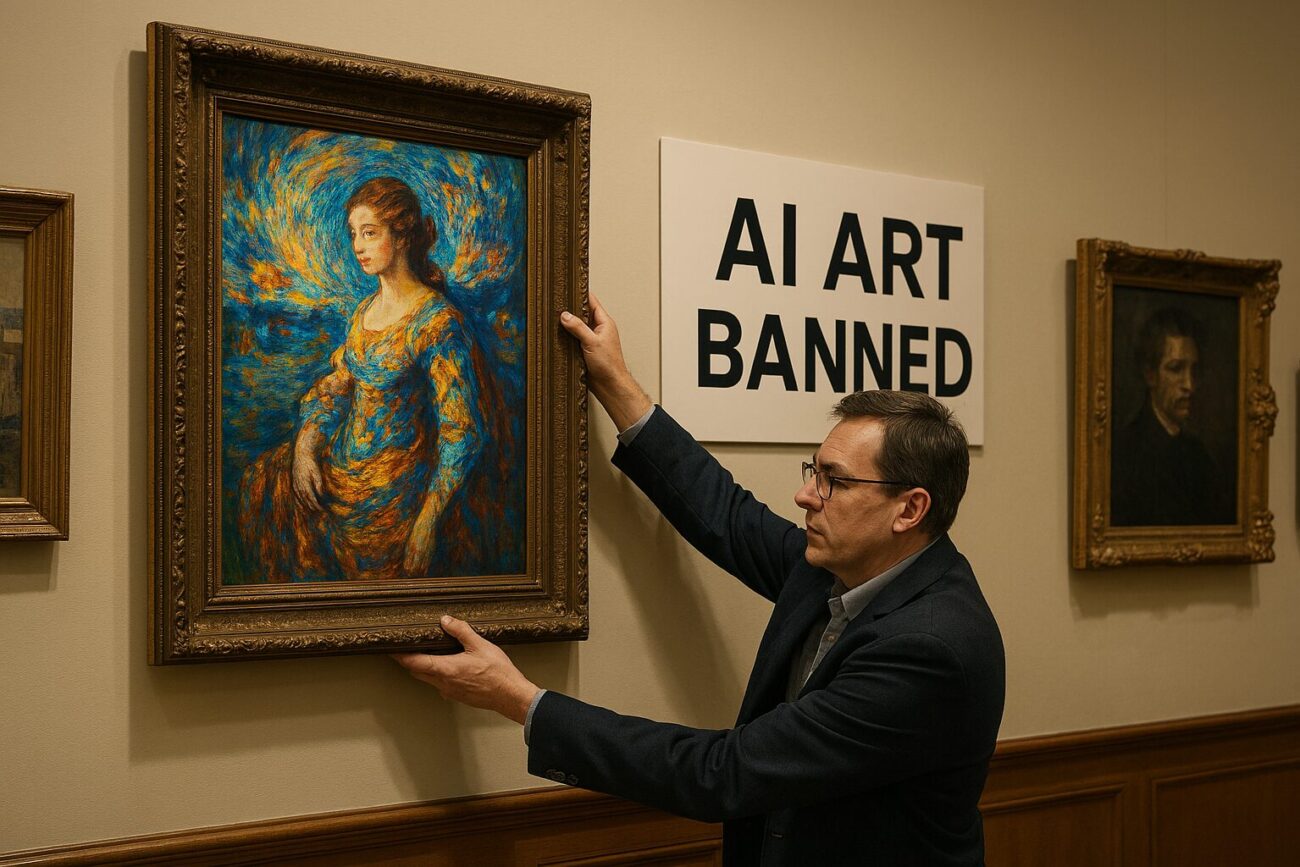
Artists find themselves entangled in this nexus of approval, navigating the tension between innovation and acceptance. The rejection of synthetic colors by prestigious art venues challenges creators to redefine artistic legitimacy in the 21st century.
The Aesthetic Argument: Natural Versus Synthetic
Delving into the purely visual realm, a profound dialogue unfolds about the sensory differences between natural and synthetic pigments. Natural pigments, derived from minerals, plants, and insects, offer an organic warmth and unpredictability that many artists treasure. Their subtle variation, texture, and even imperfection imbue artworks with depth and humanity.
In contrast, synthetic pigments boast unparalleled precision and brilliance. They hold unparalleled staying power and resist fading when exposed to light. However, some purists argue that such perfection can lead to a sterile uniformity, erasing the artist’s individual signature and the emotional resonance embedded in natural materiality.
Reclaiming Authenticity: Artists’ Responses and Movements
In response to the challenges posed by synthetic pigments, a vibrant counter-movement thrives. Artists are seeking to reclaim authenticity through the revival of traditional pigment preparation techniques and by embracing materials with historical provenance. Workshops dedicated to grinding earth pigments or harvesting botanical dyes have seen resurgent popularity.
This renaissance is not merely nostalgic; it is a conscious reclamation of agency and identity in an art world overwhelmed by mechanization. By selecting and processing their own pigments, artists embed layers of meaning and intention in their palettes, crafting works that resonate with tactile and conceptual richness.
Looking Forward: The Future of Color in Art
So, what lies ahead in the kaleidoscopic interplay between synthetic innovation and natural tradition? Emerging technologies promise pigments that straddle ethical, aesthetic, and environmental demands—biodegradable synthetics, pigments synthesized through green chemistry, and hybrid compounds blending the best of both worlds.
The politics of pigment will undoubtedly continue to evolve as artists assert their voices in material discourse, demanding transparency, sustainability, and respect for heritage. This dynamic negotiation challenges creators and audiences alike to reconsider the essence of color not just as a visual element but as a societal and cultural artifact.
Ultimately, the debate surrounding synthetic versus natural pigments transcends mere palette choices. It is a mirror reflecting deeper questions about creativity, responsibility, and belonging in a world that is simultaneously embracing progress and yearning for authenticity. As the colors on an artist’s palette jar, blend, or glow, they summon a narrative that is as much about human identity as it is about art—inviting us all to rethink the hues with which we paint our stories.


Leave a Comment