

In the fertile depths of creativity, where tradition intertwines with innovation, a new breed of visionaries emerges—artists who wield the earth itself as their canvas. These are the Soil Painters, avant-garde artisans who transform humble dirt into vibrant tapestries of cultural storytelling and visceral expression. Their work transcends conventional boundaries, inviting viewers to reconsider notions of artistry, materiality, and our intrinsic bond with the land. To witness their craft is to experience an alchemy that melds pigment and pedigree, yielding masterpieces born not from synthetic palettes, but from the rich, loamy womb of the earth.
The Alchemical Medium: Dirt Reimagined
At first glance, soil might seem an unassuming element—ubiquitous and overlooked. Yet, for these pioneers, it is much more than mere earth. Soil becomes a metaphorical reservoir of history, memory, and identity. The tactile graininess, the kaleidoscope of hues ranging from ochres to umbers, embody a raw authenticity that synthetic paints cannot replicate. In their hands, dirt is not dirt; it is a living archive.
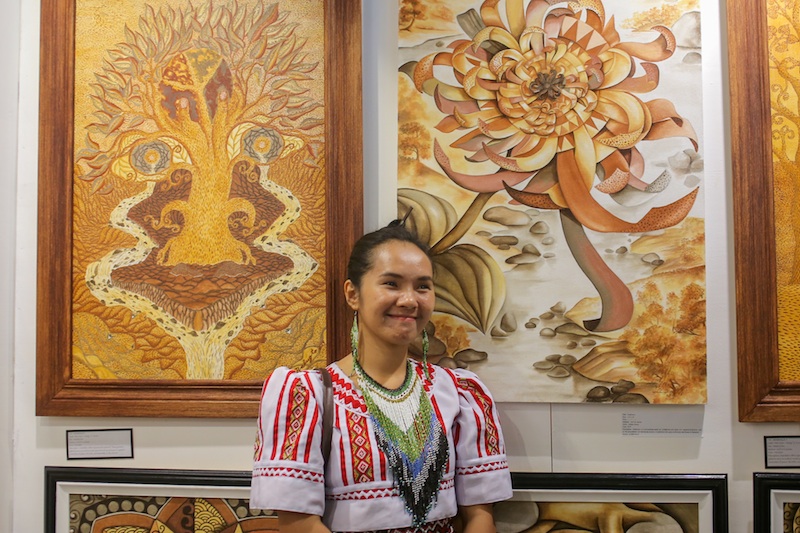
The Soil Painters derive their pigments directly from the terrain, gathering clays and minerals that resonate with local geographies. Each speck carries with it tales of ancient stratifications, ecosystems, and the very physical history of the land. This connection confers a resonance upon their artworks, an almost palpable tether between viewer, artist, and environment.
Avant-Garde Meets Earth: A Radical Reclamation
The Soil Painters operate at the electrifying crossroads of avant-garde art and primal materiality. Their pioneering spirit recalls the audacity of early modernist revolutions but channels it into an earthy lexicon of creation. In choosing soil, they eschew the conventional veneer of refinement for a rawness that radiates purity and potency.
This radical reclamation challenges established paradigms of what constitutes art’s ‘proper’ materials. It invites viewers to confront their biases surrounding beauty and legitimacy, encouraging a deeper contemplation of the relationship between culture and nature. In this avant-garde ferment, the earth itself is a collaborator—its natural imperfections and textures integral components of the final piece.
Colors of the Earth: A Palette Born from Nature’s Palette
Unlike synthetic pigments bound by chemical formulas, the colors derived by Soil Painters are born from the land’s own palette. These natural pigments sway with seasonal variations, soil types, and mineral compositions, creating an ever-shifting spectrum of hues that reflect the environment’s vitality. The colors are not simply chosen; they are discovered, unearthed.
Within this chromatic vernacular lies a primal narrative. Reds that whisper of iron-rich clays invoke the bloodstream of the land’s history; yellows and ochres echo sun-drenched fields and autumnal decay. The palette is a dialogue—a silent yet eloquent chant of origin, place, and transformation. It possesses an immediacy and authenticity that synthetic colors, no matter how vivid, rarely achieve.
Techniques Rooted in Tradition and Innovation
The Soil Painters’ methodology weaves ancestral techniques with contemporary artistry. Some employ pulverization and binding agents derived from natural resins to fix soil pigments onto canvas or wood, while others experiment with layering, texturing, and even soil’s natural adhesive qualities. Brushstrokes trace ritualistic movements, marrying the artist’s body and the landscape from which their materials come.
These techniques are imbued with ritual significance, recalling indigenous practices that treated earth as sacred rather than subordinate. Thus, every stroke is both an artistic gesture and an act of homage—infusing each work with layers of cultural resonance.
The Environmental Ethos: Art as Earth Stewardship
The Soil Painters embody an ecological conscience that resonates deeply within our current era of environmental crisis. By choosing soil as their medium, they highlight the fragility and profundity of the natural world. Their craft is a form of stewardship, a visual reminder of the earth’s generosity and an implicit call to honor and protect it.
This environmental ethos transcends aesthetics, rooting their work in activism and awareness. They challenge not only artistic conventions but also the trajectory of humanity’s relationship with the planet. Each artwork becomes a manifesto—an invitation to pause, reflect, and reconnect with the substratum of life itself.
A New Narrative: Bridging Earth and Identity
The Soil Painters’ art is more than visual spectacle; it is a profound narrative of cultural and ecological identity. Each piece is a textured palimpsest, encoded with stories of place, ancestry, and belonging. The medium itself, soil, is a potent symbol of roots and resilience—especially poignant for communities whose histories are intertwined with particular landscapes.
Through their work, the artists forge a living archive of land-based memory. They articulate a reclamation of space and self, defying erasure and disconnection. This artistry becomes a vessel for personal and collective histories, layered like the strata of the earth itself.
Conclusion: The Enduring Legacy of Earth’s Palette
The Soil Painters are more than artists; they are alchemists of the earth’s quintessence, animating soil’s mute depths with color, form, and meaning. Their work challenges the rigid dichotomies of nature and artifice and breathes new life into forgotten mediums. It reminds us that the earth beneath our feet is both a source and a symbol—a metaphorical thread weaving through the fabric of human creativity.
As they continue to reimagine and redefine the boundaries of art, the Soil Painters invite us to see the world through a richer, more textured lens—one in which dirt is not dirt, but a dazzling mosaic of stories, histories, and dreams waiting to be unearthed.


Leave a Comment