

Have you ever stopped to wonder if the bark of a tree holds more than just protection? When a mighty deciduous tree sheds its outer layers, what secrets does the intricate texture beneath reveal? The bark, often dismissed as merely a rugged shield, unfolds like a fascinating tapestry of natural artistry—each fissure, ridge, and knot telling tales of time, weather, and resilience. But can we truly appreciate bark’s aesthetic essence beyond its biological function? This playful riddle invites us to explore the captivating world of bark as an unexpected form of textural art.
The Enigmatic Texture of Deciduous Bark
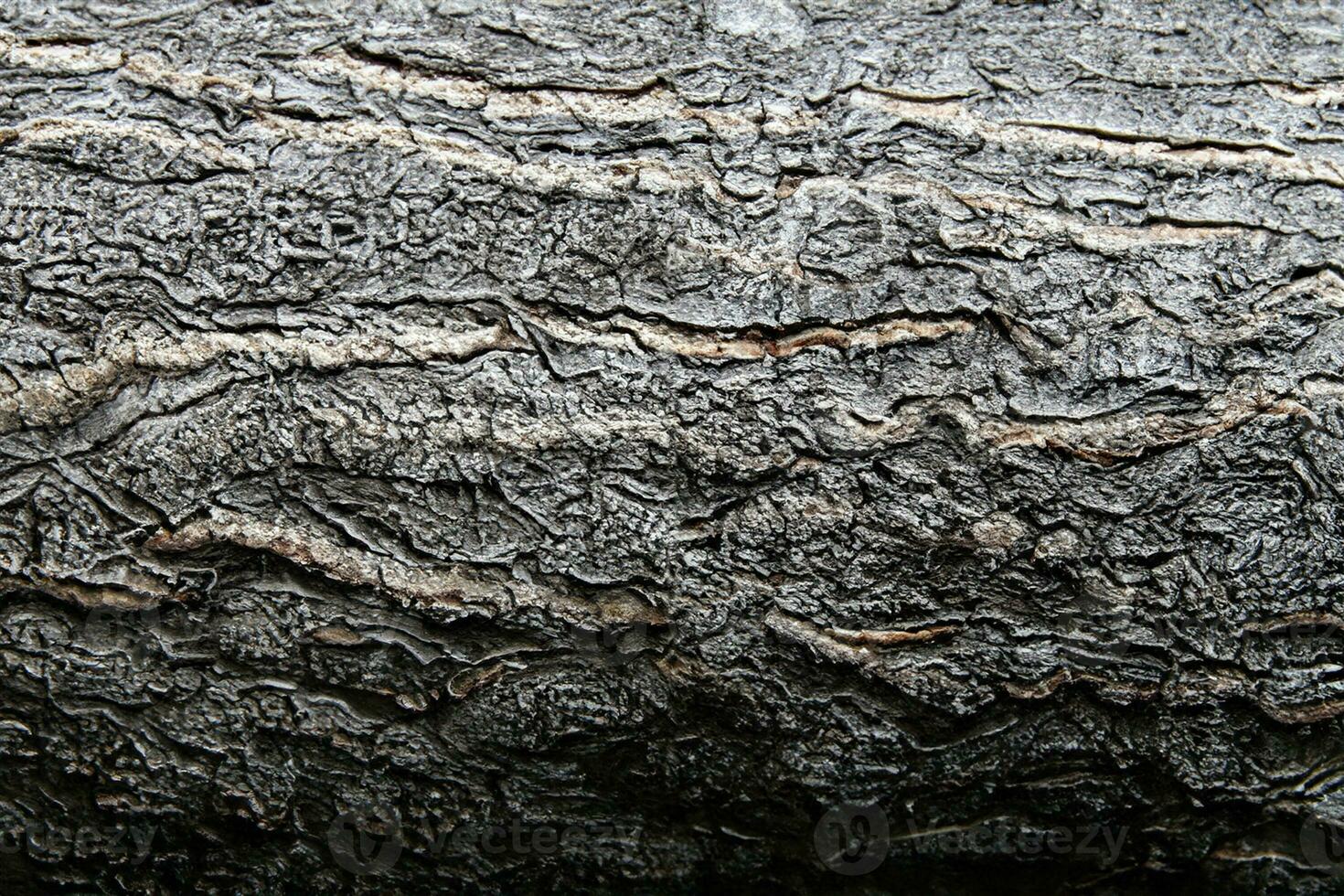
Stepping closer to a fallen deciduous tree, the bark immediately captivates with its labyrinthine design. Unlike the uniform smoothness of some trees, deciduous bark is a canvas marked by rugged complexity. Its crevices and undulations morph in unpredictable ways, creating a surface that stimulates the senses. This textural variation is not random; it is a living record of environmental caresses—rain, wind, sunlight, and the slow passage of seasons. Each tree tells its own history, carved in grooves and armored with flakes that catch the light differently at every hour of the day.

Exploring these natural motifs reveals a world far richer than one might suspect. The bark’s surface, reminiscent of cracked leather or earth itself, embraces a dynamic interplay between erosion and growth. Its tactile profile invites the curious to run their fingers along the ridges, discovering a paradox of rough exterior and life-sustaining function.
Nature’s Palette: Color and Pattern Variations
One might think of bark purely in shades of gray and brown, but in reality, it boasts a spectacular palette. Deciduous bark carries subtle hues that shift and shimmer depending on moisture, age, and species. Flecks of mossy green, tinges of silvery gray, and even warm chestnut flicker across its surface, rendering it a natural mosaic. Patterns emerge—stripes, scales, even swirling calligraphic signatures that evoke brush strokes on canvas.

This chromatic and pattern diversity is more than aesthetic; it serves as a survival mechanism. The interplay of color and texture helps camouflage trees within their surroundings, deterring predators and pests while allowing the bark to regulate temperature and moisture. Yet, when viewed through an artist’s eye, these survival traits merge into textural art pieces of astonishing beauty and complexity.
The Challenge of Capturing Bark’s Essence in Art
How does one encapsulate such intricate natural textures in artistic renderings? The challenge is steep but rewarding. Bark’s fine granularity and multi-dimensionality resist two-dimensional replication. Photographers and painters grapple with rendering its depth—the way light bends across ridged patterns or shadows gather in fissures. The tactile sensation of bark, almost coarse yet supple beneath fingertips, further complicates artistic expression.
The efforts of AI-generated imagery have stepped in to bridge this gap, cleverly synthesizing the bark’s complexity by layering patterns and mimicking natural irregularities. This technological infusion brings a fresh perspective, illustrating how modern tools can enhance our understanding and appreciation of bark’s textural artistry without removing us from its organic roots. Yet, technology can only echo nature’s masterpiece; experiencing bark firsthand still stirs the deepest connection.
Bark as a Symbol: Resilience and Passage of Time
Beyond its tangible allure, bark embodies metaphorical significance. It represents a shield against adversity, a silent witness to the passage of time. Each scar etched upon its surface whispers stories of storms endured, seasons survived, and wildlife accommodated. In this way, bark transcends its physicality to become a symbol of endurance and transformation.
When a tree falls and its bark lies exposed to the elements, its textural artistry becomes even more prominent. It’s as if nature’s hand has paused to grant us a closer glimpse at its craftsmanship—revealing layers and details usually hidden in the forest’s embrace. The bark becomes an open book, chronicling the lifecycle of the tree with a language of textures and tones.
Incorporating Bark’s Texture into Human Creativity
Humans have long been inspired by the tactile and visual qualities of bark. From rustic furniture to intricate sculptures, the rough-hewn beauty of wood’s outer skin informs many creative endeavors. Artisans often preserve bark textures in their work, celebrating its unpredictability and organic patterns as a counterpoint to manufactured perfection.
Interior design trends occasionally feature bark wall coverings or bark-inspired materials, inviting the outdoors inside. Such designs tap into the primal connection to nature, evoking tranquility and a tactile engagement that smooth surfaces cannot replicate. This tactile dimension enriches living spaces, reminding us of the subtle artistry inherent in fallen trees and their enduring textures.
Rediscovering Beauty in the Overlooked
Ultimately, the study of bark as textural art challenges us to shift our perspective and appreciate the overlooked. This rugged façade, often dismissed as mere arboreal armor, invites us to pause and admire an extraordinary form of natural design. It is an invitation to find wonder in the gritty details, to embrace imperfection as beauty, and to acknowledge that art need not always be polished or refined.
Next time you wander through a forest or park, dare to bend low and study the bark of a fallen tree. Trace its grooves, admire its variegated patterning, and let your imagination interpret the story it tells. In doing so, you embark on a journey of discovery—one that celebrates resilience, textures, and the boundless creativity of the natural world.
The bark, in all its rugged grandeur, is more than tree skin; it is a testament to nature’s artistry, a tactile chronicle of life’s enduring dance.


Leave a Comment