

Imagine a world where the noxious haze that chokes our cities does not merely signify decay and despair, but instead becomes the very pigment that breathes new life into art. This mesmerizing paradox sits at the heart of a revolutionary movement—artists alchemizing pollution into paint. This transformative practice not only redefines the boundaries of artistic expression but also promises a profound shift in how we perceive environmental contamination. No longer is pollution just a looming threat to health and aesthetics; it metamorphoses into a powerful symbol of resilience, creativity, and hope.
From Menace to Medium: The Innovative Alchemy of Pollution Paint
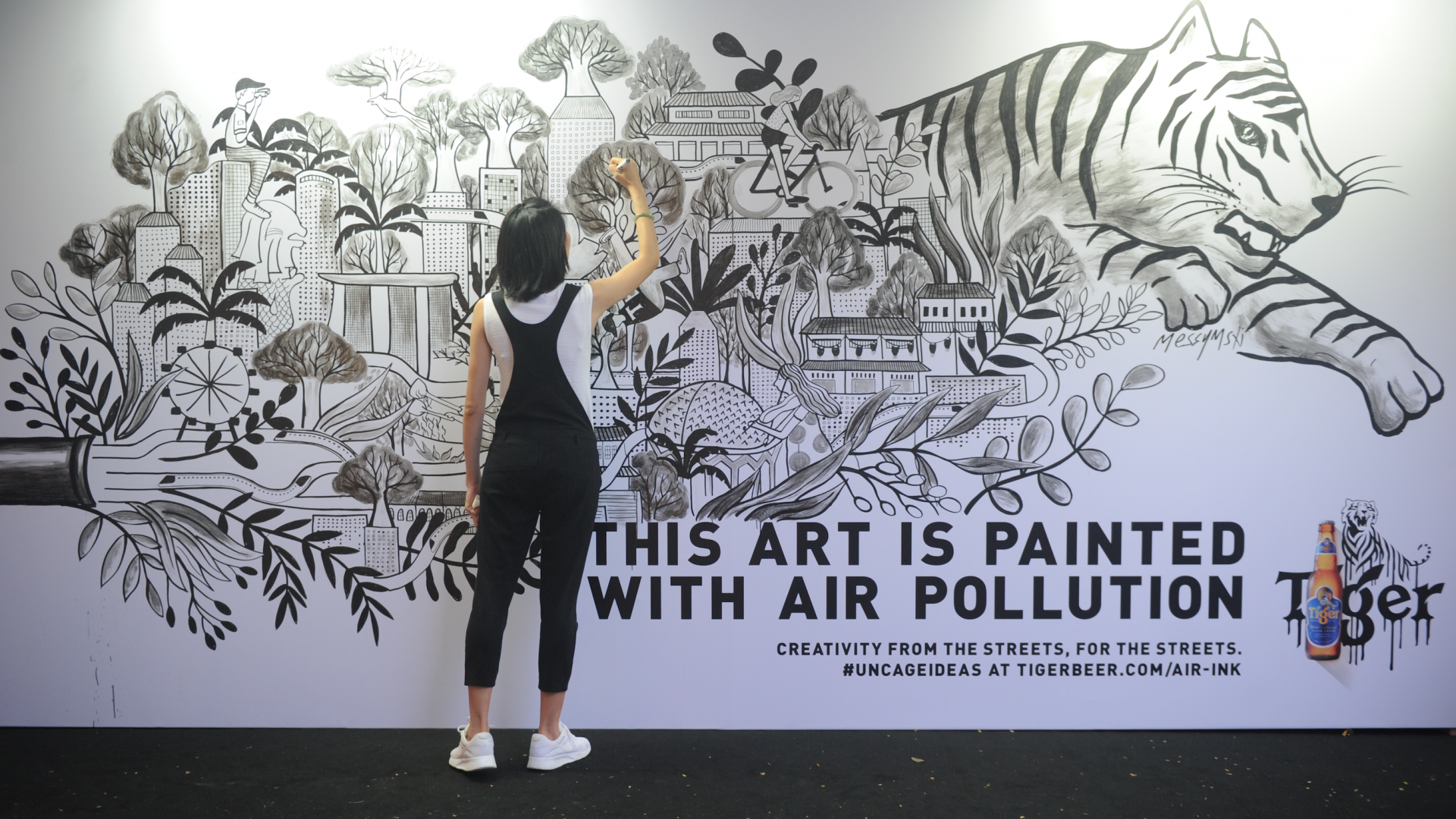
Pollution, particularly air pollution, is traditionally regarded as a universal scourge—an invisible, insidious villain contaminating the very breath we take. Yet, in an extraordinary twist of ingenuity, artists and environmental innovators have tapped into this toxicity and distilled it into something unexpectedly beautiful. By capturing particulate matter—fine dust, soot, and other pollutants suspended in the air—and converting it into ink or paint, these pioneers are not simply crafting new materials; they are crafting new narratives.
The process involves high-tech filtration devices that collect airborne particles directly from the polluted environment. These particles are then meticulously processed to remove hazardous elements and reborn as a pigment base. The result is a charred, often rich black or gray pigment that carries the physical essence of urban air quality. Painting with this material, artists embed not only color but also the story of the atmosphere they’ve purified.
Art as Activism: Reframing Pollution Through Creative Expression
When artists choose pollution as their palette, they automatically enter the domain of activism. These artworks transcend aesthetic appeal and beckon viewers to reconsider the environment they inhabit. What once was dismissed as a background health hazard becomes a focal subject; a tangible artifact of the invisible threats looming overhead.
The implications are profound. By harnessing pollution itself, artists compel communities to confront the reality of their ecological footprint. This confrontation is neither accusatory nor abrasive—it is evocative. It demands reflection, conversation, and, ultimately, change. The art’s existence does more than beautify spaces; it embodies the hope that harmful pollutants can be turned into agents of inspiration, sparking innovation in both thought and policy.
The Technical Marvel Behind Pollution-Based Paints
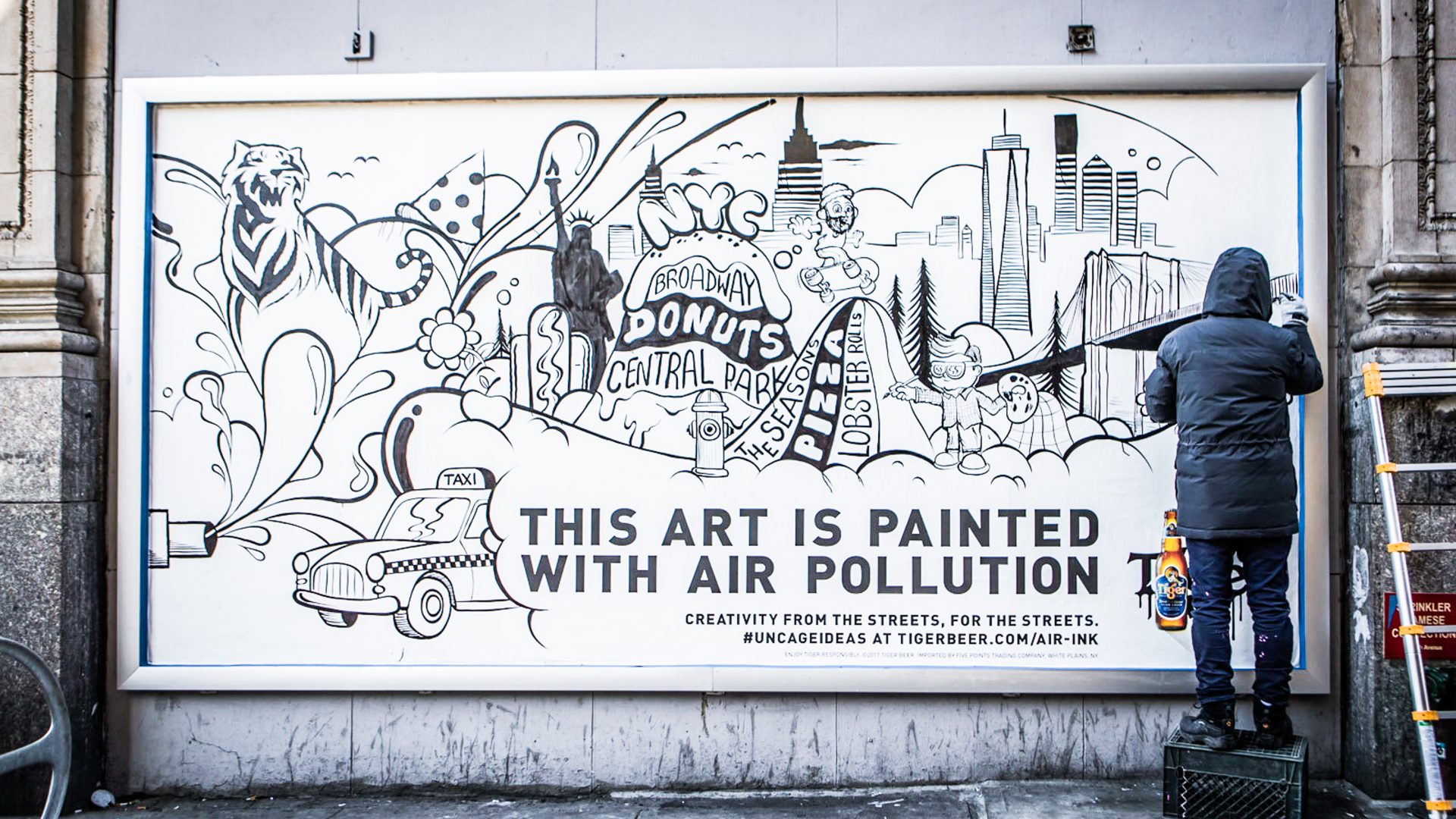
Behind the seemingly magical conversion is a rigorous scientific methodology. The core of this innovation lies in advanced particulate capture technologies. These devices, stationed strategically in polluted urban centers, siphon ambient air and isolate solid particles down to microscopic dimensions. The ingenuity lies in the dual action of environmental cleanup coupled with creative resource generation.
Once collected, the particulate matter undergoes purification to eliminate metals and dangerous impurities. After processing, the carbonaceous residue serves as a pigment mixed with traditional binders to form highly versatile inks and paints. These materials exhibit a unique texture and depth—colors that echo the intimate story of their origin.
Such synergy between environmental engineering and materials science expands the palette available to artists worldwide and demonstrates an inspiring model of circular innovation. The fusion of art and science here extends beyond aesthetics—it is a poignant dialogue between human ingenuity and planetary stewardship.
Cultural Implications and the Future of Pollution-Derived Art
Embracing pollution as medium ignites a discussion about culture, consumption, and sustainability. These artistic experiments reflect a critical juncture where humanity’s creative aspirations meet the urgent need for environmental responsibility. The artworks crafted from polluted air challenge the cultural inertia that often shrouds climate issues, urging viewers to embrace complexity and agency simultaneously.
Looking ahead, the potential applications of pollution-based pigments are extraordinary. Beyond gallery walls, such materials could inform educational programs, public installations, and even commercial products with a story as captivating as their function. Imagine walls painted with the very grime once relegated to invisibility, or fashion adorned with inks that narrate tales of urban endurance.
This approach encourages a mindfulness that seeks beauty in transformation and power in reclamation. It reframes pollution not as a hopeless scourge but as a canvas for new beginnings.
Conclusion: Inspiration in the Ashes of Pollution
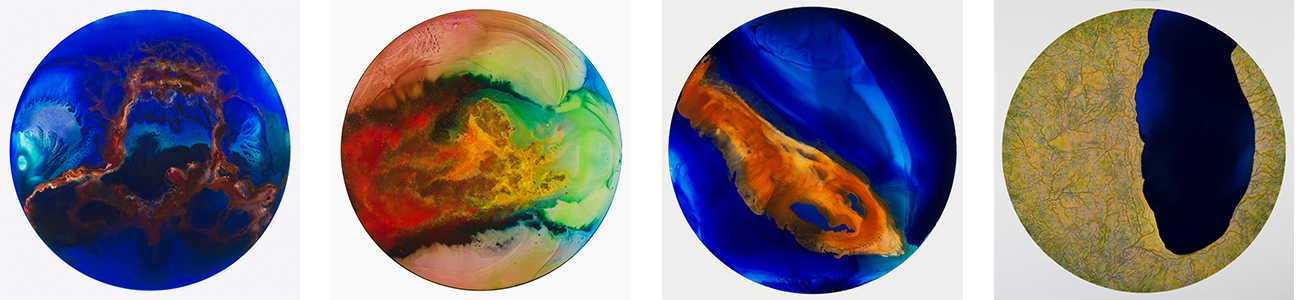
In the alchemy of art and environment, pollution evolves from an enemy into an intriguing muse. This extraordinary paradigm shift offers more than aesthetic innovation; it provides a profound commentary on resilience and possibility. The transformation of noxious particles into paint is a metaphor for human capacity to regenerate and reimagine—a testament to creativity’s power to transmute crisis into opportunity.
As these artworks captivate, educate, and inspire, they invite us to reconsider the air we breathe and the world we inhabit. The artist as alchemist challenges us to see pollution not solely as a menace but as a catalyst for change—a source for pigments in a new, hopeful spectrum. This unexpected medium promises a vision of art and ecology harmoniously intertwined, lighting the way toward a future where even the most daunting problems can be colored with hope.


Leave a Comment