

Have you ever wondered what happens to the artwork adorning your walls when its story reaches a natural conclusion? Imagine if your next art purchase could dissolve back into the earth, leaving no trace but fertile soil and blooming possibility. The notion of compostable art challenges long-held perceptions of permanence and exclusivity in the art world. It playfully asks: What if art could be as transient and regenerative as a blossoming flower or a fallen leaf?
The Rise of Compostable Art: A Harmonious Dialogue with Nature
Art has traditionally been celebrated for its durability—canvas, metal, and stone herald its longevity. Yet, the evolution of eco-conscious creativity brings forth a revolutionary question: Should art be designed to return to the earth from which it springs? Compostable art embodies this philosophy, crafted from organic, biodegradable materials that can break down naturally. This paradigm shift sparks a profound transformation in how art interacts with the environment.
Creating and purchasing compostable art offers a compelling alternative to the wasteful practices commonly associated with traditional art materials. Instead of contributing to landfill overflow, these innovative pieces serve as a reminder of impermanence, lifecycle, and sustainability. The very composition of such works emphasizes a symbiotic relationship between artistic expression and ecological responsibility, melding creative ingenuity with environmental stewardship.
Material Alchemy: From Organic Origins to Living Masterpieces
The artistry in compostable creations lies not only in visual appeal but in the materials themselves. From plant-based inks and natural fibers to biodegradable resins and soil-enriching pigments, artists are pioneering the use of substances that flourish beyond their aesthetic purpose. Imagine a portrait painted with pigments extracted from fallen leaves or sculptures woven from hemp and bamboo fibers, each element tracing a seamless path from nature to gallery and back to the earth.

This material alchemy is not mere novelty; it is a deliberate choice to infuse every brushstroke and texture with ecological mindfulness. These materials break down gracefully after their display, enriching soil and fostering new growth rather than burdening waste systems. A compostable artwork thus becomes a living narrative—one that completes a cyclical journey by nurturing the very environment that inspired it.
Evolving Aesthetic Values: Celebrating Impermanence and Transformation
What if the inevitable decay of art is embraced, rather than feared? Compostable art invites audiences to rethink the aesthetics of transience. Impermanence becomes part of the artwork’s essence, honoring change rather than resisting it. This challenges collectors to appreciate the temporal beauty of a piece that may evolve, fade, or even disappear completely.
Such art thrives on the paradox of evanescence and impact. The ephemeral nature encourages deeper engagement with the present moment, sparking conversations about sustainability and lifecycle awareness. In this way, choosing compostable art is not merely an aesthetic decision but a philosophical one. It is a celebration of transformation, resilience, and rebirth—qualities that resonate deeply in an era demanding sustainable consciousness.
The Environmental Imperative: Reducing Waste and Carbon Footprints
Art isn’t exempt from the environmental footprint of human creation. Plastics, synthetic paints, and non-recyclable canvases contribute heavily to pollution and resource depletion. Traditional art production often entails significant carbon emissions—from manufacturing raw materials to transport and packaging.
Compostable art offers a clear solution to this pressing issue. Its eco-friendly components drastically cut down environmental costs, aligning art practices with the urgent need to reduce waste and mitigate climate change. Ownership of compostable art thus becomes an act of environmental advocacy, reinforcing a commitment to sustainable lifestyles through tangible, aesthetic choices.
Empowering Artists and Communities Through Sustainable Innovation
Innovating with compostable materials also empowers artists and communities. Many artisans are exploring local, renewable resources that promote circular economies and support indigenous knowledge. For example, utilizing agricultural by-products not only reduces waste but uplifts regional economies—encouraging stewardship over local habitats and traditions.
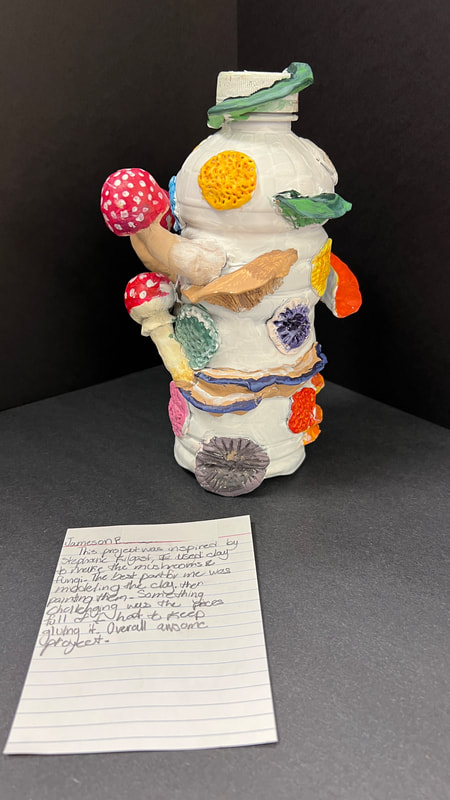
Community-driven art projects that prioritize compostability engage participants in hands-on sustainability education. This tactile experience fosters deeper connections between people and their surroundings, cultivating an ethos where art becomes a vehicle for environmental literacy and collective empowerment.
Confronting Preconceptions: The Challenge of Valuing Compostable Art
Adopting compostable art poses a delightful challenge to entrenched art market conventions. Questions arise: Can a piece destined to deteriorate hold value akin to traditional, long-lasting artworks? How do collectors reconcile the desire for permanence with the ethical imperative of impermanence?
These questions are invitations to reassess notions of investment, legacy, and cultural significance. Compostable art prompts a redefinition of value that transcends physical longevity, emphasizing impact, message, and ecological consciousness. It encourages buyers and galleries alike to champion innovation, adaptability, and ethical responsibility as paramount criteria for art appreciation.
Practical Guidance: Integrating Compostable Art in Your Collection
Integrating compostable art into your collection requires thoughtful consideration. Like all art, care and context matter—display environments, lighting, and humidity play roles in its lifetime. However, the intentional temporality of these pieces can be a source of joy rather than concern.
Collectors may adopt rotational displays, showcasing art during its prime before returning it to nature. Documentation, photography, and storytelling serve as lasting archives of the work’s existence. This approach cultivates a dynamic relationship with art—one characterized by continuous renewal and reverence for both the creative process and the environment.
So, why should your next art purchase be compostable? Because it invites you to participate in an ecological renaissance, where beauty is transient yet transformative, where sustainability reigns supreme. It encourages a playful yet profound reimagining of art’s place in our world—one where creation and decay become partners in a timeless dance of life.


Leave a Comment