

Can a garden be more than just a collection of plants? Could it transform itself into a living masterpiece, a vibrant canvas that breathes, shifts, and evolves? Vertical gardens, often hailed as living tapestries, challenge conventional horticulture by elevating flora into the realm of fine art. They invite us to pause, reflect, and marvel at nature’s exquisite intricacies framed in novel dimensions. But might this fusion of green and design face its own set of horticultural conundrums? Delving into the world of vertical gardens reveals how creativity and ecology entwine in a dance as old as life itself, yet as fresh as the dew on morning leaves.
The Genesis of Vertical Gardens: Where Nature Meets Architecture
Vertical gardens, or green walls, defy the traditional horizontal sprawl of gardens by turning vertical surfaces into lush, living canvases. This art form finds its roots in ancient civilizations; the Hanging Gardens of Babylon often come to mind as architectural wonders marrying flora with stone. Today, the trend resurges with sophisticated systems and eco-conscious intentions.
By embracing walls as planting palettes, vertical gardens open a daring dimension where architecture and nature merge seamlessly. These structures aren’t mere decorations. They act as dynamic ecosystems, urban lungs that filter pollutants, reduce heat, and deliver tranquility in bustling cityscapes. The verticality itself challenges designers to envision upwards rather than outwards, pushing creativity beyond traditional frameworks.

The Artistic Language of Plants: Texture, Color, and Form
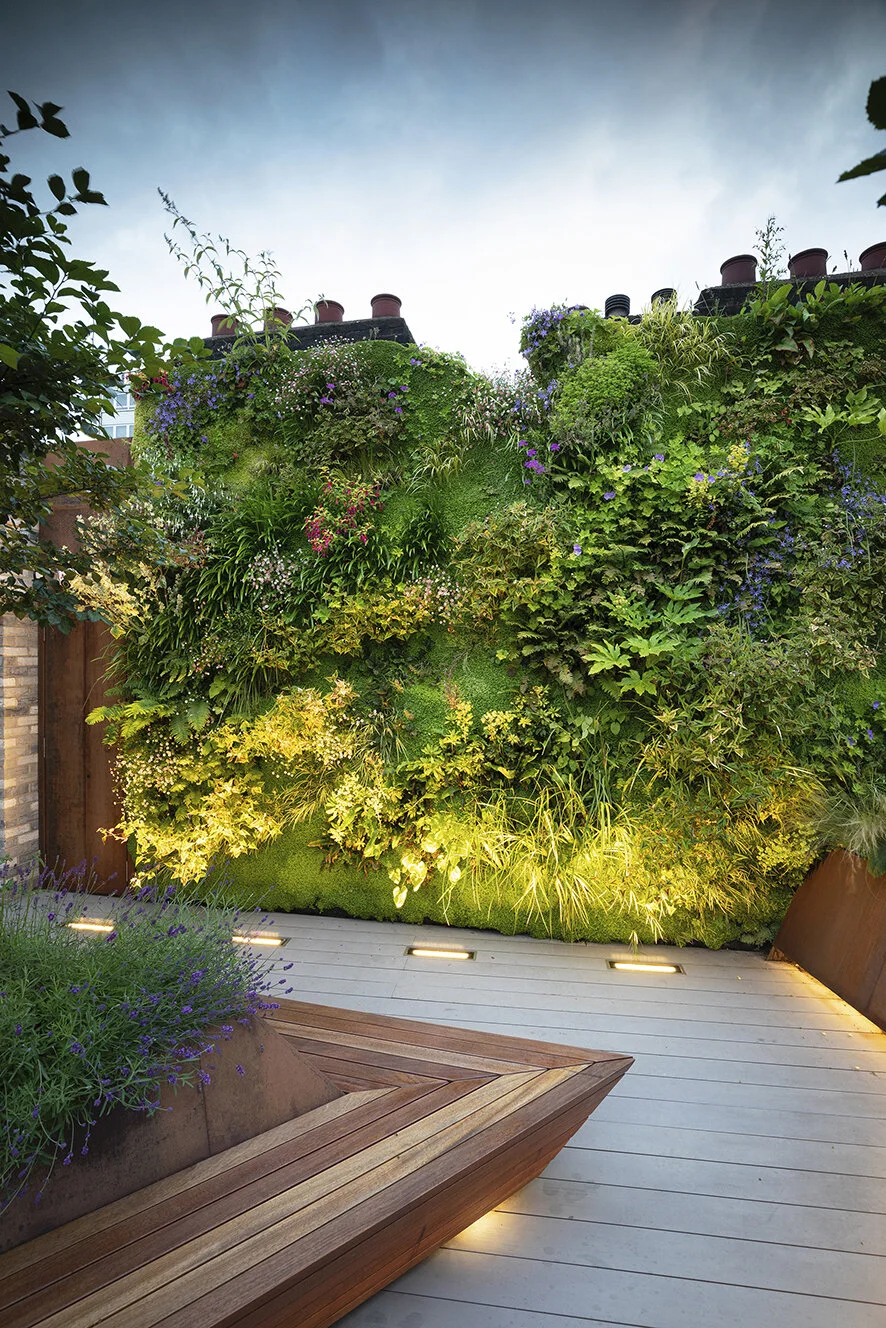
What if leaves, flowers, and vines could converse fluently in the language of form and composition? Vertical gardens speak through their texture contrasts, color gradations, and architectural shapes. Designers become visual poets, orchestrating plant species that contrast velvety moss with prickly succulents, vivid blooms with muted foliage, creating living mosaics that engage all senses.
The palette is infinite and the canvas boundless. Some vertical gardens employ monochromatic schemes that celebrate subtlety, while others explode into riotous chromatic symphonies. The three-dimensional layering suggests movement and depth, drawing viewers in to linger and discover hidden details. This conversational interplay elevates vertical gardens from mere greenery to evocative, sensory art installations.
The Symbiotic Challenge: Balancing Aesthetics and Ecology
But can this artistic wonder maintain itself without succumbing to practical pitfalls? The marriage of aesthetics and horticultural health presents a recurring challenge. Vertical gardens require meticulous choices in plant selection—species must not only complement in appearance but also share compatible water, light, and nutrient needs to thrive in confined root spaces.
Moreover, irrigation systems must be flawlessly designed to prevent overwatering in some pockets while neglecting others. The ephemeral nature of plants means continuous upkeep is imperative. Neglect threatens the integrity of the tapestry, blurring the line between artistic beauty and botanical decay. This constant tension pushes creators to become guardians as well as artists, balancing creativity with scientific precision.
Sustainability in Vertical Gardens: An Eco-Art Statement
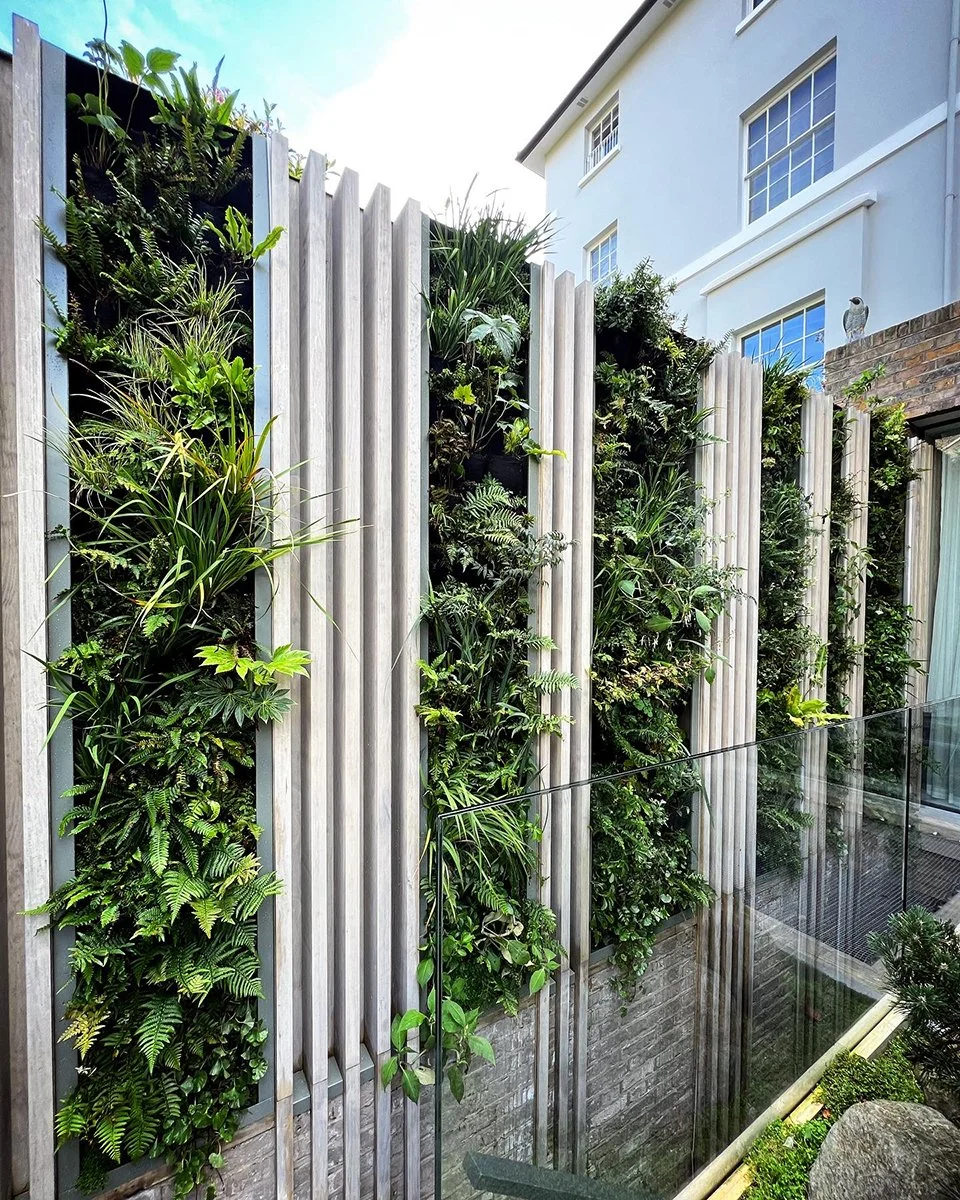
Beyond their aesthetic allure, vertical gardens champion sustainability in a world grappling with environmental degradation. Urban spaces, plagued by heat islands and polluted air, benefit profoundly from these green installations. By augmenting building insulation, improving air quality, and promoting biodiversity, vertical gardens embody a powerful eco-art manifesto.
Incorporating native and drought-resistant plants reduces water consumption. Using recycled materials for structural support underscores an ethical commitment. Vertical gardens become more than visual delight—they act as living, breathing exemplars of harmonious coexistence with nature.
Innovations and Future Horizons: Beyond the Green Wall
Technology propels vertical gardening into uncharted territories. Smart irrigation systems now adapt watering schedules to weather conditions, and sensors monitor plant health remotely. Cutting-edge materials mimic natural substrates more effectively, fostering healthier root systems.
Some visionary projects integrate art, technology, and sensory experiences, where plants respond to touch or changes in light with subtle movements or color shifts. Augmented reality overlays offer new ways to engage with vertical gardens as interactive meditative spaces or educational exhibits.
The future horizon warns of challenges too: urban planning regulations, climate unpredictability, and socioeconomic factors all influence how vertical gardens can flourish beyond a niche luxury and become standard bearers of green urbanism.
Living Tapestries: A Tribute to the Cycle of Life
Every vertical garden is a living narrative. It reminds us that art is not static; it grows, changes, and breathes with time. These verdant tapestries capture the ephemeral beauty of nature while embedded within our constructed environments. They challenge us to rethink how we interact with plants—not just as objects to be owned or observed, but as partners in co-creating spaces of wonder.
Far from merely decorative, vertical gardens push boundaries, inviting us to embrace complexity and impermanence in artistic expression. They ask us: are we willing to nurture this living art, embracing both its beauty and demands? In answering that, we forge a deeper connection to the natural world and redefine the very essence of art itself.


Leave a Comment