

There is an inexplicable allure in the way bark feels beneath our fingertips—the rough, ridged surface, so primal and grounded. Paired with the olfactory richness of soil, this tactile and aromatic duet invites a sensory immersion into the natural world. The interplay between the coarse texture of bark and the organic scent of earth presents a multi-sensory art form that has captivated humans for centuries. Beneath this seemingly simple observation lies a profound connection to our environment, evoking a tapestry of emotions, memories, and cultural significance that transcends everyday experience.
The Tangible Language of Bark
At first touch, bark tells a story etched in grooves, cracks, and rugged layers. It is a living chronicle of time—weathering storms, enduring seasons, and defending the tree’s inner sanctum. The texture of bark ranges from flaky patches to deeply fissured ridges, each species offering a unique tactile vocabulary. This tactile complexity invites us to decipher its nuances, an instinctual engagement that resonates with our innate curiosity.

Bark is more than just a protective sheath; it is an interface where nature communicates with the observer. Its roughness recalls resilience, a tangible reminder of survival against the elements. Running one’s fingers along bark reveals subtle variations—some parts smoother, others coarse—mirroring the diversity found in nature’s grand design. This physicality forms an irreplaceable connection, grounding us in the present as well as linking us to a more ancient, primal world.
The Earthy Symphony of Soil’s Scent
The aroma of soil is an olfactory portal to nature’s hidden wonders. Rich with the scent of decomposed organic material, minerals, and microorganisms, the earth’s scent is an intricate blend that signals fertility, life cycles, and growth. This fragrance, often described as earthy or loamy, is universally recognized and deeply woven into human memory.

The scent of soil is not merely a backdrop; it is an active agent in sensory art. It stirs primal connections to the earth, evoking childhood memories of rain-soaked gardens, autumn walks, and forest explorations. Psychologists suggest that such natural scents trigger the parasympathetic nervous system, inducing calm and grounding sensations. Thus, the smell of soil serves as an invisible thread linking us to the rhythms of nature and the cyclical dance of decay and rebirth.
Interwoven Senses: The Multi-Sensory Art of Nature
When texture meets scent, an immersive experience unfolds—one that transcends mere observation. This multi-sensory interaction forms an artful exploration of nature’s complexity. The ruggedness of bark under our touch combined with the rich scent of soil beneath our feet creates a sensory duet that speaks to our holistic human nature.
Artists and perfumers alike have sought to capture this synergy. The woody aroma derived from bark and the earthy undertones reminiscent of fresh soil enchant senses in unexpected ways. This sensory layering evokes a narrative steeped in place, mood, and emotion.
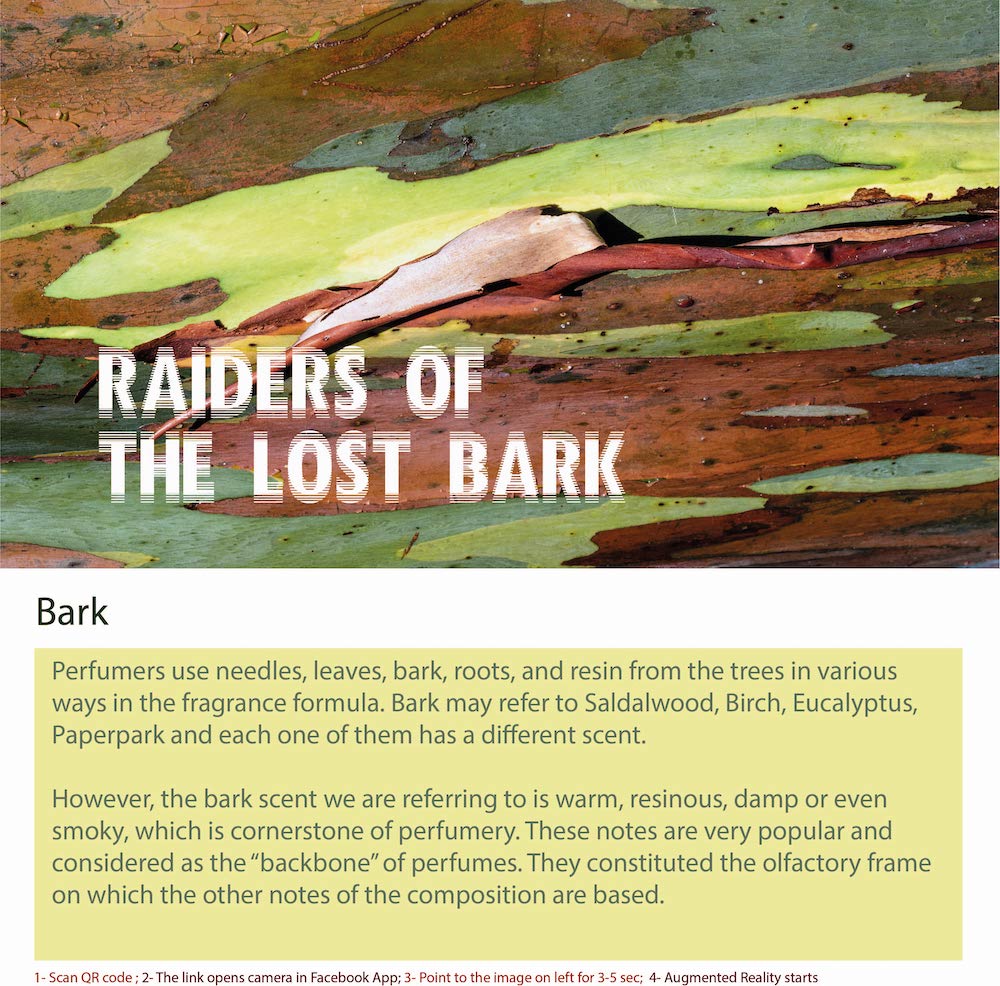
Perfume compositions often incorporate mossy, resinous, and bark-inspired notes to replicate these natural essences. This allows the wearer to carry not just a fragrance but a sensorial story—a connection to forests, natural healing, and serene landscapes. Enveloping the skin with these scents is akin to an olfactory embrace from the earth itself, fostering emotional well-being and enhancing mindfulness.
Why Are We So Fascinated?
Our fascination with bark’s texture and the scent of soil is more than aesthetic appreciation. It is a deeply rooted (pun intended) aspect of our biological and psychological fabric. Humans evolved in intimate contact with nature, relying on its cues for survival. The textures and smells of natural elements signal safety, nourishment, and familiarity. These sensory markers connect us to an ancestral past and provide emotional reassurance in rapidly modernizing environments.
Moreover, this fascination offers an escape from the digital and artificial stimuli that dominate modern life. Each touch and scent becomes a meditative ritual, a momentary reconnection with the wild and untamed world. Sensory art inspired by bark and soil encourages mindfulness, grounding us in the sensory realities of now, fostering appreciation for textures and smells that are often overlooked.
Conclusion: Embracing the Multi-Sensory Dialogue
The rugged texture of bark and the profound scent of soil engage our senses in ways that are rich, evocative, and deeply human. Together, they compose an intricate multi-sensory art form that invites us to pause and reflect on our primordial bonds to the earth. This sensory fusion is contemplative yet invigorating, stirring memories, emotions, and a sense of belonging to the natural world.
In a culture driven by screens and synthetic experiences, embracing the tactile wisdom of bark and the aromatic eloquence of soil offers a rejuvenating path back to authenticity. It beckons us to explore with curiosity and reverence, cultivating an intimate dialogue between self and environment. Through this, we rediscover not just nature’s textures and scents, but the very essence of our shared heritage and innate wonder.


Leave a Comment