

The return of Wabi-Sabi to contemporary homes marks a profound shift in how we understand beauty, comfort, and the art of living. This Japanese aesthetic philosophy, which finds grace in imperfection and profundity in simplicity, is reshaping the way we inhabit our environments. Like a river carving its path through ancient stones, Wabi-Sabi gently insists that true elegance arises not from flawlessness but from authenticity and the resonance of nature’s imperfections.
Embracing the Elegance of Imperfection
Imagine a home as a living canvas, where each crack, each weathered texture, weaves a story of time and resilience. Wabi-Sabi shuns the sterile pursuit of pristine surfaces and instead delights in the patina of age—the uneven glaze on a ceramic bowl, the fading of colors on exposed wooden beams, and the asymmetry of hand-woven fabrics. These imperfections do not detract; they endow a space with character, grounding it in the reality of existence. Such acceptance transforms a house into a sanctuary where the ephemeral nature of life is celebrated.
The Philosophy Intertwined with Nature’s Pulse
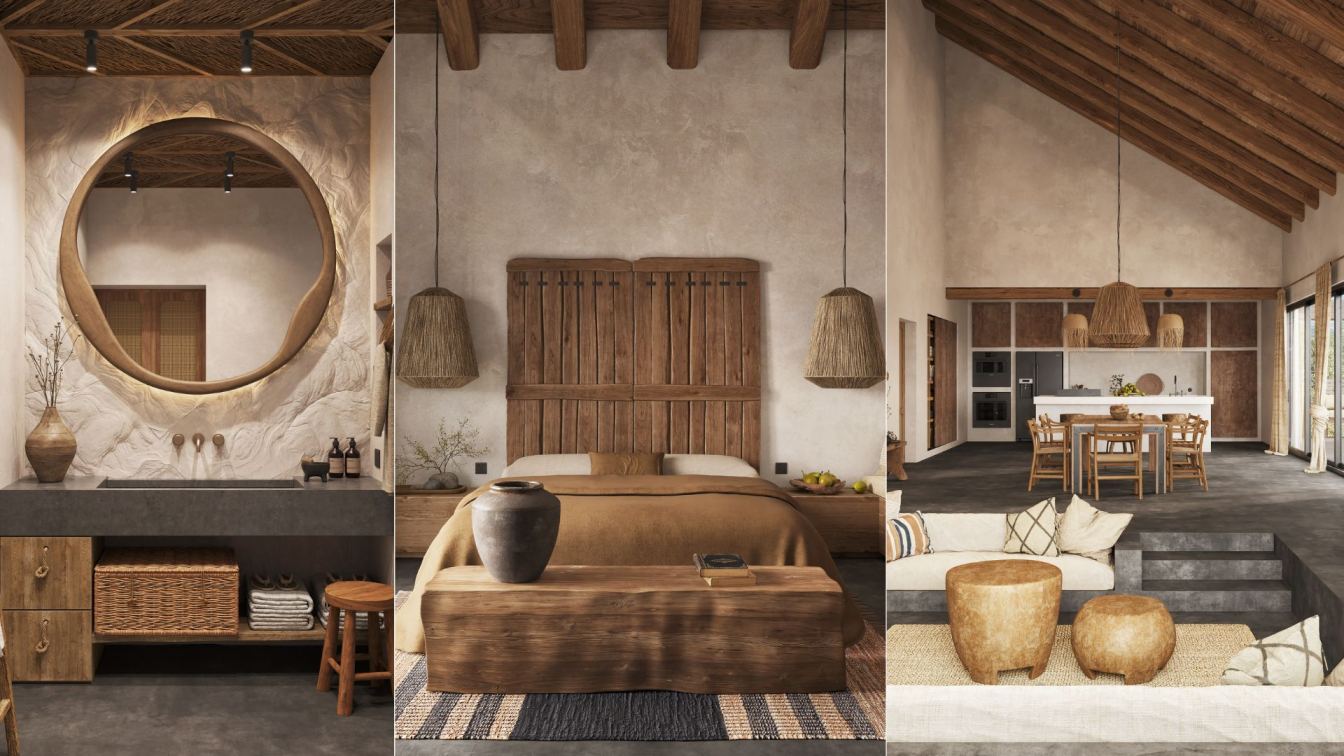
At its core, Wabi-Sabi is a quiet conversation with nature—a dance of rustic authenticity and organic impermanence. This philosophy invites the natural world inside, emphasizing raw materials like unpolished wood, stone, and clay, which age gracefully with time. The result is a home that does not battle nature but harmonizes with it, reflecting the subtle hues and textures found in forests, mountains, and rivers. Through its lens, the cracks and crevices, the moss on stones, and the tender decay of leaves all become symbols of profound beauty.
Minimalism Reimagined: The Art of Subtlety
Wabi-Sabi’s resurgence aligns with a global craving for minimalism, yet it offers a refreshingly nuanced alternative. Minimalism often risks becoming stark or cold, but Wabi-Sabi infuses subtle warmth into austerity. The spaces it cultivates are stripped bare not by sterile uniformity but by thoughtful selection—embracing only what endures emotionally and conceptually. Furniture and décor are not superfluous; each item is imbued with a history, a purpose, an irregularity that invites touch and reflection. This artful restraint brings balance, fostering spaces that breathe and invite introspection.
Textiles and Tactility: Invoking a Sensory Journey
Textiles within a Wabi-Sabi home become more than mere coverings. They are sensory narratives, composed of natural fibers that carry the gentle imperfections of craftsmanship. Handmade textiles featuring uneven stitching, organic dyes, and raw edges invite not just sight but touch, a tactile reminder of human presence and labor. These elements awaken a sense of quiet intimacy, gently contrasting the impersonal nature of mass-produced goods. The result is a layered, textural experience that enriches everyday living.

Wabi-Sabi and the Poetics of Space
Beyond physical materials, Wabi-Sabi imbues space itself with a kind of poetry. The concept thrives in the interstitial moments—the empty spaces between objects that echo rather than scream for attention. These pockets of emptiness are not voids but silent verses that encourage mindfulness. Just as in haiku poetry, where brevity amplifies meaning, the deliberate sparseness in Wabi-Sabi interiors fosters calm and reflection. Here, less is infinitely more; silence becomes the canvas upon which thoughts and emotions may paint themselves.
Imperfection as a Metaphor for Life’s Transience
Wabi-Sabi’s unique appeal also lies in its existential depth. It embodies a philosophy that sees beauty in impermanence and imperfection as a signature of truth. The cracks in pottery or the warped grain in timber are metaphors for the human condition itself—vulnerable, evolving, and irrevocably linked to the passage of time. In embracing this, a Wabi-Sabi home transcends mere decoration; it becomes a living monument to humility, acceptance, and the tender grace of mortal existence.
Interweaving Tradition and Modernity
While Wabi-Sabi is rooted in centuries-old Japanese traditions, its principles reverberate strongly within modern architectural and interior design. Contemporary homes adopting this aesthetic often blend sleek lines with natural, imperfect materials to create environments that feel both timeless and breakthrough. This fusion ensures that Wabi-Sabi does not fossilize into a mere style but remains a breathing philosophy, inviting continuous reinterpretation. It’s a reminder that innovation need not erase history but can embrace it with reverence.
Creating Your Own Wabi-Sabi Sanctuary
To invite Wabi-Sabi into your home is to embark upon a journey of mindful curation. It means intentionally selecting items that speak to resilience and impermanence—perhaps a handcrafted bowl with a faintly uneven edge or a wooden stool worn smooth from years of use. It involves relinquishing perfectionist compulsions and welcoming the stories etched into surfaces and spaces. Plants, stones, handmade crafts, soft natural linens, and muted palettes all become elements that foster a comforting embrace. In doing so, the home becomes a testament to a life lived gracefully, in harmony with nature’s rhythms.
Conclusion: The Timeless Allure of Wabi-Sabi
In a world often obsessed with glossy perfection and relentless innovation, the return of Wabi-Sabi feels like a soothing whisper of truth. It dares us to see the profound beauty in what is humble, rough, and transient. In doing so, it invites us to create homes that are not mere shelters but soulful sanctuaries—vessels of quiet elegance where nature’s imperfect hand is both seen and celebrated. Wabi-Sabi reminds us that the most perfect homes are those that honor the imperfect art of being human.


Leave a Comment