

Step into the vibrant world of the biophilic artist’s studio, a sanctuary where creativity is not just sparked but cultivated by an intimate dialogue with nature. This living laboratory fuses the raw textures and rhythms of the natural world with the imaginative pulse of artistic endeavor. Here, every element—from the tactile quality of organic materials to the serene influx of sunlight—forms an integral part of the creative process. For artists and connoisseurs alike, the biophilic studio offers more than a place to work; it is an immersive haven where nature’s wisdom and art’s fervor entwine to inspire boundless innovation.
Harmonizing Architecture and Natural Elements
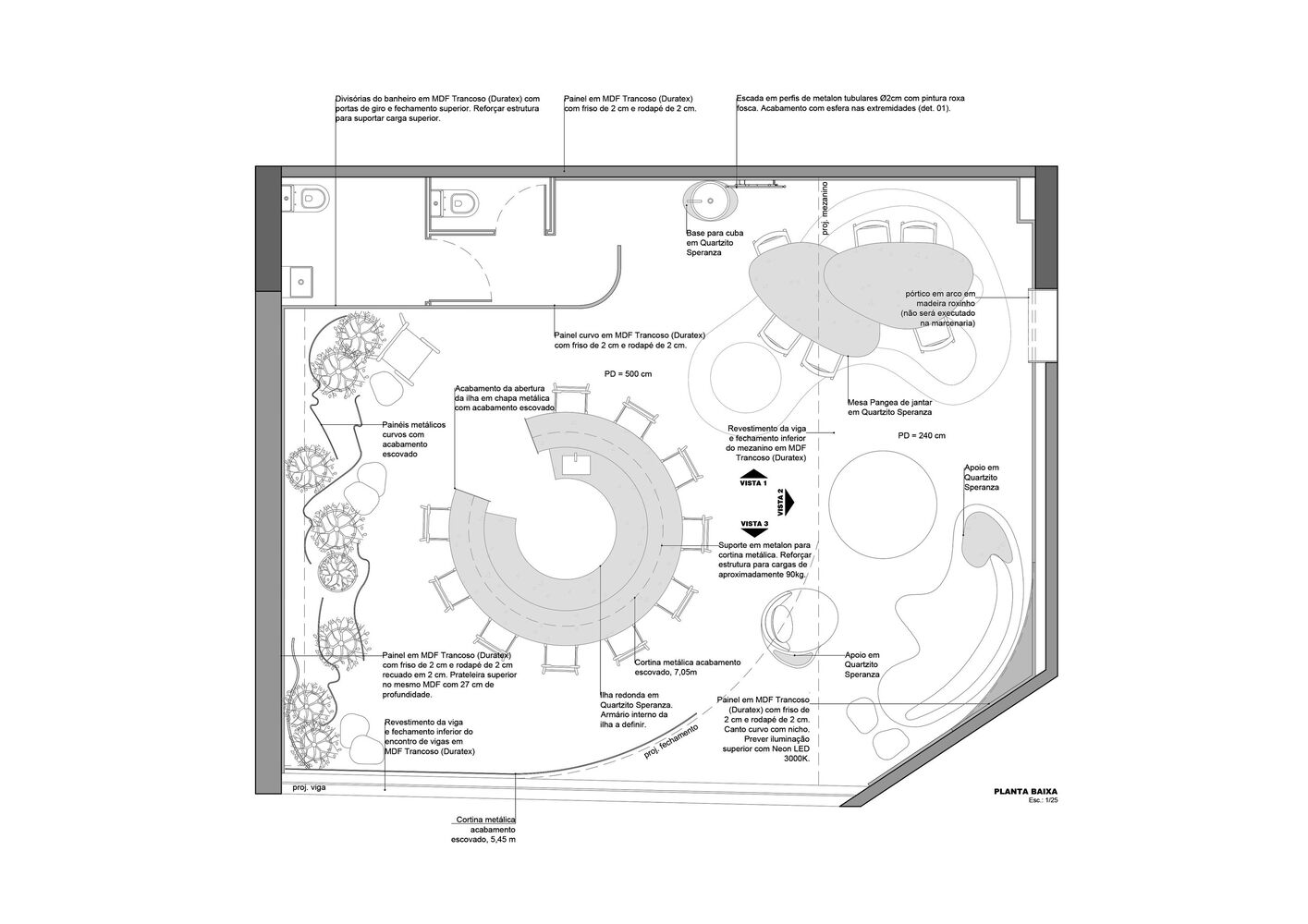
The architecture of a biophilic artist’s studio transcends conventional design by embracing natural motifs, materials, and spatial concepts that foster a profound connection between the artist and the environment. Imagine an expanse where lofty ceilings adorned with wooden beams reminiscent of ancient forests channel the quiet strength of nature. Skylights flood the space with daylight, casting shifting patterns that mimic the dappling of leaves under a canopy. Walls may be plastered with natural clay or lined with reclaimed timber, inviting touch and invoking an earthy warmth that concrete or steel simply cannot emulate.
This architectural dialogue is not merely aesthetic; it is functional. The layout promotes fluid movement, with nooks dedicated to quiet reflection and larger areas primed for dynamic creation. This seamless interplay encourages artists to ebb and flow with natural cycles, finding solace in rhythms inspired by the sun and seasons. It is a design philosophy that champions sustainability and mindfulness, enriching both the art and the artist’s well-being.
The Magic of Biophilic Furniture and Textures
No studio grounded in biophilia would be complete without furnishings that echo nature’s vernacular. Here, every chair, table, or easel tells a story steeped in organic design principles. Furniture crafted from irregularly textured woods, their surfaces bearing the gnarls and grains of living trees, invite artists to perceive artistry not just visually but tactilely. Textiles woven from natural fibers—linen, hemp, and wool—drape surfaces, contributing subtle chromatic and textural accents that shift with the changing light.
These elements do more than comfort; they stimulate. An artist working amidst furniture inspired by natural organisms can draw inspiration from the intricate patterns found in bark, leaf veining, or water ripples. The tactile interaction becomes a meditation, anchoring creative impulses with a rootedness that artificial materials cannot provide. More than decor, these pieces serve as catalysts for creative reverie and authentic connection to the biosphere.

Audio’s Resonance: The Sonic Biophilia
Soundscapes form an often-overlooked substratum of the biophilic artist’s environment. The aura within a living laboratory is enriched not just by the visual and tactile, but by the sublime auditory experiences that mirror natural ambience. Unique moss-covered wooden speakers, for example, do more than play music; they become part of the studio’s ecosystem, visually and sonically blending into the natural aesthetic while providing acoustics that resonate with earthy warmth and clarity.
This convergence of aesthetics and acoustics imbues the creative space with aural textures—from the subtle rustle of leaves to water trickling—that elevate mood, focus, and artistic intuition. Varied soundscapes can mimic natural habitats, prompting a deeper connection to the environment and stimulating creative flow in profound, visceral ways.

The Interplay Between Flora and Artistic Inspiration
Flora is the very lifeblood of the biophilic artist’s studio. Carefully curated plants—ranging from lush ferns to delicate succulents—populate the space, creating micro-ecosystems that breathe life into every corner. These living organisms not only purify the air, enhancing clarity and alertness, but they also become silent muses, subtly influencing color palettes, compositions, and textures in the artist’s work.
The presence of plants invites an interactive relationship. Their growth cycles become an analog to the ebbs and flows of creativity: the rhythm of planting, nurturing, and blossoming mirrors the gestation of ideas into tangible art. Moreover, the sensory experience of tending to these living forms nurtures mindfulness, relaxation, and emotional well-being—critical components in sustaining artistic endurance and passion.
Light as a Catalyst: Natural Illumination and Creative Energy
In the biophilic artist’s studio, light is more than illumination—it is a vital, constantly evolving force that shapes mood and vision. Strategic placement of windows, skylights, and open spaces ensures that sunlight permeates the studio at varying intensities throughout the day, imbuing artworks with shifting hues and shadows that enhance perception and creativity.
Natural light amplifies the sensory experience, allowing colors to be rendered with authenticity and nuance. The interplay of light and shadow inspires artists to experiment with form and depth, pushing the boundaries of their mediums. At night, soft, nature-inspired artificial lighting maintains a tranquil atmosphere, encouraging reflection and continuation of the creative journey without harsh interruption.
Integrating Sustainability: The Ethical Dimension
At its core, the biophilic studio champions ecological responsibility. Materials are selected with unwavering commitment to sustainability—salvaged wood, natural stone, and biomaterials replace synthetic alternatives. Waste is minimized, and energy efficiency is maximized through harnessing daylight and incorporating renewable energy technologies.
Such ethical stewardship resonates in the artist’s creative philosophy, often inspiring works that reflect environmental consciousness and reverence. The studio’s sustainability narrative becomes a foundational part of its identity, demonstrating that artistic innovation and ecological mindfulness are harmonious allies rather than disparate ideals.
Conclusion: A Symbiotic Sanctuary of Creativity
The biophilic artist’s studio is a multifaceted, living laboratory where the boundaries between art and nature dissolve into a seamless continuum. It is a space pulsating with organic materials, natural light, evocative soundscapes, and thriving plant life—all woven together by conscious design and sustainable values. For the artist, this is more than a workspace; it is a sanctuary for discovery, healing, and boundless inspiration.
Immersed in this verdant environment, the creative spirit is free to roam, explore, and manifest ideas that echo the complexity and beauty of the natural world. The biophilic studio stands as an enduring testament to how design, nature, and imagination can coalesce into a vibrant ecosystem of creativity—inviting all who enter to cultivate their art through the profound wisdom of the living earth.


Leave a Comment