

Step into virtually any modern corporate office or startup hub today, and it won’t take long before your eyes land on an unexpected centerpiece: a lush, verdant moss wall. At first glance, this living tapestry of nature seems like a simple aesthetic choice—a burst of greenery amid concrete, glass, and steel. Yet, beneath the surface of this growing trend lies a profound narrative that speaks to our intrinsic relationship with the natural world. Increasingly, CEOs and visionary leaders are clamoring for biophilic elements, with moss walls reigning supreme as a symbol of innovation, well-being, and purposeful design. But why this sudden fascination? What is the hidden allure of this seemingly humble feature? Let’s embark on a journey to unravel the compelling reasons why the biophilic office, crowned by majestic moss walls, is the aspirational standard for the future of workspaces.
The Subtle Power of Biophilia in the Workplace
The human psyche is intricately wired to crave connection with nature—a phenomenon known as biophilia. This deep-seated affinity is more than just a penchant for pretty plants; it’s an evolutionary imperative. In an age when many professionals spend upwards of eight hours indoors, a dissonance emerges between the body’s longing for natural stimuli and the sterile, artificial environments that typify conventional offices.
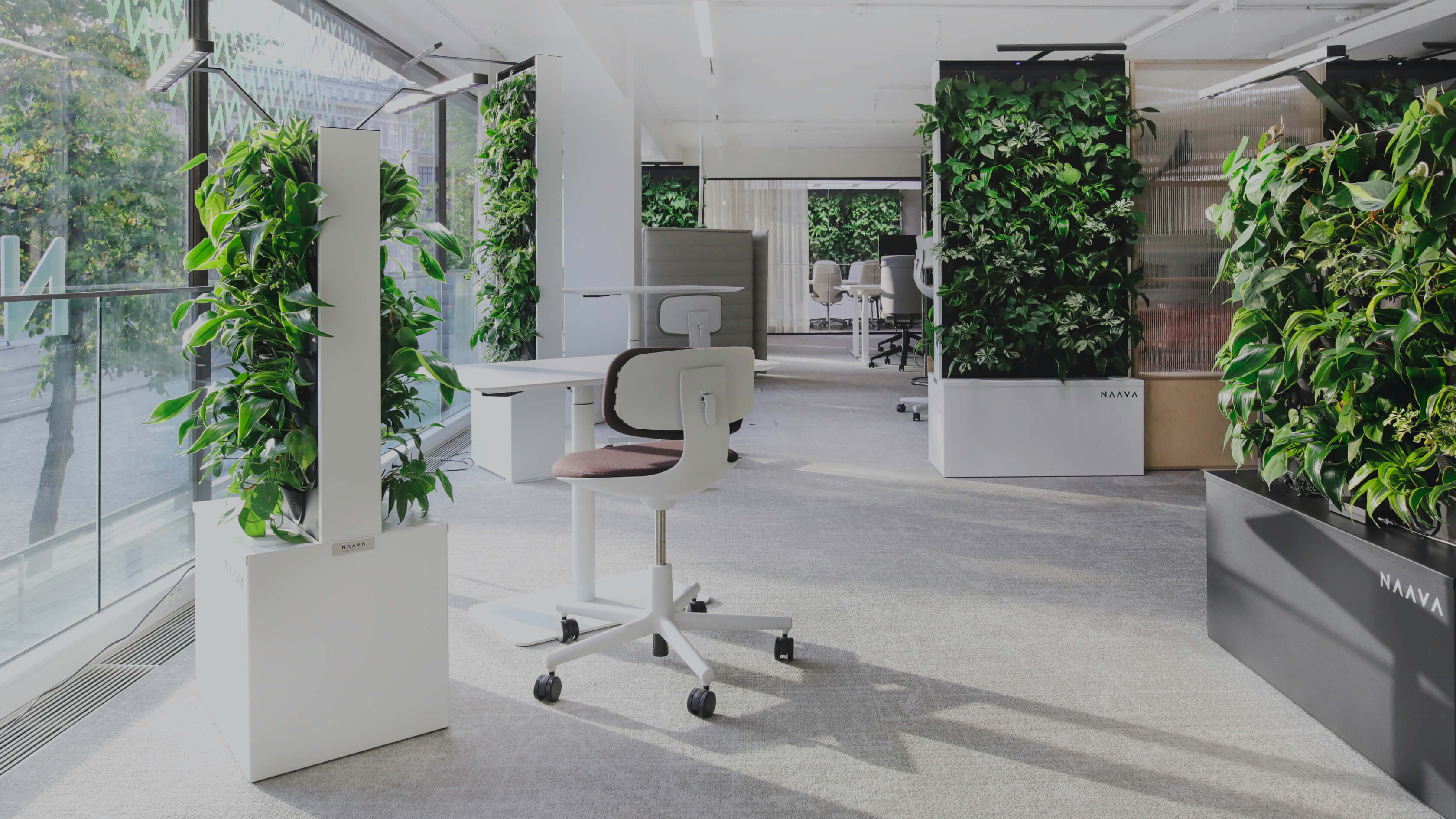
Biophilic office design aims to bridge this divide, transforming sterile corporate settings into ecosystems that nurture creativity, focus, and serenity. At the heart of this movement, moss walls offer an organic counterpoint to the angular rigidity of office furnishings. These living murals act as natural air purifiers, sound absorbers, and tactile interfaces—engaging multiple senses simultaneously. By integrating moss walls, CEOs are signaling a commitment to holistic wellness and cognitive vitality within their organizations. This is not merely a decorative trend but an emblem of conscious leadership and progressive corporate culture.
Moss Walls: More Than Just Visual Enchantment
The intrigue of moss walls extends beyond their visual appeal. These living installations are quiet dynamos of environmental enhancement. Unlike traditional plants, moss requires no soil, minimal water, and almost no direct sunlight, making it an ideal botanical choice for indoor settings. Their dense texture and spongy composition act as natural sound absorbers, drastically improving acoustics in open-plan offices. This improves concentration by muting disruptive noises and creating a calming auditory backdrop.
Moreover, moss walls contribute to improved air quality by trapping dust particles and absorbing carbon dioxide. These organic air filters support employees’ respiratory health and overall comfort—fundamental elements for heightened productivity. The tactile appeal of moss also invites interaction; employees often find themselves instinctively touching the plush surface, a subtle, meditative gesture that reconnects the mind with the soothing textures of nature. It is this multisensory engagement that explains why moss walls evoke such a compelling call to the human spirit.

The Psychological Alchemy of Moss Walls
Psychological research underscores the benefits of integrating greenery into workspaces. Biophilic design, especially featuring moss walls, positively influences mood, reduces stress, and fosters emotional resilience. These walls become living symbols of balance amidst the fast-paced, high-stakes worlds CEOs inhabit daily. The presence of vibrant moss can lower heart rates and reduce cortisol levels, rendering employees more composed and collaborative.
From a narrative perspective, moss walls carry a poetic symbolism; they remind us that growth does not always come from hyperactivity but often from stillness and slow accumulation—a metaphor many executives find inspiring. The visual and physical presence of such a timeless botanical tapestry instills a sense of permanence and sustainability—values increasingly championed within progressive business leadership. Consequently, these installations transcend decoration, becoming psychological sanctuaries where innovation and mindfulness coalesce.
Designing the New Age Workspace: Practicality Meets Philosophy
Incorporating moss walls into office design exemplifies a sophisticated blend of pragmatism and philosophy. Many CEOs recognize that a workspace is not just a physical location but a crucible of culture. The introduction of biophilic elements like moss walls simultaneously signals an investment in human capital and environmental stewardship.
Functionally, moss walls require minimal maintenance and can easily be customized to fit diverse spatial requirements—ranging from broad feature walls in reception areas to intimate green alcoves within conference rooms. This adaptability ensures that they can harmonize with wood accents, natural light, and ergonomic furnishings to create cohesive environments that inspire and nurture.
Importantly, the appeal extends beyond aesthetics and function—it activates narratives of sustainability and well-being that resonate deeply with employees and clients alike. A moss wall is, after all, a tangible manifestation of values; it’s a statement piece reflecting a company’s dedication to innovation, ecological conscience, and the human experience within commerce.

The CEO’s Perspective: Why the Moss Wall is an Executive Status Symbol
For CEOs, the moss wall is more than an interior design choice—it is a strategic asset. As companies compete to attract top talent in an increasingly aware workforce, biophilic offices become an essential element of employer branding. The moss wall stands as a visual manifesto of a company’s ethos, inspiring confidence among clients, stakeholders, and prospective employees.
Moreover, the installation signals a forward-thinking mindset. It reveals an understanding that the future of work transcends traditional metrics and embraces well-being, creativity, and environmental responsibility. Progressive CEOs appreciate that fostering environments which prioritize employee wellness leads to lower absenteeism and higher engagement. The moss wall, then, is a catalyst—encouraging innovation and collaboration through its quiet yet potent presence.
Looking Ahead: The Future is Green, Lush, and Alive
As workplaces continue to evolve, one thing remains clear: the old paradigms of sterile cubicles and artificial surroundings will give way to vibrant, organic, and deeply human-centric environments. The moss wall represents the vanguard of this movement, a beacon heralding a more harmonious union between nature and industry.
The fascination with moss walls is not fleeting. It is rooted in an awakening awareness that sustainable design, psychological well-being, and corporate responsibility are intertwined threads of modern success. This green revolution in office spaces invites us all to reconsider what “workplace” truly means—ushering in an era where the vitality of the earth so powerfully infuses the dynamism of human endeavor.
In the end, every CEO who invests in a moss wall is, knowingly or not, planting seeds for a future where businesses flourish in tandem with nature. This is not just about moss; it is about cultivating a culture of growth, resilience, and visionary leadership.


Leave a Comment