

Foraging for art supplies is a practice imbued with more than mere necessity; it is a compelling dance between creativity and nature, an enriching way to deepen one’s artistic practice by sourcing materials from the environment. This seemingly straightforward activity often conceals layers of fascination—why do artists and creators gravitate towards natural elements, found objects, and reclaimed resources? At its core, responsible foraging for art supplies reflects a profound respect for the earth, a desire to reconnect with the raw origins of creation, and a mindful approach to sustainability that transcends simple extraction. Delving into this harmonious relationship unfolds a narrative that celebrates both the spirit of discovery and the ethics of stewardship.
Understanding the Lure of Natural and Found Art Supplies
The allure of foraging lies in its ability to transform the mundane into the extraordinary. Natural pigments, branches, stones, and fibers offer unmatched textures, hues, and histories. Artists often observe that foraged materials seem to carry with them an invisible narrative—a whispered echo of their origins. This fascination may stem from a psychological or even spiritual affinity for things untouched by industrial processes, a palpable connection to the natural world that factory-made tools simply cannot replicate.
Foraging also invites serendipity. The unpredictability of what the environment yields enriches the creative process, compelling artists to adapt and innovate. The tactile qualities of bark, leaves, dried flowers, or river stones imbue artworks with authenticity, grounding them in place and time. This depth of meaning, paired with ecological mindfulness, deepens the creative journey.
Principles of Ethical and Sustainable Foraging
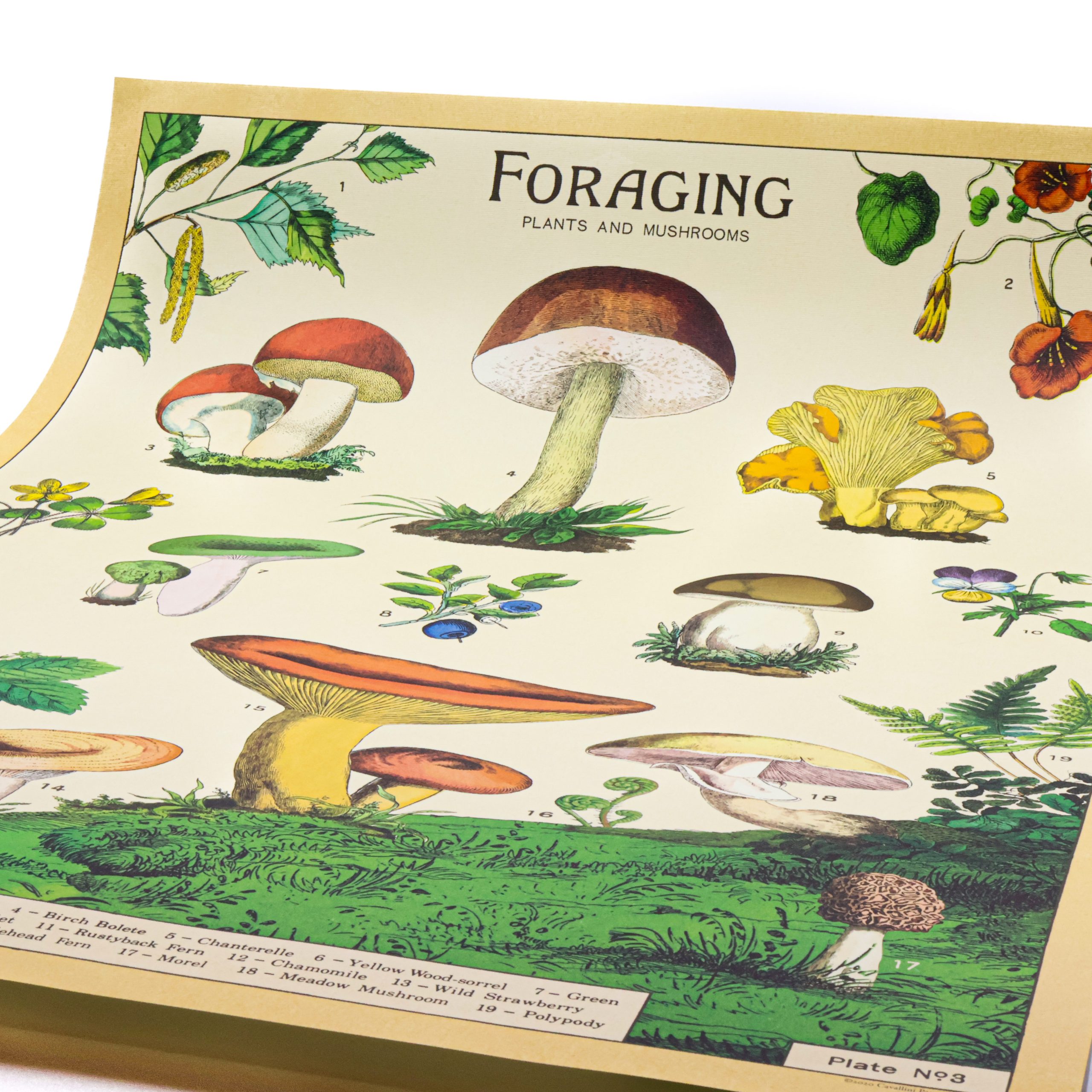
Responsible foraging rests on a foundation of respect—respect for nature’s abundance and limitations. One must always consider the ecological impact of harvesting materials. Removing resources indiscriminately can destabilize ecosystems, deplete local species, and inadvertently harm the very environment that fuels creativity.
To forage ethically, familiarize yourself with local flora and regulations. Learn which plants or materials are protected or endangered. Always harvest in moderation—taking only what is needed and leaving enough for wildlife and natural regeneration. Avoid disturbing habitats, and steer clear of private property without permission.
Adopting a “leave no trace” mindset ensures that the environmental footprint of foraging remains minimal. Carry out all tools and waste, tread lightly, and be mindful of your presence. By harmonizing your artistic pursuits with nature’s rhythms, you cultivate a sustainable relationship that honors both.

Identifying and Selecting Ideal Materials for Art Projects
Choosing materials for artistic use is both a practical and intuitive endeavor. Begin by understanding the properties of potential supplies—durability, colorfastness, texture, and how they interact with various mediums. For example, different woods will carve or sand differently, while pigments derived from soil or plants may vary widely in longevity and hue.
Seasonality plays a crucial role in availability. Leaves and flowers, for instance, must be gathered at specific growth stages to retain vitality and color. Familiarity with seasonal cycles enhances foraging success and ensures materials are harvested when they are most sustainable to do so.
Innovative artists often experiment with less obvious sources: dried seed pods for texture, fallen driftwood for three-dimensional forms, or naturally dyed fabrics. This exploration pushes the boundaries of conventional supply chains and opens fresh paths for creative expression.
Preparing and Processing Foraged Materials
Raw natural materials frequently require preparation before integration into artwork. This preparation may include cleaning, drying, curing, or even natural chemical treatments to enhance longevity and usability.
Leaves and flowers often need to be pressed or dried to preserve shape and color; woods might require curing to prevent cracking; pigments must be carefully processed to produce consistent hues. Understanding these techniques can elevate a piece from simple craft to enduring art.
Experimentation is essential—different drying methods, natural sealants, or mixing techniques with traditional mediums can dramatically alter the outcome. These nuances enrich the tactile vocabulary of the artist and underscore the material’s intrinsic unpredictability and beauty.
Integrating Foraged Supplies with Contemporary Art Practices
Foraging transcends the idea of sourcing materials and becomes a deliberate method of storytelling. Once prepared, natural or found elements can be woven into paintings, sculptures, mixed media collages, and sustainably crafted prints.
Blending these supplies with modern techniques—such as digital imaging, encaustic layering, or eco-printing—creates dynamic works that bridge past and present. This fusion honors tradition while pushing the envelope of material experimentation.
Moreover, pieces composed of foraged elements inherently carry an environmental message, subtly advocating for awareness and conservation through their very existence.
Conclusion: Foraging as Artistic and Ecological Dialogue
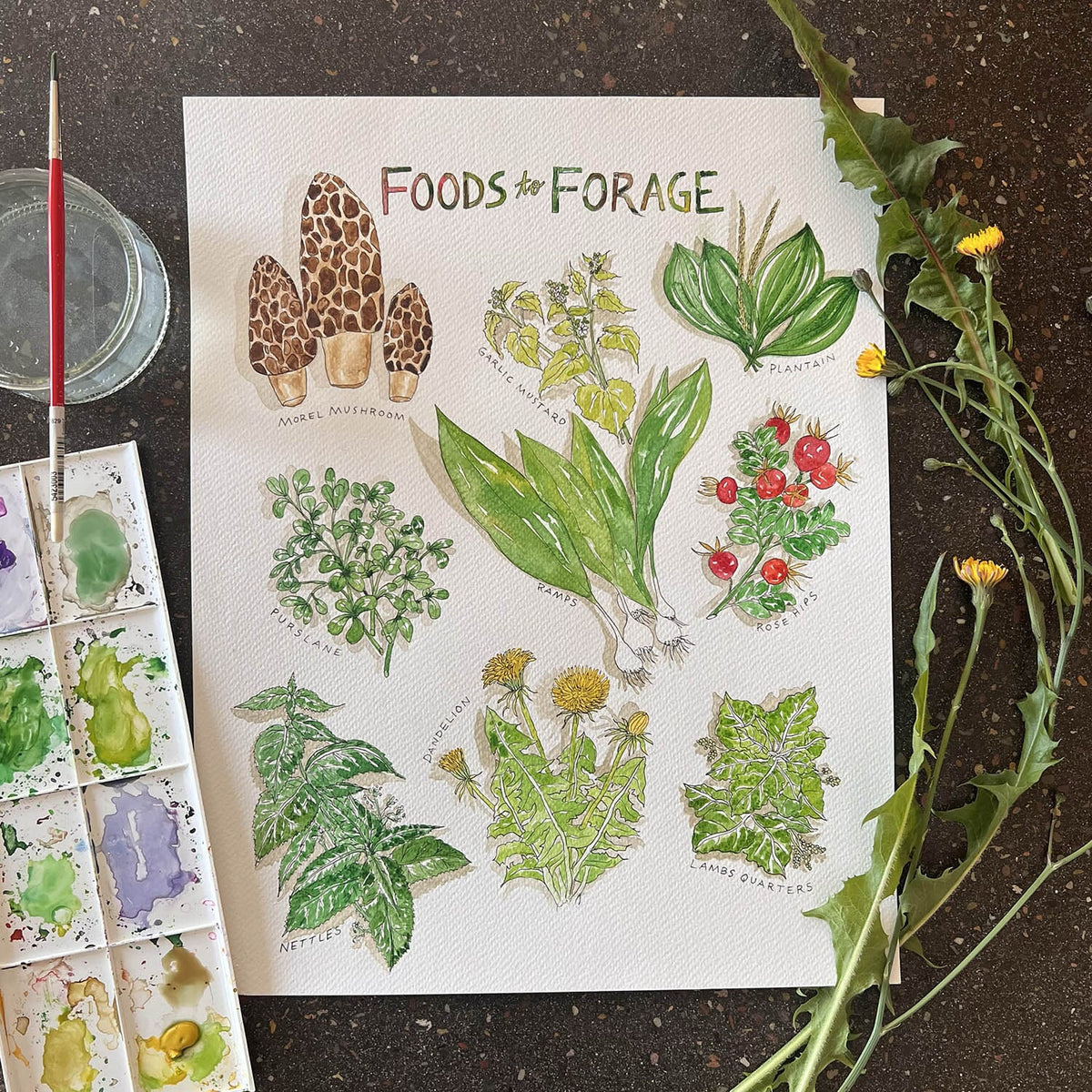
To forage responsibly for art supplies is to engage in a profound dialogue with nature—one that demands respect, curiosity, and restraint. This practice invites artists to slow down, observe the world through a lens of reverence, and create works infused with the essence of their environment.
In embracing responsible foraging, artists not only enrich their craft with unique, tactile materials but also contribute to a larger narrative of sustainability and interconnectedness. The fascination with natural sources is more than aesthetic; it is a call to mindfulness, to honoring the earth as a vital collaborator in the creative process.
By fostering this symbiotic relationship, the artist becomes both creator and custodian, weaving a legacy that celebrates the beauty of the natural world while safeguarding it for generations to come.


Leave a Comment