

Wandering through the vibrant corridors of contemporary art fairs, one increasingly encounters a compelling trend: the rise of green pavilions. These structures, awash with verdant hues and sustainable materials, seem to breathe life into the very spaces they occupy. But beyond their aesthetic allure lies a deeper narrative, a reflection of evolving values and a burgeoning fascination with environmental stewardship within the cultural realm. What compels art fairs to invest in these eco-conscious edifices, and why is the world taking notice?
The Aesthetic Harmony of Sustainability and Art
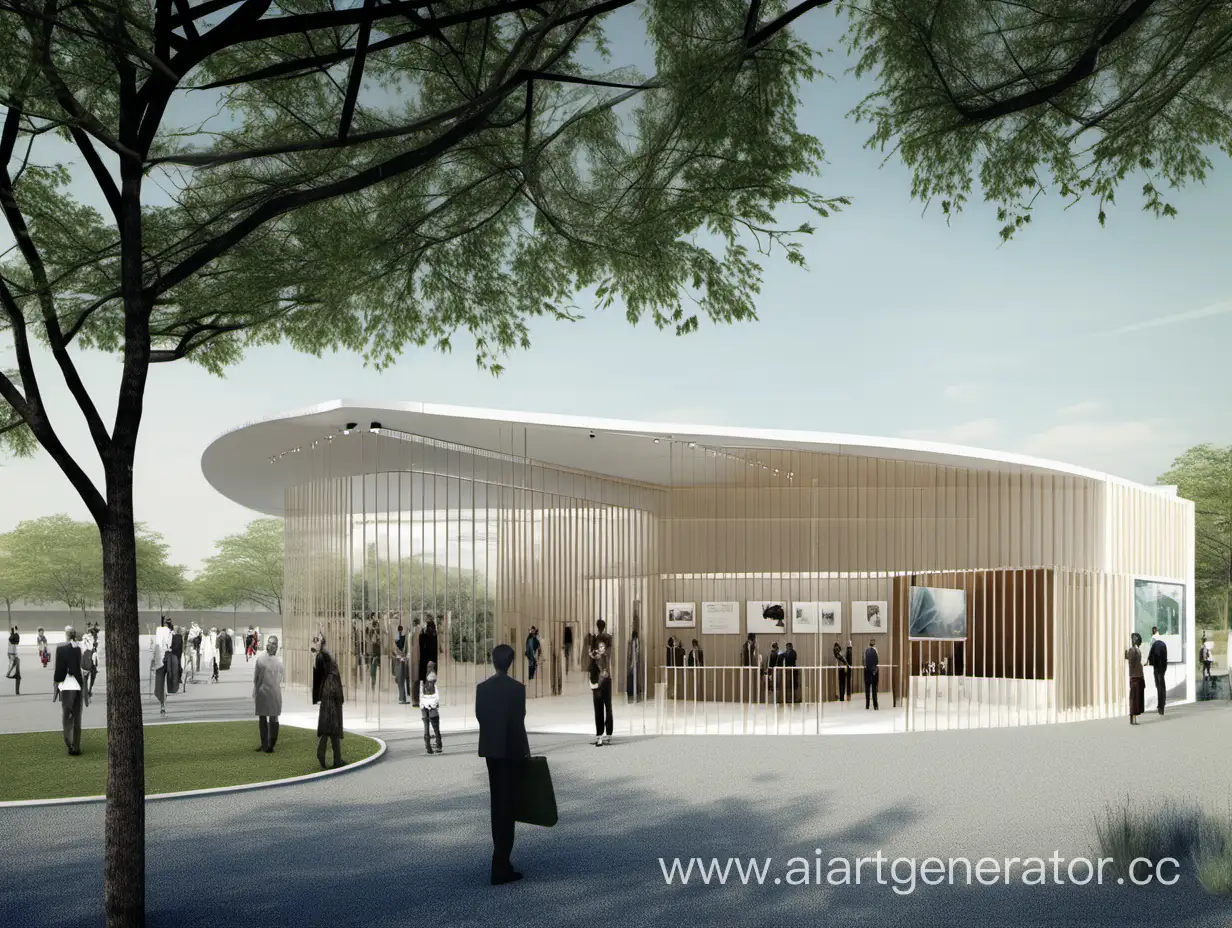
Art fairs function as dynamic melting pots where creativity and commerce intertwine, yet the aesthetic presentation remains paramount. Green pavilions are more than mere architectural entities; they manifest a seamless blend of sustainability and artistic expression. Their design ethos often emphasizes natural materials such as reclaimed wood, bamboo, and glass facades that invite abundant daylight. This synergistic relationship between form and function is nothing short of poetic. Nature’s palette becomes the backdrop for contemporary masterpieces, crafting an immersive experience that transcends the conventional white-cube gallery.

Such spatial innovation taps into a collective yearning for environments that foster wellbeing and inspiration. Visitors find themselves enveloped in atmospheres where sustainability is palpable not just in message but in material presence, deepening their emotional engagement with the art and the event itself.
The Environmental Imperative: A Moral and Practical Shift
In an era increasingly defined by climate urgencies, the decision to build green pavilions transcends trendiness. It signals a resolute alignment with ecological consciousness that is reshaping industries worldwide. Art fairs, by incorporating sustainable architecture, visibly commit to reducing carbon footprints, utilizing energy-efficient systems, and minimizing waste. This commitment aligns with a broader ethical narrative, illustrating that culture and conservation can coexist harmoniously.
Such moral conviction also invites artists, collectors, and visitors alike to reflect on their roles within this environmental dialog. Sustainability in pavilion design becomes a clarion call — urging all stakeholders to consider not only the art on display but also the world in which it is presented. This intersection of morality and aesthetics emboldens art fairs to transcend commercial objectives and emerge as beacons for ecological responsibility.
Innovative Architectural Solutions: Pioneering a Greener Future
Green pavilions are laboratories of innovation, showcasing cutting-edge design and engineering practises that underpin their eco-friendly credentials. Architects harness technologies like passive cooling, solar panels, and modular construction techniques to drastically reduce energy consumption and environmental impact. Furthermore, the adaptive nature of these structures boosts longevity, offering flexible interiors that can evolve with each edition of an art fair.
Such ingenuity not only addresses the immediate ecological concerns but also revolutionizes how large-scale cultural events conceptualize infrastructure. By embracing biomimicry and nature-inspired designs, green pavilions blur the lines between built environments and natural ecosystems, fostering symbiotic coexistence.
The Cultural Resonance and Public Fascination
Why do green pavilions captivate public imagination so thoroughly? Part of the enchantment lies in their paradoxical blend of modern sophistication and elemental simplicity. The architectural narrative they weave speaks to a collective consciousness awakening to the necessity of harmonizing progress with preservation. Visitors are drawn not merely to admire the art but to immerse themselves in spaces that articulate a future grounded in sustainability.

Moreover, these pavilions serve as didactic spaces, where recycling, renewable energy, and green aesthetics converge to educate and inspire. The fascination is not superficial; it invites a cognitive and emotional reckoning with how human creativity can be a force for ecological healing. Thus, the architecture itself becomes an exhibit, an experiential narrative that complements the showcased artworks.
Economic and Experiential Incentives Driving the Movement
On a pragmatic level, green pavilions also respond to evolving market dynamics within the art world. Collectors and institutions increasingly prioritize sustainability as a factor in their patronage decisions. Building environmentally responsible venues enhances an art fair’s brand prestige and signals forward-thinking values that deeply resonate with contemporary audiences.
Experientially, these pavilions improve visitor comfort through natural ventilation, daylighting, and biophilic design principles. This results in more memorable and emotionally rich experiences, encouraging prolonged engagement and repeat attendance. The investment in green architecture thus yields dividends beyond mere ecological compliance—it cultivates loyalty and enriches the cultural currency of art fairs.
Conclusion: Green Pavilions as Portals to a Sustainable Cultural Renaissance
The burgeoning prevalence of green pavilions at art fairs is far more than an ephemeral architectural fad. It embodies a profound ideological shift—one that positions environmental consciousness at the heart of cultural production and consumption. These structures stand as eloquent testaments to humanity’s capacity for beauty, innovation, and responsibility intertwined.
As we traverse these verdant spaces, we are invited to envision a future where art, architecture, and ecology do not merely coexist but coalesce into a thriving ecosystem of creativity and care. Green pavilions are not just buildings; they are symbolic thresholds guiding us toward a more sustainable, inspired cultural horizon.


Leave a Comment