

Have you ever considered whether a humble clod of soil could whisper the secrets of an era? Can a mere sample of earth unveil the sprawling saga of humanity’s indelible mark on the planet? This tantalizing prospect invites us to delve into the intersection between science, art, and environmental history—a realm where soil transcends its ordinary identity to become a vivid canvas reflecting the Anthropocene epoch.
The Canvas Beneath Our Feet: Soil as a Chronological Archive
Soil is not merely dirt; it is a layered palimpsest inscribed with the footprints of time. Beneath its surface lies a stratigraphy—a sequential narrative of nature’s interactions and human interventions. Each particle, from mineral granules to organic detritus, layers upon one another in a geological diary that chronicles the Anthropocene, the current epoch defined by significant human impact on Earth’s geology and ecosystems.

But how does this granular archive transform into art? The answer lies in its evocative quality. When scientists and artists collaborate, soil samples evolve from sterile specimens into vibrant, textural storytelling mediums. They reveal stories of industrial pollution, agricultural decay, and urban sprawl—each layer colored and textured differently by the forces that shaped them. This transformation challenges us to rethink standard scientific documentation and to embrace soil as not only a source of data but also of aesthetics.
Visualizing the Invisible: The Art of Soil Documentation
Imagine gazing upon a photograph of meticulously layered soil, each stratum distinct—a visual symphony of earth tones punctuated by unexpected flashes of human debris. These visual representations do more than capture soil; they evoke emotions and provoke contemplation. The surreal beauty found in the textures and colors of soil layers challenges viewers to confront the paradox of destruction and creation embedded within the Anthropocene.
Researchers and artists alike employ macro photography, microscopy, and creative coding to amplify soil’s intrinsic intricacies. The granular folds and embedded particles are transformed into large-scale images or installations, turning what is normally overlooked into an object of wonder. This process elaborates the latent dialogues between natural processes and anthropogenic impact, making the invisible visible and the mundane extraordinary.

Playing with Paradox: Can Art Rescue Our Environmental Awareness?
Here lies the playful but pressing question: Can the aestheticization of soil samples galvanize public consciousness about environmental degradation? This paradox—transforming pollutants and disrupted ecosystems into captivating works of art—poses a conceptual challenge. Art seduces through beauty, but the story beneath that beauty is one of exploitation and crisis.
Moreover, this artistic endeavor challenges traditional environmental narratives by entwining sensory experience with empirical evidence. When viewers appreciate a soil sample on an emotive, sensory level, do they internalize the urgency of the Anthropocene more deeply? Or does the allure of beauty risk glossing over the severity of environmental destruction? This tension sparks an ongoing dialogue about the role of art as a vehicle for ecological activism and education.
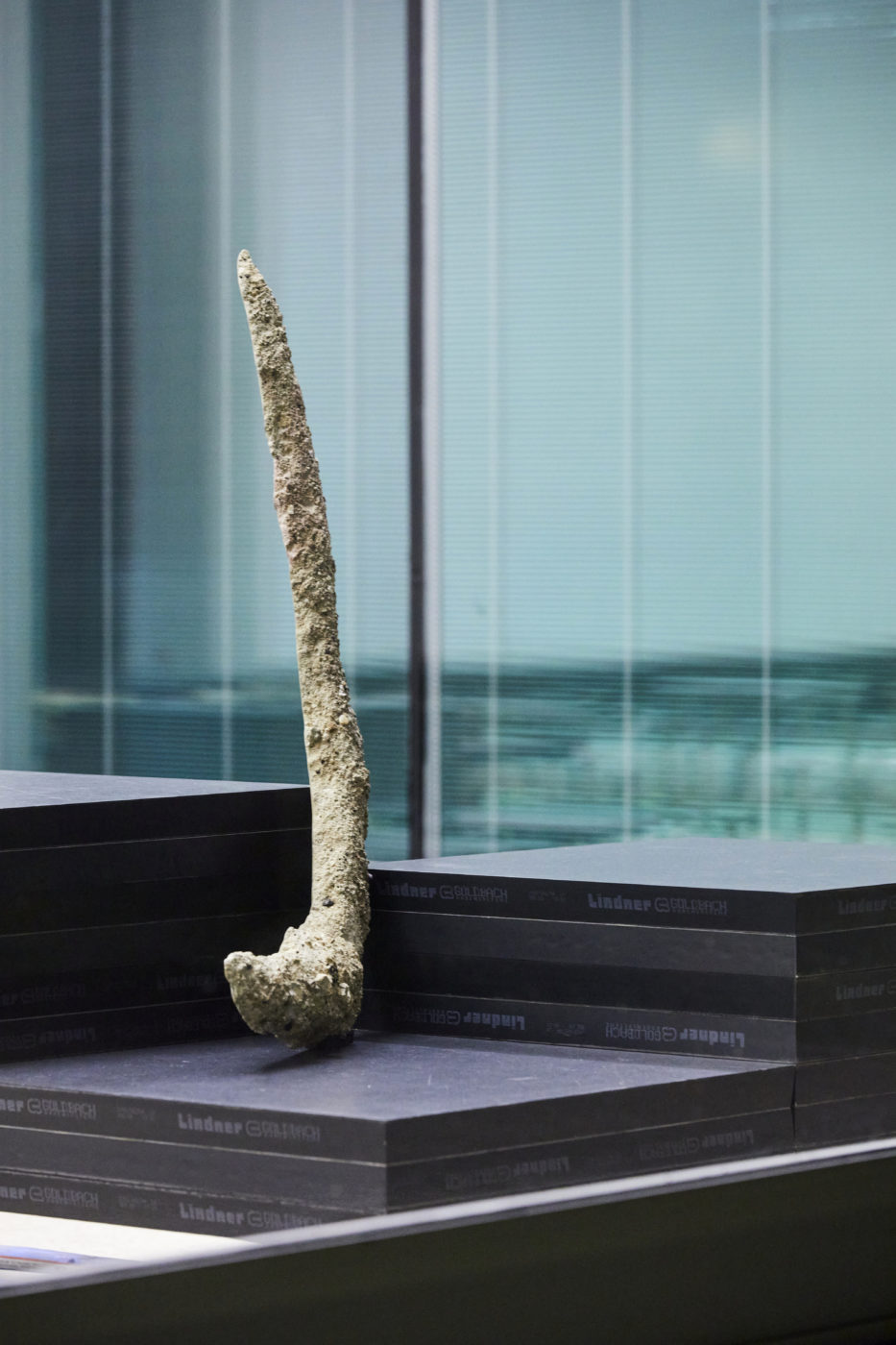
Soil as a Medium of Memory and Future Imagination
The soil sample as art operates on temporal planes—it preserves memory while inspiring futures. Each aggregated layer is a testament to a moment in time, yet when presented in galleries, research pavilions, or digital archives, it invites speculation about what lies ahead.
Exhibitions highlighting such soil art often serve as precarious memorials to disrupted landscapes, reminding us that time is both artifact and agent. This duality implores viewers to consider their position within an ongoing continuum of ecological transformation. It demands reflection on sustainability, resilience, and reclamation. Artworks crafted from soil samples become catalysts for envisioning alternate trajectories in our relationship with the earth, urging responsibility alongside reverence.

Challenges and Opportunities: Ethical Dimensions of Soil as Art
Venturing into this interdisciplinary frontier exposes several challenges. First is the ethical stewardship of soil itself. Extracting samples risks disrupting fragile environments, and appropriating these samples into art raises questions about representation and ownership. Who holds the rights to soil narratives, especially when indigenous lands or contested territories are involved?
Furthermore, the commodification of these materials in art markets might conflict with their ecological and cultural significance. Artists and scientists must navigate these tensions delicately, ensuring that their work respects both the earth’s integrity and the communities connected to it. However, this landscape also presents tremendous opportunities. By merging empirical documentation with creative expression, soil art pioneers new modes of environmental literacy and fosters interdisciplinary collaboration. It enables soil to speak across scientific, cultural, and political realms.
Conclusion: Embracing the Earth’s Story Through Soil Art
Ultimately, the soil sample as art beckons us to pause and perceive the world beneath our feet not as mere substrate but as a dynamic stage of history and possibility. It invites us to wonder: Can we read the earth’s past and decipher humanity’s imprint through the textures and hues of what once was innocuous dirt? Can the soil’s layered whispers inspire a profound ecological reckoning and reimagination?
As the Anthropocene reshapes natural and human landscapes alike, these soil samples—transmuted through art—offer a compelling portal into an epoch marked by both catastrophe and creativity. They challenge us to bridge the divide between observation and emotion, analysis and empathy. In doing so, they weave a narrative that is at once scientific record and poetic meditation—a testament to the enduring relationship between humanity and the ground on which it stands.


Leave a Comment