

Embarking on a journey into the realm of Middle Eastern Modernism collecting in 2026 is more than an acquisition exercise—it’s an invitation to reframe narratives and appreciate a dynamic cultural renaissance that has long operated under the global radar. This guide offers an illuminating exploration into the vibrant world of Middle Eastern modern art and architecture, championing not only aesthetic appeal but the rich historical and ideological metamorphoses these works encapsulate.
The Emergence of Middle Eastern Modernism: A New Lens on Tradition
Middle Eastern Modernism is not merely a mimicry of Western paradigms; it is an audacious reinterpretation of tradition, identity, and innovation. The mid-20th century saw visionary artists and architects attuned to global modernist currents while deeply rooted in their indigenous cultures. They forged a paradigm where contemporary sensibilities converged with Islamic motifs, Bedouin heritage, and post-colonial aspirations. Understanding this genesis reshapes the conventional Eurocentric art narrative and demands a recalibration of the collecting gaze.
_la_mosque_blanche_ii)_le_nil).jpg?resize=780%2C1044&ssl=1)
Collectors today who embrace this discourse step beyond ornamentation; they acquire pieces that articulate stories of resilience, hybridity, and transformation. Such a shift in perspective nudges the art world towards inclusivity and multidimensional dialogues.
Iconic Artists and Architects: The Vanguard of a Movement
Diving deeper reveals luminaries whose creative prowess forged the trajectory of Middle Eastern Modernism. From Mahmoud Said’s evocative canvases that delicately balance local landscapes with modernist abstraction, to the architectural ingenuity found in monumental structures that marry functionalism with intricate cultural symbolism—the figures behind this movement embody a synthesis of innovation and heritage.

Architects championing the cause contributed designs that transcend mere utility; their works are emblematic statements of identity and progressive vision amid shifting geopolitical landscapes. Architectural collectors focusing on these creations discover structures that are at once timeless and provocative, inviting exploration into their narrative layers.
Identifying and Authenticating Masterpieces
Collecting Middle Eastern Modernism demands a keen eye and scholarly rigor. The art market has matured, yet distinctive challenges endure. Provenance research, stylistic markers, and historical context are indispensable tools. Revisiting auction archives and documented exhibitions illuminates authentic works from copies or derivative imitations.
Moreover, tactile engagement with materials—whether it’s the texture of a painted canvas or the patina on sculptural elements—provides clues into an object’s genesis. Engaging specialists who intimately understand regional histories and artistic languages further ensures collectors make enlightened acquisitions. This meticulous approach transforms collecting from a transactional act into an academic and curatorial venture.
The Role of Institutions and Exhibitions in Shaping Perceptions
Institutions worldwide have started acknowledging the profound impact of Middle Eastern Modernism. Exhibitions and retrospectives are crucial in redefining public sentiment and scholarly appreciation. When museums curate thematic narratives around these works, they offer fresh paradigms that augment understanding and appreciation, enriching collector engagement.
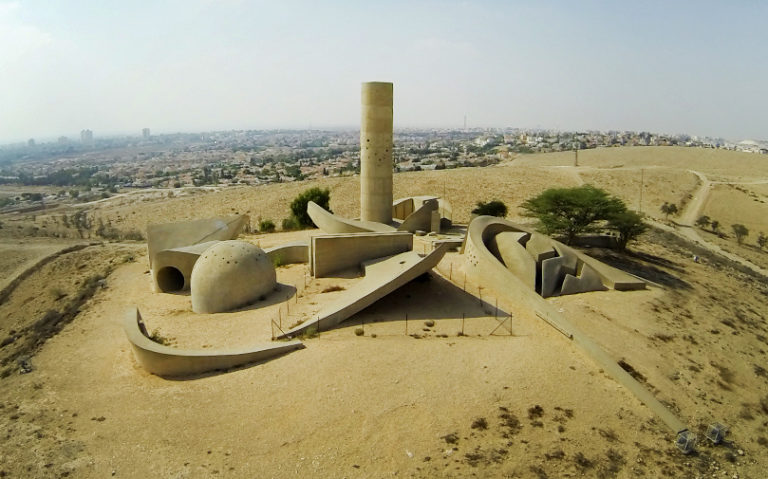
Collectors benefit from such institutional endorsement, as it adds provenance strength and contextual richness to their holdings. These evolving dialogues foster an ecosystem where collectors, curators, and scholars collaborate in redefining art historical canons.
Emerging Trends and Market Dynamics in 2026
As 2026 ushers in new collectors, globalization and digital access are revolutionizing acquisition pathways. Online auctions and virtual galleries democratize access, expanding the audience beyond traditional geographic limitations. This accessibility also fuels a deeper curiosity about nuanced cultural narratives embedded in modernist works.
Simultaneously, sustainability and ethical collecting practices gain prominence. Collectors now value transparency and cultural sensitivity, ensuring that artworks are acquired responsibly and with respect to cultural patrimony. This evolving ethos enriches the landscape, fostering a more conscientious collecting community invested in preservation as much as possession.
Curating a Collection: Beyond Aesthetic, into Narrative and Impact
Building a collection that resonates requires thoughtful curation—selecting works not just for visual appeal but for their capacity to convey multilayered narratives. Each acquisition should augment a broader story, whether it’s the dialogue between modernist abstraction and traditional symbolism, or the interplay of architecture and its socio-political context.
Collectors are urged to embrace thematic cohesion, seeking pieces that collectively challenge preconceptions and stimulate discourse. This approach transforms collections into living archives, enlivening personal spaces with history and dialogue rather than mere decoration.
Conclusion: The Promise of Discovery and Reimagined Perspectives
The 2026 Guide to Collecting Middle Eastern Modernism champions a transformative journey—a call to collectors to expand their horizons and delve into a realm ripe with artistic ingenuity and cultural depth. This movement invites curiosity, demanding a reevaluation of deeply held artistic narratives and offering treasures that transcend time and geography.
Collecting in this sphere is an act of cultural stewardship. It’s about preserving voices that redefine modernity through the prism of Middle Eastern experiences. With each acquisition, collectors are not just owning art—they are participating in a vibrant, ongoing conversation that promises to reshape art history’s contours for generations to come.


Leave a Comment