

What happens when the decisive strike of a judge’s gavel — a symbol traditionally reserved for courtroom judgments — ripples beyond legal halls to reshape global politics and the intricate networks of the art market? Can the intertwining of sanctions and boycotts forge a new battleground where creativity and commerce collide with geopolitics? These pressing questions unravel as the gavel transcends its iconic role, becoming a potent metaphor for power plays that challenge the very framework of international relations and cultural exchange.
The Gavel as a Metonym for Geopolitical Power
The gavel, emblematic of finality and authority, elegantly illustrates the rising influence of judiciary and executive decisions in the international arena. When courts or regulatory bodies strike down sanctions or endorse restrictive measures, they wield juridical might that can redefine diplomatic alignments. Sanctions—once economic instruments primarily enacted by governments—take on layered dimensions when judicial review enters the fray. This dynamic injects an element of unpredictability into global diplomacy. The symbolic gavel thus becomes a catalyst for geopolitical recalibration, influencing trade flows and geopolitical allegiances in unforeseeable ways.

In a globally interconnected ecosystem, sanctions become a more theatrical form of governance rather than mere penalties. They serve as proclamations of political will, a way of signaling disapproval without firing a shot. Yet, the courts’ intervention, such as striking down sanctions, can provoke diplomatic friction or even economic recalibrations, hence altering the chessboard of international relations overnight.
Sanctions Boycotts: The Convergence of Activism and Commerce
Boycotts associated with sanctions infuse an additional layer of complexity. Where governments initiate sanctions, civil society organizations, companies, and even individual consumers often accelerate or amplify these efforts with targeted boycotts. This blend of top-down and grassroots pressure can disrupt markets in extraordinary ways, especially in cultural sectors like the art industry. Boycotts don’t simply limit trade—they shape narratives, motivating participants to weigh not just profits but ethical stances and reputational risks.
Art, often touted as a universal language transcending politics, finds itself paradoxically ensnared in these political currents. When certain nations or artists become targets of sanctions or boycott pressures, their works undergo intense scrutiny. Galleries, auction houses, and collectors might hesitate, fearing entanglement with banned entities, or conversely, deciding to make a political statement through selective engagement or disengagement. This creates an intricate dance where cultural diplomacy and political ideology are inseparably intertwined.
The Vulnerabilities and Opportunities within the Art Market
The global art market is a fascinating prism to examine how sanctions and boycotts manifest their reach. It is a marketplace where high-value transactions intersect with opaque provenance trails, often with transnational participants operating in legal gray zones. Sanctions targeting specific countries or individuals can cause seismic disruptions: artworks might freeze in limbo, exhibitions get canceled, and sales falter, all impacting artists, dealers, and patrons alike.
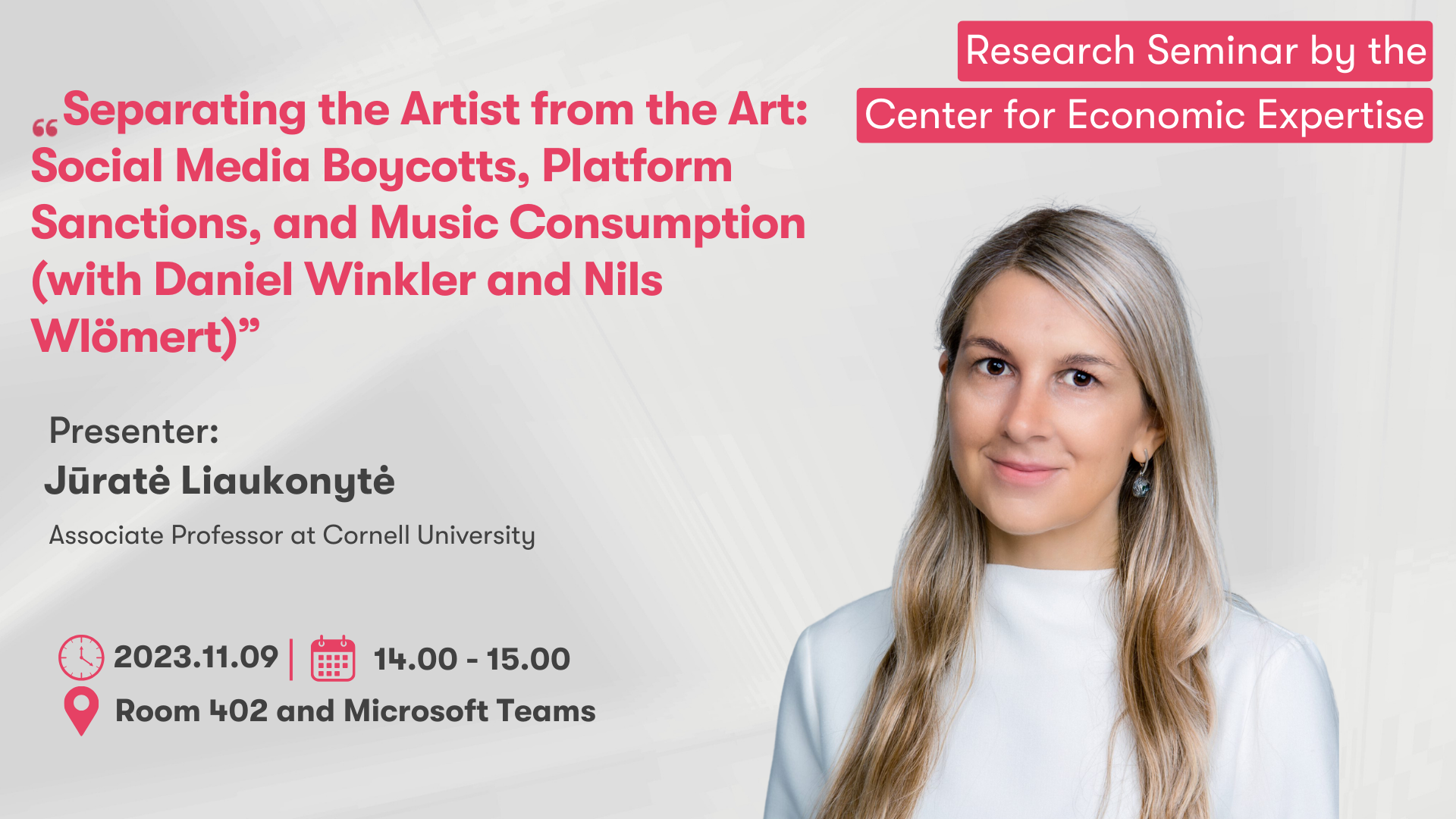
Yet, this vulnerability also harbors opportunity. Artists and cultural institutions increasingly leverage digital platforms to circumvent traditional barriers, connecting directly with global audiences. This shift contributes to a decentralization and democratization of art exposure, though it provokes further questions: Does social media dilute the artistic identity, or does it afford resilience in politically tumultuous times? The challenge of “separating the artist from the art” becomes not just a philosophical inquiry but a practical concern intertwined with sanctions’ aftershocks.
A Decade of Resilience: The Workforce Behind the Art and Commerce
Sometimes overshadowed by the geopolitical flashpoints is the people powering these institutions—employees who navigate the volatile intersection of art, politics, and commerce. Over the past ten years, sectors linked to art sales and curation have witnessed unprecedented challenges, propelled not only by economic sanctions but also shifting cultural values and global crises. These employees are more than cogs in a machine; they embody institutional memory, creativity, and the ability to adapt amid uncertainty.

Their resilience offers lessons beyond the art world. Whether managing compliance with new regulations or innovating new ways to sustain cultural dialogue, their efforts illuminate the human element behind cold political decrees. In this light, the gavel’s symbolic knock is softened by the enduring pulse of creative and human agency.
Conclusion: What Comes After the Gavel Falls?
As the symbolic gavel strikes down sanctions or affirms boycotts, it signals not just an end but a beginning—a call to reevaluate how power, politics, and culture interlace in our world. The geopolitical gavel challenges us to consider whether art can truly escape these entanglements or if it must instead embrace its role as a battleground for influence and expression. Ultimately, this nexus compels the global community to reflect on the balances between justice, commerce, ethics, and creativity.
The challenge remains: Can the art market navigate these turbulent geopolitical currents without losing its soul? Or will the gavel’s echo continue to resonate, reminding us that every stroke of power shapes the contours of culture in profound and often unpredictable ways?


Leave a Comment