

In recent years, a captivating movement has emerged within the art world—African art is finding a vibrant and enthusiastic second home in the Gulf region. This phenomenon does not merely reflect a superficial trend but rather denotes a deeper, multifaceted fascination that bridges cultures, histories, and aspirations across continents. The rediscovery and reimagining of African artistry in Gulf galleries and exhibitions evoke profound questions: Why has this ancient yet dynamic craft captivated a region so geographically and culturally distant? What underlying dynamics fuel this transcontinental embrace? And what does this mean for the future of global art dialogue?
The Resonance of African Art’s Rich Heritage
African art, with its bold aesthetics and symbolic complexity, holds an inherent magnetism. Rooted in centuries-old traditions, it is at once a repository of ancestral knowledge and a living, evolving form of expression. This art transcends mere decoration or display; it communicates identity, history, spirituality, and community memory. The Gulf, with its own deep-seated heritage and burgeoning appetite for cultural enrichment, finds in African art a parallel narrative: a celebration of lineage and a yearning for contemporary relevance.

Several Gulf museums and galleries have begun devoting extensive space to African pieces, recognizing that their intricate carvings, vivid textiles, and striking sculptures offer a unique form of storytelling. Such artworks invite Gulf audiences to engage with themes of resilience, innovation, and the human experience in its most diverse manifestations. The kinetic energy of African patterns, motifs, and forms resonates powerfully within Gulf spaces dedicated to cultural dialogue.
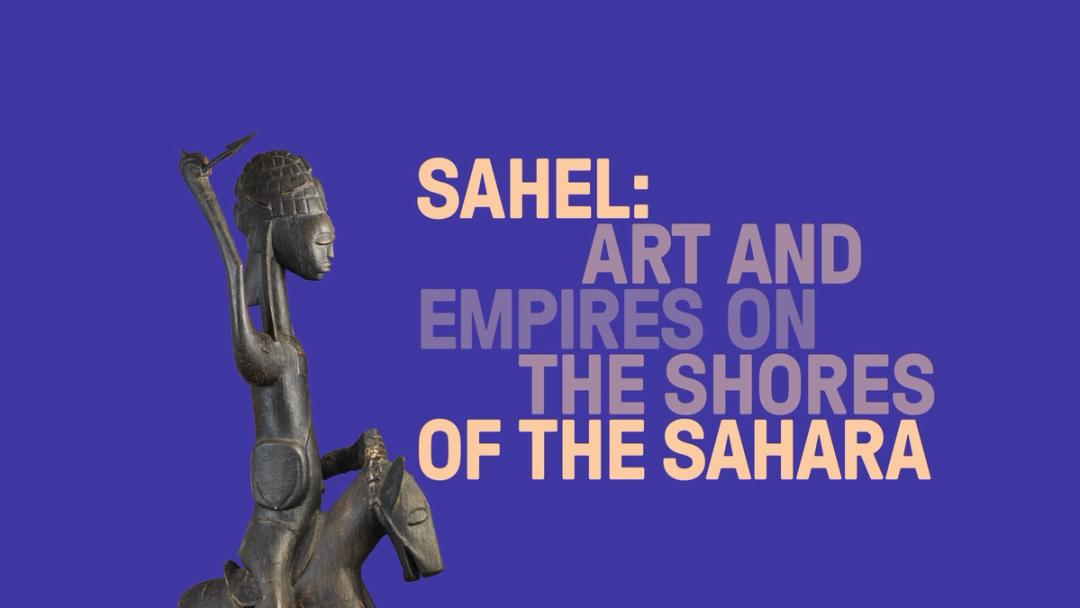
Gulf’s Cultural Renaissance and the Quest for Artistic Pluralism
The Gulf region has undergone a profound metamorphosis, rapidly transforming from desert economies to global hubs of culture and innovation. This ambitious renaissance is driving an active pursuit of diverse artistic expressions. African art fits seamlessly into this evolving mosaic, offering distinct visual languages that complement and enrich local artistic traditions.
As Gulf nations invest in museums, galleries, and cultural festivals, there is a deliberate effort to foster inclusivity and expand cultural horizons. African art’s arrival on this stage is emblematic of a wider vision—one that is both cosmopolitan and rooted in understanding global histories of connection and exchange. More than a fascinating commodity, these works challenge audiences to reconsider notions of identity, ownership, and cultural hybridity.
Intersections of Commerce, Diplomacy, and Cultural Exchange
The flourishing relationship between African artists and Gulf collectors is not incidental. Economic ties between African countries and Gulf states have intensified, encouraging cross-cultural engagements that extend into the art sector. Art fairs, biennales, and joint exhibitions underscore this relationship, transforming African art into a powerful medium of soft diplomacy and mutual appreciation.
Moreover, the Gulf’s appetite for art has cultivated a robust market where African artists can find new patrons and platforms. This dynamic balances the traditional Western dominance in African art’s global circulation, decentralizing the narrative and empowering African voices within an emerging Gulf-led context. The embrace of African art is thus a strategic cultural investment that aligns with the Gulf’s broader geopolitical ambitions and enhances its cultural capital worldwide.

Artistic Synergies: Fusion and Innovation
The fascination extends beyond collection. It breathes life in the cross-pollination of artistic ideas where African motifs inspire Gulf artists and vice versa. Contemporary Gulf artists have begun integrating African patterns, narratives, and symbolism into their work, producing innovative hybrids that defy geographic boundaries. These artistic dialogues reflect a postmodern sensibility—one where culture is fluid and art becomes a lingua franca connecting disparate worlds.
This synergistic space fosters experimentation. Collaborative residencies, digital projects, and joint workshops now punctuate the cultural calendars of both regions. The result is a vibrant ecosystem where African craftsmanship informs new techniques, while Gulf aesthetics open fresh perspectives on representation and identity. Such interactions animate a living, breathing art culture transcending the confines of traditional nationalistic or ethnic narratives.
Deeper Implications: Identity, Memory, and Modernity
Underlying the Gulf’s intrigue with African art is a deeper, often unspoken quest—for identity and belonging amidst rapid modernization. African art, with its profound links to lineage and storytelling, offers a mirror and a window simultaneously. It reflects the Gulf’s own search for roots within a whirlwind of transformation, while providing a vantage point into diverse histories of displacement, resilience, and cultural survival.
This relationship is not devoid of complexity. It invokes careful considerations about cultural appropriation and the ethics of representation. Yet it also paves the way for renewed conversations on shared human experiences. In engaging with African art, the Gulf region declares a commitment to honoring distinct histories and fostering intercultural empathy—the very essence of artistic and humanistic ideals.

Conclusion: A Thriving Dialogue of Continents
The growing presence of African art in the Gulf is far more than an aesthetic fascination—it is a dynamic and meaningful cultural phenomenon. It embodies a confluence of heritage, commerce, and creative aspiration that enriches both worlds. As the Gulf region continues to cultivate its cultural landscape, African art stands as a testament to the power of transcultural exchange and the enduring allure of artistic expression that tells humanity’s shared story.
In this second home, African art finds fresh vitality and appreciation, while the Gulf benefits from a richer, more complex cultural identity. Together, they illuminate the boundless possibilities when diverse traditions meet—not in rivalry or mimicry, but in a celebratory symphony of creativity and connection.


Leave a Comment