

Can a single stroke of a paintbrush dissolve centuries of misunderstanding? The notion might seem audacious, even fanciful. Yet, as the world becomes an ever more intricate tapestry of cultures, the challenge of bridging divides demands creativity beyond borders and bureaucracies. Cultural diplomacy through art presents a beguiling answer—a pathway where hues and forms whisper stories more eloquently than treaties and mandates. But how does one build such a bridge with mere brushes, colors, and creativity?
Unveiling the Power of Artistic Expression
Art, in its myriad forms, functions as a universal language, transcending spoken dialects and political rhetoric. Paintings, sculptures, performances, and installations evoke emotions, provoke thought, and forge connections that conventional dialogue often fails to achieve. Unlike verbal communication, art engages the senses and the soul simultaneously, crafting a multisensory experience that invites empathy and introspection.
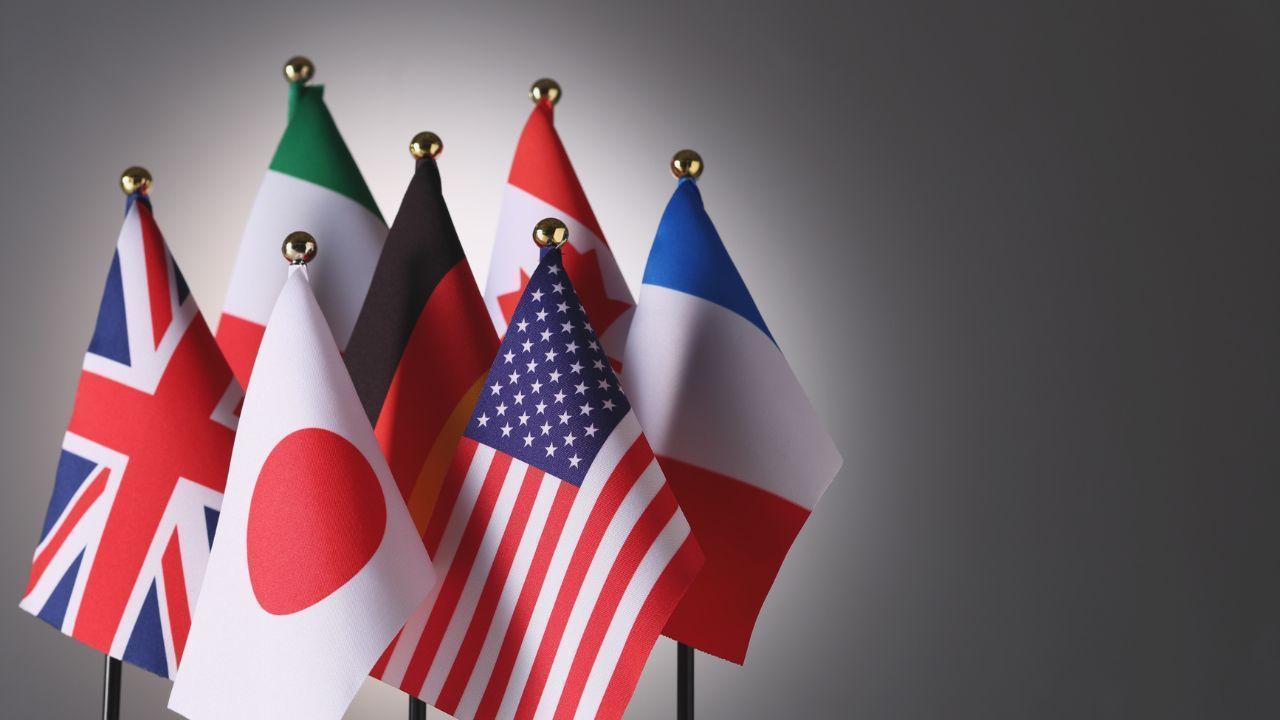
When nations or communities display artistic creations that embody their heritage and values, they invite others to witness the intricate layers that constitute their identity. This open invitation to understanding nurtures respect and admiration, laying the groundwork for meaningful intercultural exchanges. Furthermore, the emotional resonance embedded within art can soften entrenched biases and open hearts to new perspectives.
Challenges at the Crossroads of Canvas and Culture
However, while painting a bridge sounds poetic, the process is strewn with complex challenges. Can artwork truly reconcile deep-rooted political tensions or historical grievances? Often, these barriers seem insurmountable, and skepticism abounds regarding the effectiveness of art in the realm of diplomacy.
Moreover, cultural expressions are deeply personal, and misinterpretations or cultural appropriation risk exacerbating divides rather than healing them. Artists and diplomats alike must navigate these treacherous waters with profound sensitivity and awareness, ensuring that artistic endeavors honor the authenticity of each culture without oversimplifying or romanticizing.
Creating Collaborative Artistic Endeavors: The Heart of Cultural Diplomacy
A salient strategy for overcoming these challenges lies in collaboration. Joint artistic projects allow participants from diverse backgrounds to co-create, stripping away preconceived notions as they build something collectively. These ventures might include international art exhibitions, theater festivals, or mural projects where artists exchange ideas, techniques, and stories.

Collaboration shifts the narrative from “us versus them” to “we,” fostering mutual respect and reducing alienation. Such projects embody the principle that shared creativity can serve as a metaphorical bridge, connecting disparate communities through common goals and shared human experiences.
Educational Platforms: Expanding Horizons Through Artistic Diplomacy
Another compelling dimension is the integration of art into educational initiatives that promote cultural understanding. Workshops, lectures, and interactive art experiences within schools and community centers provide fertile ground for young minds to unravel cultural complexities through creative expression.
Educators who utilize art as a pedagogical tool ignite curiosity about other ways of life and facilitate dialogue around identity, tradition, and empathy. This nurtures a generation equipped not only with artistic appreciation but also with intercultural dexterity—a critical asset in our globalized world.
Digital Art and the New Age of Cultural Connection
With the advent of digital platforms, cultural diplomacy through art has transcended physical boundaries. Virtual galleries, augmented reality exhibitions, and online collaborative murals invite a worldwide audience to participate in cross-cultural conversations. Technology amplifies the reach and immediacy of artistic diplomacy, enabling real-time interaction and deeper engagement.
This innovation also democratizes access, allowing artists from marginalized or underrepresented communities to showcase their cultural narratives on the global stage. By harnessing the power of the digital, the brush extends beyond tactile mediums to paint new pathways for understanding and unity.
The Role of Governments and Institutions in Cultivating Artistic Bridges
While grassroots initiatives are pivotal, institutional support catalyzes large-scale impact. Governments and cultural organizations play critical roles in promoting and funding artistic ventures aimed at fostering intercultural dialogue. Through cultural exchange programs, artist residencies, and international art festivals, they endorse art’s diplomatic potential.
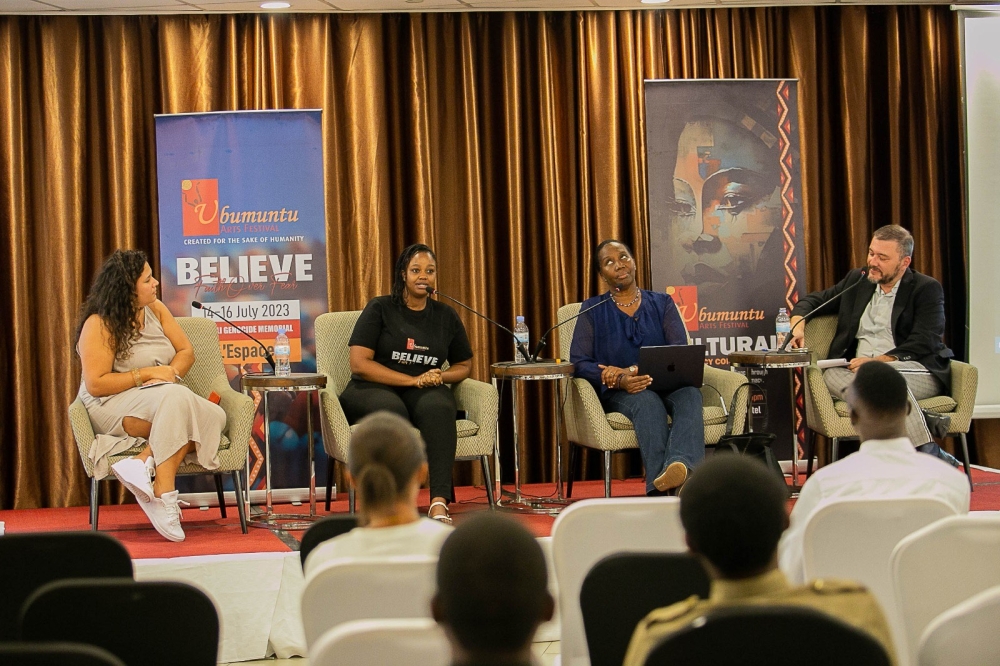
Such formal frameworks provide legitimacy and sustainability, ensuring that artistic diplomacy is woven into the fabric of diplomatic discourse and international relations.
Measuring Success: Beyond Tangible Outcomes
Unlike conventional diplomacy, the metrics of success in cultural diplomacy through art are often intangible. The ripple effects—heightened empathy, dismantled stereotypes, and resilient friendships—frequently elude quantification. These subtle shifts, however, often pave the way for more formal cooperation and dialogue in the long term.
Success manifests as changed perceptions, enriched cultural narratives, and the creation of shared memories that endure beyond immediate political agendas.
In the grand quest to bridge differences, wielding a brush might seem a small, even whimsical act against the weight of global complexities. Yet, as history and experience repeatedly suggest, cultural diplomacy through art wields an incomparable power—a power to inspire, to humanize, and ultimately, to unite. The challenge remains: will we dare to pick up the brush and together paint a world less divided and more connected?


Leave a Comment