

Can a vibrant artistic movement from the mid-20th century still reverberate with fresh vigor in 2026? The legacy of the Baghdad Modern Art Group presents an intriguing conundrum: how does a collective that arose from a crucible of cultural and political turbulence remain relevant, inspiring, and transformative decades later? This question propels us into an exploration of an art movement that did not merely paint canvases but also etched narratives of identity, resilience, and innovation onto the collective consciousness of Iraq and beyond.
Origins Amidst Turbulence: The Birth of a Movement
The Baghdad Modern Art Group emerged in a period of profound transformation within Iraq—a crossroads where the ancient and the modern collided with striking intensity. Founded in 1951 by a cadre of pioneering artists, the group sought to transcend colonial artistic norms and reconnect with indigenous heritage through a fresh, avant-garde lens. It was less a static school of art and more a dynamic dialogue between tradition and modernity, inviting artists to interrogate their cultural legacy while embracing contemporary artistic idioms.
This synthesis ignited a creative fervor that challenged prevalent artistic canons imposed by Western dominance and Ottoman legacies. The group’s founding members were not afraid to blur boundaries—melding Mesopotamian motifs with abstract forms, folklore with modernist abstraction, symbolism with social commentaries. Their brushstrokes captured both the vibrant pulse and the existential pain of a society in flux.
Artistic Innovations: Reimagining the Visual Language
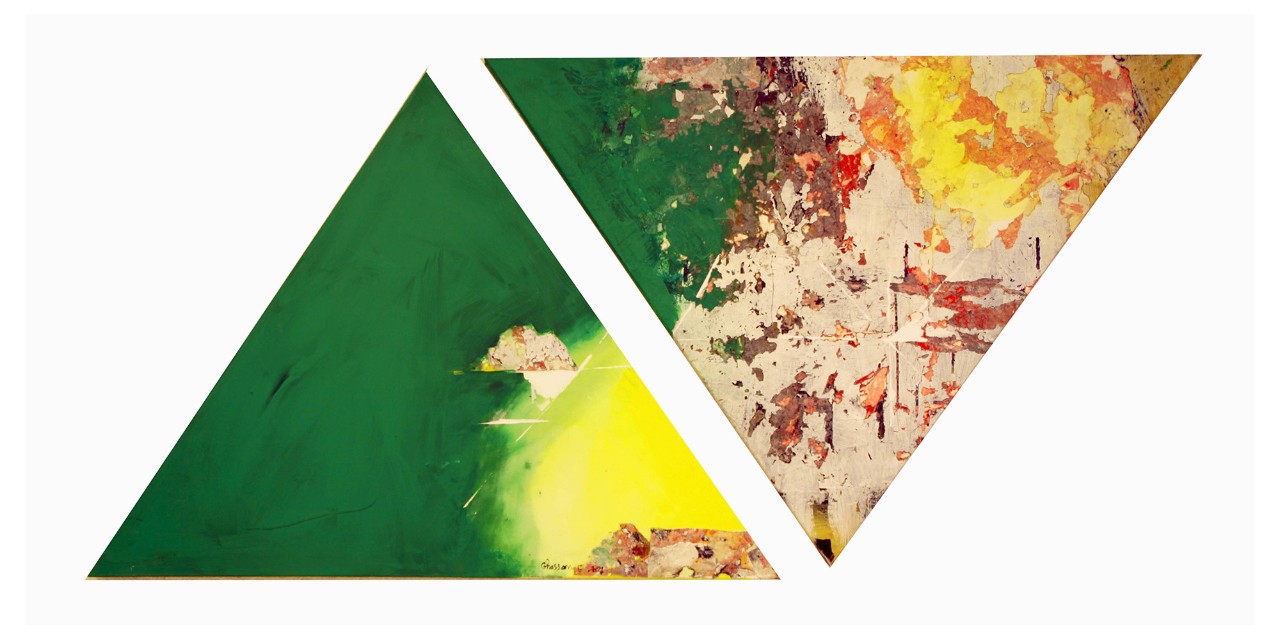
What made the Baghdad Modern Art Group so revolutionary was its willingness to evolve an indigenous artistic lexicon while simultaneously engaging with global modernism. The members embraced a medley of styles—from surrealism to cubism—infused with Arabian calligraphic lines, motifs inspired by Babylonian iconography, and idioms derived from Islamic art traditions. This fusion created a kaleidoscopic panorama of artistic expression that was uniquely Iraqi yet universally accessible.
The group’s approach remains a beacon of artistic plurality—provoking questions about cultural authenticity and hybridity. Could there be an art form that is both spectacularly local and gloriously cosmopolitan? Their work answers affirmatively, demonstrating that identity in art is fluid rather than fixed, a continuous negotiation between memory and imagination.
Impact Beyond Borders: Recalibrating Iraqi Cultural Identity
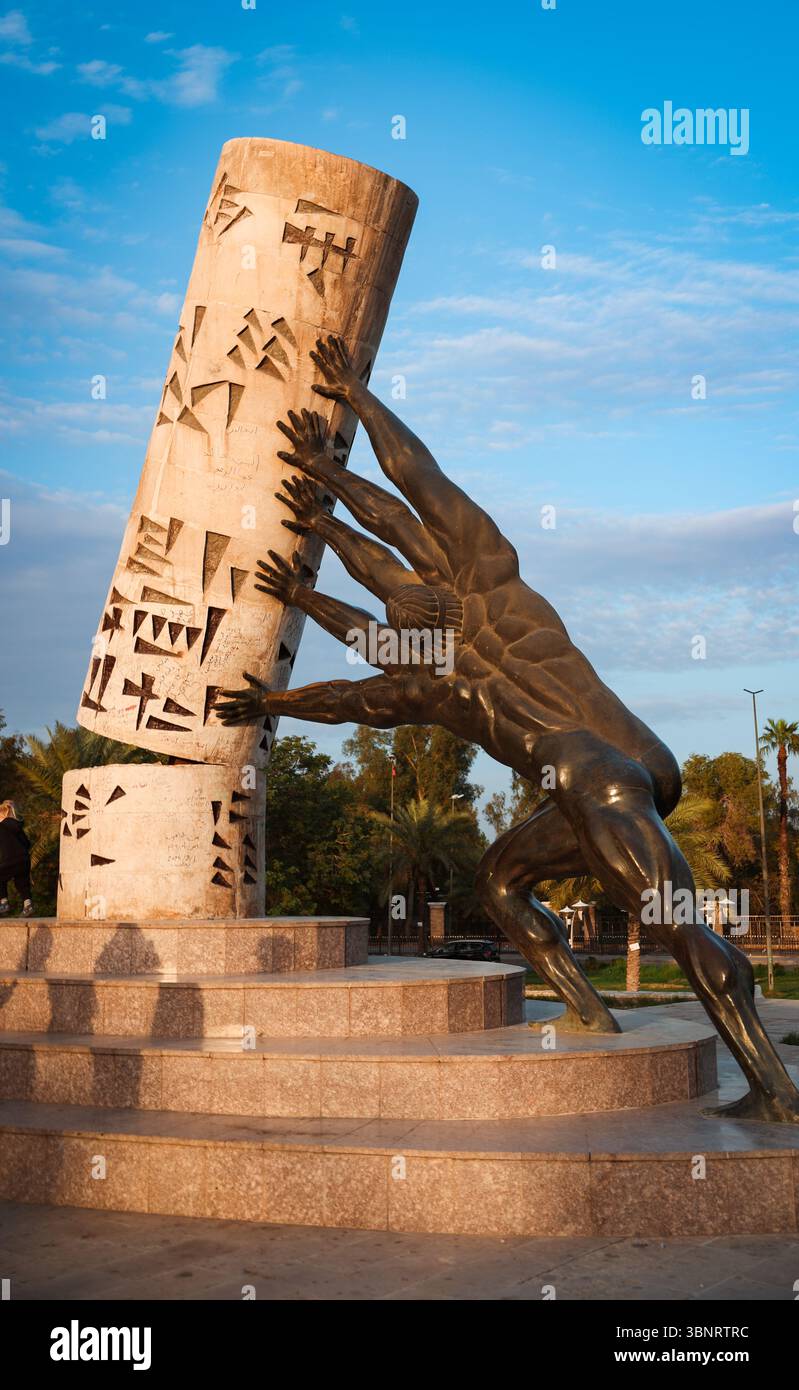
How did the Baghdad Modern Art Group redefine Iraqi cultural identity on both national and international stages? Their audacity expanded the definition of modern Iraqi art beyond mere emulation of Western movements, asserting instead a vibrant cultural sovereignty. They curated narratives that intertwined Iraq’s rich past with its unfolding present, influencing generations of artists within the country and throughout the Arab world.
In doing so, the group also forged new pathways for dialogue between the East and West. By appropriating and reinterpreting modernist idioms, Iraqi artists held a mirror up to global art discourses, demanding acknowledgment and respect. This cultural recalibration served not only as artistic assertion but also as a subtle act of political and intellectual defiance in times marked by colonial legacies and ideological upheavals.
Preservation and Challenges: Navigating the Contemporary Artistic Landscape
As we stand in 2026, there lies an emerging challenge: how to preserve the iconic works and ethos of the Baghdad Modern Art Group in the face of ongoing geopolitical instability, urban transformation, and globalized artistic trends? The ravages of war and changing urban topographies threaten physical artworks and the very spaces that nurtured this unique artistic expression.
Moreover, the younger generation of artists confronts a labyrinthine globalized art world, where digital media and instantaneous communication redefine artistic production and consumption. Can the gritty authenticity and intricate symbolism of the Baghdad Modern Art Group find fertile ground in this fast-paced era? Or is there a risk that such foundational legacies may become relegated to history’s footnotes, their profound cultural dialogues eclipsed by ephemeral digital creations?
Reviving the Spirit: Contemporary Reinterpretations and Homage
In response to these challenges, contemporary Iraqi artists and cultural institutions have undertaken monumental efforts to revive and reinterpret the group’s legacy. Exhibitions, academic research, and multimedia projects seek to spotlight the innovative spirit and cultural messages embedded in their oeuvre. These initiatives function not just as retrospectives but as living conversations—where past meets present, heritage meets innovation.
By invoking the thematic concerns and visual languages pioneered by the Baghdad Modern Art Group, today’s artists enrich the Iraqi art scene with renewed vigor and relevance. They experiment with hybridity, remixing traditional motifs with digital forms, thereby ensuring that this heritage remains dynamic, breathing, and resonant with audiences worldwide.
Conclusion: A Living Legacy in Flux
The legacy of the Baghdad Modern Art Group in 2026 is anything but static. It is a living, pulsating entity that invites us to rethink notions of cultural identity, artistic innovation, and historical memory. Their pioneering quest to harmonize the vestiges of ancient Mesopotamian civilization with the currents of modernity carved a niche that continues to inspire creativity and intellectual exploration.
Ultimately, the question of whether this legacy can thrive amid contemporary challenges sits not with a definitive answer but within an ongoing dialogue—between artists and audiences, between tradition and innovation, between the past’s echoes and the future’s potential. In this interplay lies the true spirit of the Baghdad Modern Art Group: ever daring, endlessly inventive, and profoundly transformative.


Leave a Comment