

In the kaleidoscopic realm of contemporary art, a fascinating metamorphosis quietly unfolds. The once ubiquitous skull—an emblem of mortality, rebellion, and existential contemplation—is gradually being eclipsed by a seemingly gentler yet equally potent symbol: the flower. This transition is far more than a mere trend. It is a profound shift in perspective, a reimagining of themes that continue to captivate human imagination. Flowers, with their diverse anatomy and rich symbolism, promise not only to dethrone but also to redefine the visual lexicon of modern artistic expression. Why does this shift matter? And how do flowers usher in a new era of evocative visual narratives that once belonged solely to the skull?
The Enduring Allure of Skulls in Art
Skulls have held a formidable position in artistic iconography for centuries. They are potent signifiers of life’s transience, mortality, and sometimes cosmic mystery. The visceral, often macabre appeal of skulls has been irresistible to artists and audiences alike. It serves as a memento mori—a stark reminder of death that paradoxically urges life’s appreciation. The skull’s skeletal geometry lends itself to myriad interpretations, from gothic edginess to philosophical depth. In the cultural zeitgeist, skulls evolved into symbols of counterculture, rebellion, and an unflinching stance against societal norms. Yet, despite, or perhaps because of its formidable symbolism, the skull inevitably suggests finality and cessation.
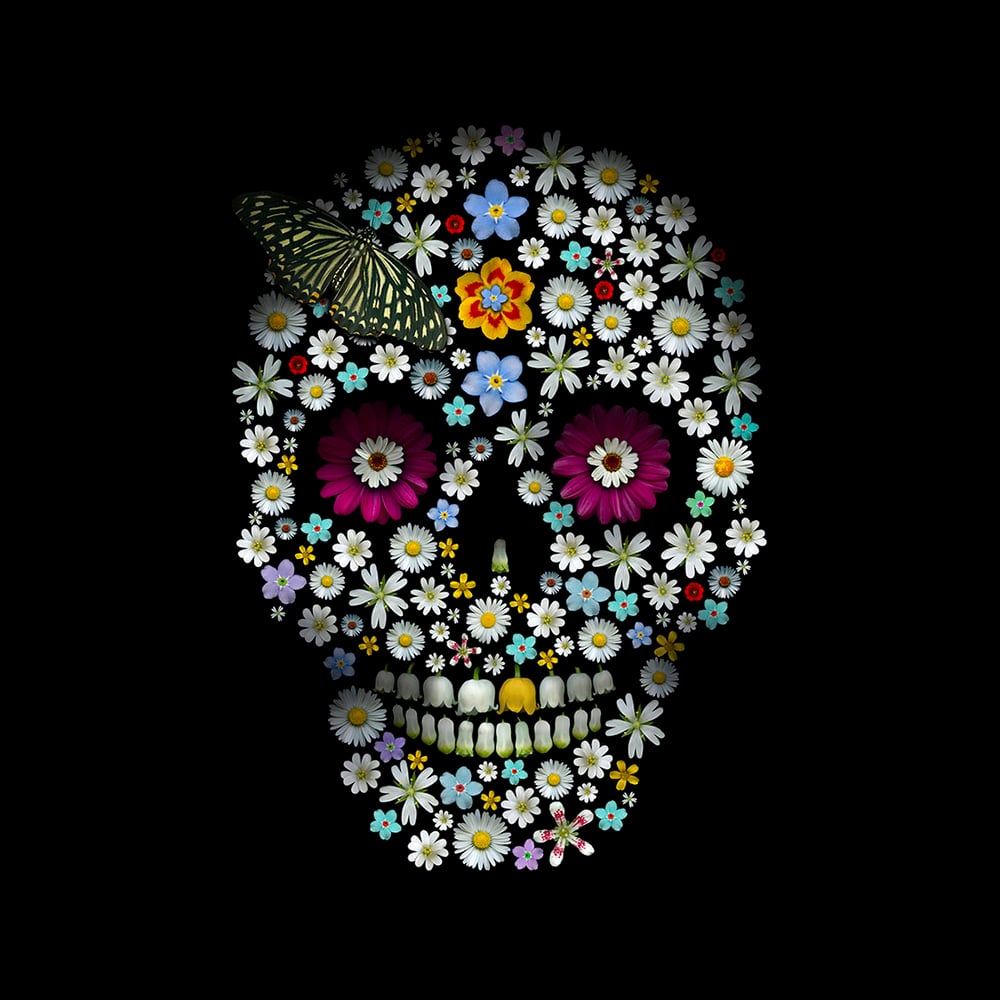
But times change, as do cultural sensibilities. Contemporary artists are beginning to entwine the traditional imagery of skulls with a softer, more nuanced counterpoint—flowers. This hybrid motif acknowledges mortality but simultaneously celebrates life’s delicate, transient beauty.
Flowers: Symbolism Beyond Beauty
Flowers are not simply ornamental. Their symbolism spans a kaleidoscope of concepts: rebirth, fragility, resilience, cultural rituals, and even sacred mysteries. Unlike the starkness of the skull, flowers evoke a spectrum of emotions—hope, nostalgia, love, melancholy. Their ephemeral nature is paradoxical; though transient, they embody renewal and cyclical existence. This duality makes flowers fertile ground for exploration in contemporary art, inviting audiences to meditate on themes of impermanence and continuity simultaneously.
The intrinsic variability of flowers—their colors, forms, and scents—allows artists to infuse their work with layers of meaning. Where a skull represents the inevitability of death, flowers suggest possibilities beyond it. They flirt with ideas of transformation and metamorphosis, a continuous dance from decay to blossoming vitality. This ontology of growth and decay resonates with a generation increasingly attuned to ecological fragility and spiritual rejuvenation.
Intertwining Life and Death: Floral Skulls as an Emerging Iconography
One of the most compelling manifestations of this paradigm shift is the floral skull motif—an intricate fusion that simultaneously honors mortality and vitality. Artists depicting skulls adorned or intertwined with flowers create an arresting visual tension and harmony. This duality mirrors the human condition: the inseparability of life and death, beauty and decay.

Through this juxtaposition, floral skull art transcends gothic morbidity and offers a lens that humanizes death. The skeletal outline becomes a skeleton key unlocking a narrative rich with hope, resilience, and transformation. This approach also softens the cultural association of skulls with fear and destruction, instead suggesting that death and beauty coexist in an intricate cosmic balance.
Ecological Consciousness and the Rise of Natural Motifs
In contemporary discourse, environmental awareness has surged into the artistic mainstream. The flower’s prominence over the skull reflects not only aesthetic preference but also a collective cultural consciousness grappling with ecological crises. Flowers symbolize the planet’s fragility and the urgent need for stewardship. They are microcosms of ecosystems—biodiverse and vital.
Artists are channeling nature’s vulnerability and resilience through floral imagery, weaving messages of conservation and respect for life’s interconnectedness. This naturalistic motif invites viewers to reconsider humanity’s place within a larger living network rather than viewing existence through detached or nihilistic lenses represented by the skull.
The Blooming Future of Contemporary Art
As flowers continue to blossom in the visual fields once dominated by skulls, they herald an exciting era of artistic reinterpretation. This new iconography speaks to evolving values—embracing complexity, celebrating transformation, and nurturing empathy. Flowers encourage a contemplative engagement with themes of ephemerality and regeneration that are deeply relevant in today’s sociocultural and environmental milieu.

Ultimately, this shift from skulls to flowers embodies a broader desire to look beyond destruction and finality. It is an invitation to perceive beauty in the ephemeral, to find solace in cycles of decay and growth. Flowers do not merely replace skulls—they transform the conversation around existence, inviting a more nuanced, hopeful, and poetic engagement with life’s most profound truths.
In the ever-evolving tapestry of contemporary art, flowers emerge not just as motifs but as metaphors for resilience, transformation, and the eternal dance between life and death. They spark curiosity, inspire reflection, and promise that the language of art will continue to bloom in unexpected and beautiful ways.


Leave a Comment