

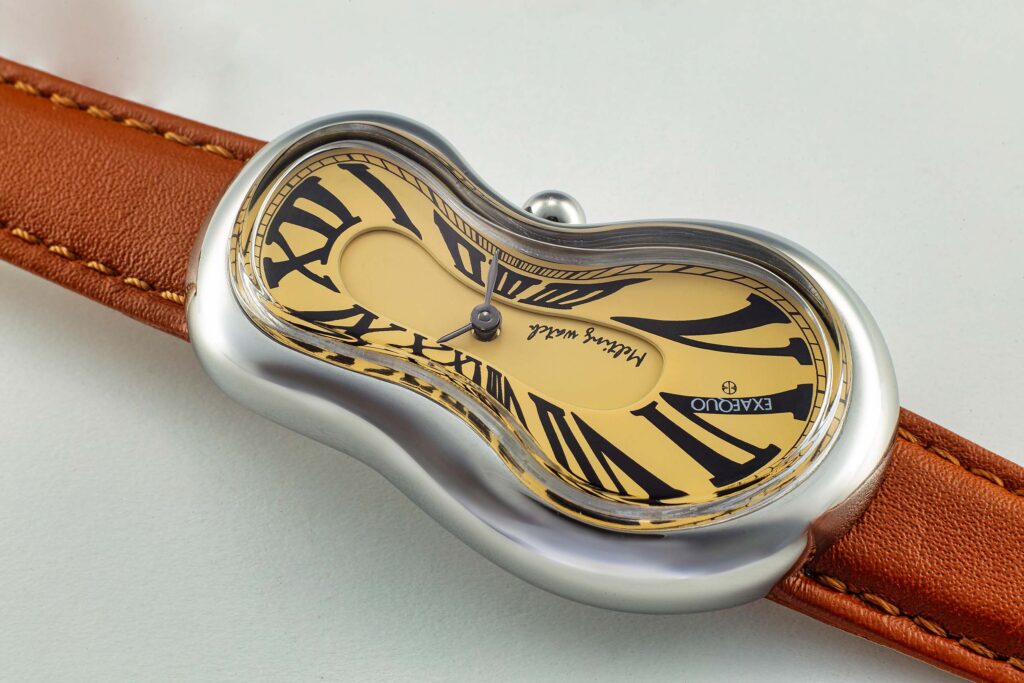
The year 2026 ushers in a fascinating cultural icon: the Melting Watch. More than just a surreal artistic motif, this emblem becomes a clarion call that intertwines the intangible realms of time, art, and the stark realities of climate anxiety. This phenomenon promises to shift perspectives, captivating imaginations while demanding urgent reflection about our ever-warming planet. As the fluid form of the watch distorts conventional timekeeping, it simultaneously warps familiar notions of permanence in a world that is becoming increasingly fragile and unpredictable.
The Origins of the Melting Watch: A Surrealist Reverie Reborn
The melting watch concept traces its roots to early 20th-century surrealism, a movement dedicated to unraveling the profundities hidden beneath reality’s surface. This fluid, distorted timepiece—first immortalized by the visionary Salvador Dalí—embodied time’s elusive nature and human memory’s fragile fabric. The 2026 iteration rejuvenates these ideas, blending classical surrealism with contemporary anxieties, especially the disquiet caused by the climate crisis. The watch’s soft, malleable frame speaks poignantly to a world whose once-solid foundations now seem vulnerable to the relentless march of ecological degradation.

Time as an Elastic Concept: Challenging Linear Perceptions
In its traditional sense, time is rigid—a relentless, linear progression measured through clocks and calendars. The melting watch metaphor subverts this idea by rendering time elastic and malleable, much like the plasticity of our planet’s ecosystems under duress. This distortion invites viewers and thinkers to reconsider how humanity perceives time amidst accelerating climate change. Are we witnessing time elongate, offering us windows to act, or is it compressing, racing towards irreversible tipping points? The surreal tangle of the watch’s drooping form captures this ambiguity, creating a visual metaphor for the compression of future prospects and the elasticity of hope.
Climate Anxiety and the Collective Psyche
Climate anxiety—an emergent psychological condition—reflects widespread unease about the planet’s future. The melting watch of 2026 embodies this malaise on a symbolic plane. It mirrors the way traditional structures of reassurance, like time’s predictability, are dissolving under the incursion of environmental crises. Its warped clock face stands as a haunting reflection of nature’s destabilization, conjuring emotions ranging from unease to urgent activism. This emblem not only captures the pervasive dread but also serves as a rallying point for collective consciousness, urging society to reconcile with impermanence and uncertainty.
Art as a Catalyst for Environmental Discourse
The resurgence of the melting watch motif underscores art’s indispensable role in shaping discourse around climate change. Visual expression transcends linguistic and cultural barriers, allowing the surrealist icon to puncture through apathy and inertia. As this symbolic watch melts, it liquefies conventional boundaries, fostering cross-disciplinary conversations that merge aesthetics, science, and ethics. It challenges observers to grapple with the paradox of time slipping away even as humanity strides precariously into an uncertain future.

Aesthetic Innovations and the New Wave of Surrealism
The 2026 melting watch is not a mere echo of the past but a reinvention embracing cutting-edge design and contemporary surrealism. Artists incorporate digital manipulation, hyperrealistic textures, and unexpected juxtapositions to breathe new life into the symbol. The watch’s dissolving contours often merge with environmental elements—like deserts stretching endlessly or water laps licking the edges—thereby emphasizing ecological themes. This synergy of form and content nurtures a profound aesthetic innovation that makes the symbolic deeply tangible. The melting watch thus becomes a nexus where art’s historical lineage meets urgent futuristic concerns.
Promising a Paradigm Shift in Perspective
The melting watch of 2026 beckons a radical shift in how time and environmental responsibility are perceived. It compels a reorientation—from passive observers of nature’s decline to active participants in planetary stewardship. By destabilizing time’s supposed objectivity, it nurtures a contemplative space wherein urgency coexists with patience, despair with hope. Viewers are invited to embrace the fluidity of time and adapt their mental frameworks, recognizing that flexible, innovative thinking is indispensable for environmental redress. In essence, the watch promises not only an artistic vision but a cognitive reframing, one that could galvanize transformative action.
Invoking Curiosity and Catalyzing Dialogue
At its core, the melting watch is an enigma—a paradoxical object that invites curiosity and interpretation rather than definitive answers. This ambiguity is its strength. It piques inquisitive minds to delve deeper, to question the assumed stability of time and environment alike. What does it mean for a watch to melt? How do we measure time when conventional frames falter? The icon serves as a potent conversation starter, igniting debates that encompass philosophy, ecology, psychology, and art. It encourages a collective interrogation of what time means in an epoch defined by unpredictability and disruption.
Conclusion: Melting Time, Melting Barriers
The Melting Watch of 2026 transcends its historical surrealist origins to become a vibrant symbol of a world in flux. It encapsulates the epochal zeitgeist defined by climate anxiety while fostering a transformative vision of time as an elastic, mutable force. This shifting perspective promises to influence not only artistic horizons but also societal and psychological approaches to urgency and change. The watch dissolves barriers—between disciplines, generations, and ideologies—inviting a reimagined relationship with time and environment. As its face drips and bends, so too does the call for a more fluid, resilient, and hopeful engagement with our planet’s precarious future.


Leave a Comment