

What if the architecture we inhabit tomorrow is not built solely from bricks and mortar, but from the very fabric of our subconscious? The year 2026 heralds a new era where the architecture of dreams transcends mere imagination, transforming into tangible spaces that challenge our perception of reality. This playful yet profound question invites us to dive into the labyrinthine corridors of surrealist spaces — environments where the impossible finds form and the familiar is artfully distorted. Yet, how do we grapple with designing spaces that are inherently fluid, unpredictable, and imbued with the essence of dreams themselves?
The Genesis of Surrealist Architecture: Beyond Conventional Boundaries
Surrealism, long celebrated as an artistic movement, now infuses the architectural lexicon with its eccentric ethos. It dares to dissolve the boundaries between the conscious and unconscious, marrying logical construction with illogical whimsy. In 2026, architects are increasingly emboldened to embrace this departure from predictability, employing biomorphic shapes, shifting geometries, and dream-induced symbolism to craft environments that pulse with enigmatic vitality.
Imagine a façade that mimics the undulating waves of a dreamer’s mind, or interiors where gravity’s law fluctuates—walls curve softly like ripples across a pool, while ceilings seem to breathe and swell. Such spaces resist the sterility of modern minimalism and tap into the protean quality of dreams, offering users more than shelter—they become realms of introspection and playful perplexity.
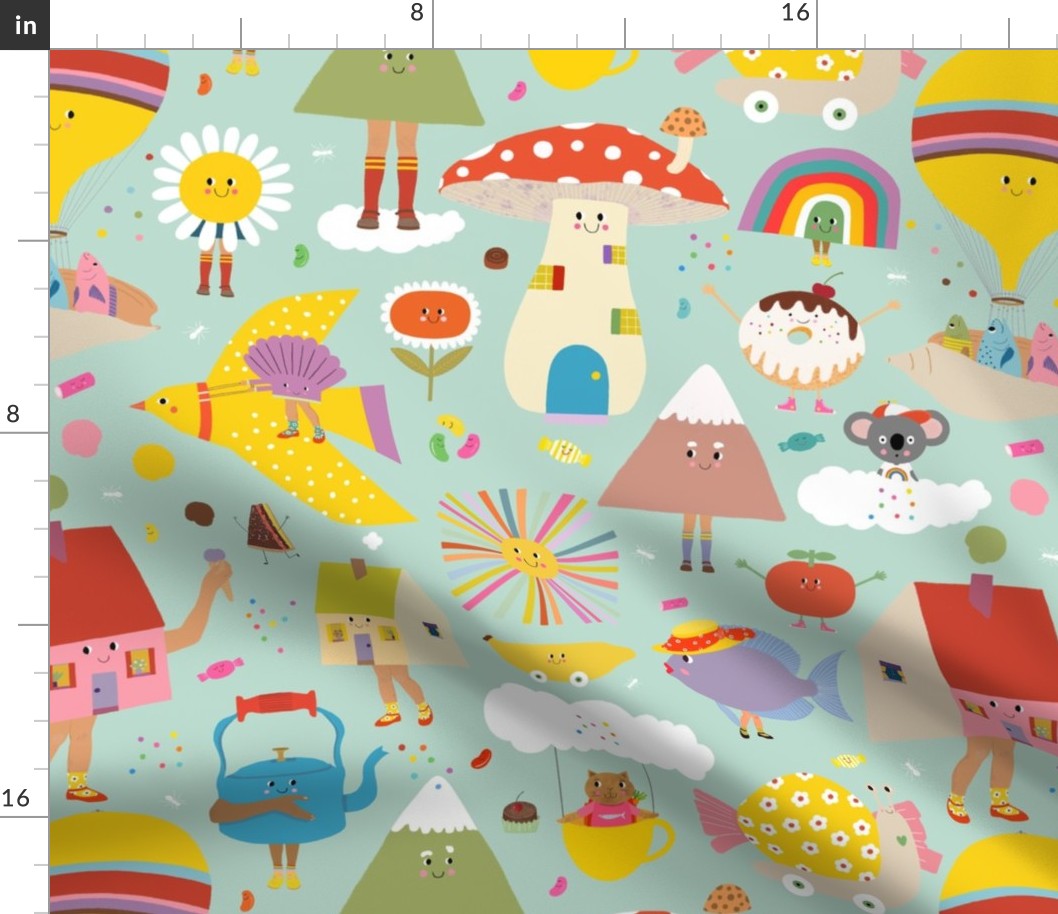
Architectural Alchemy: Materials and Technology in Surrealist Space Creation
How can physical materials capture the ephemeral nature of dreams? This remains a salient challenge for creators of surrealist environments. New-age materials that flex, morph, or glow offer unprecedented versatility. Imagine walls embedded with responsive polymers that shift translucency or texture based on emotion or environmental stimuli. Add augmented reality overlays that manifest abstract thoughts into spatial realities, blending the tactile with the intangible.
These technological innovations empower architects to transmute dreamscapes into inhabitable forms. For instance, interactive surfaces can project distorted realities or fluid narratives that shift continuously, like the nonlinear flow of dreams. The enchantment lies in transforming the static into the mutable, guiding occupants through an immersive experience that continuously defies anticipation.

Psychological Resonance: Emotion and Memory in Surrealist Environments
What if architecture could reach into the depths of human psyche, evoking memory, nostalgia, or even the uncanny? Surrealist spaces, imbued with metaphors and symbolic motifs, act as psychological canvases where emotion and cognition dance. Through deliberate juxtapositions—contradictory scales, unexpected perspectives, and cryptic imagery—these spaces provoke self-reflection and open portals into personal mythologies.
Walking through a dreamlike setting, an occupant may encounter staircases that ascend into seemingly infinite voids, or doorways that reveal paradoxical vistas. Such elements heighten awareness of one’s internal landscape, blurring the line between mental and physical domains. Surrealist architecture invites a dialogue where spaces do not merely exist but ensnare the imagination, rekindling wonder and introspection.

Challenges of Dream-Woven Design: Navigating the Paradox of Functionality
However dazzling and evocative, designing dreamlike architecture faces inherent paradoxes. Can spaces that flout conventional physical norms remain functional and comfortable? How do architects reconcile fluidity and instability with the pragmatic demands of safety, accessibility, and usability?
This playful but critical challenge demands innovative problem-solving. Hybrid designs that meld surreal aesthetics with adaptable modular components may provide a solution—spaces that shift upon need, offering both whimsical expansions and grounded utility. Beyond structural concerns lies the challenge of cultural interpretation; dreams are deeply personal, so how can universally resonant spaces be crafted without losing intimate specificity?
The Cultural Implications: Surrealist Spaces as New Social Catalysts
Surrealist architecture is not just an artistic escapade but a potential cultural revolution. By fostering environments that reject uniformity, these spaces encourage freer modes of interaction and creativity. They become social catalysts where collaboration, playful encounters, and alternative narratives can flourish.
Consider public spaces that mimic nightmare and reverie alike, where citizens navigate landscapes that reflect dream logic rather than rigid order. Such environments might spur new forms of community bonding through shared sense of wonder and exploration, while challenging established notions of urban design and public utility.
In a rapidly evolving world, the architecture of dreams in 2026 beckons us to brave a new frontier—a fusion of art, neuroscience, technology, and culture that reimagines habitation on a profoundly evocative level. The challenge remains bold but exhilarating: can we design spaces that hold the mercurial essence of dreams without unraveling their own practical cords? As we traverse these surreal realms, we might discover that inhabiting dreams is not a mere fantasy, but the next step in the architectural odyssey.


Leave a Comment