

In the vast panorama of artistic expression, distortion emerges as a compelling vehicle—not just for creative ingenuity but for a deeper, more candid portrayal of reality. Far from being a mere manipulation or aberration, distortion reveals truths often obscured by the rigid frameworks of conventional representation. It dares to expose underlying emotions, societal constructs, and psychological textures that straightforward depictions often fail to capture. This exploration unveils why distortion stands as the most honest form of representation, illuminating multiple layers that conventional realism tends to gloss over.
The Essence of Distortion: Beyond Mere Deviation
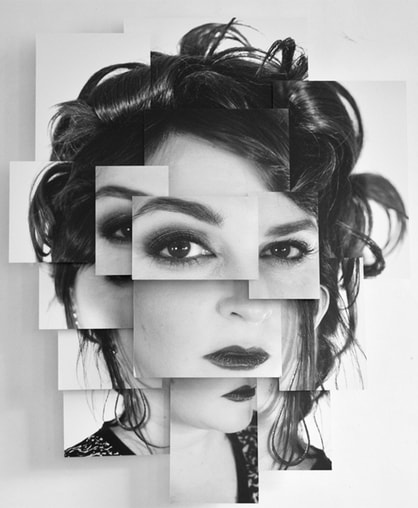
Distortion, by definition, implies a departure from the norm, a reshaping that challenges perceptual conventions. Yet, it is precisely through this deviation that artists, photographers, and creators distill experiences to their core. When a human figure is elongated, fragmented, or warped, it encapsulates a psychological truth or an emotional reality that transcends physical accuracy. This translucent honesty removes the veneer of superficial perfection and reveals the raw, multidimensional nature of the subject.
Distortion as Emotional Amplification
At the heart of distortion lies the power to amplify emotion. Unlike sanitized realism, which often prioritizes external accuracy over internal experience, distortion magnifies feelings, memories, and impulses. The fluidity of a distorted photograph or artwork can capture the turmoil, ecstasy, or melancholy of a moment with an immediacy unmatched by photographic fidelity. This emotional intensity connects audiences on a visceral level, translating intangible sentiments into tangible imagery.

A Multisensory Experience: Visual and Conceptual Layers
Distorted representations engage viewers in a multisensory dialogue. They challenge perception and invite interpretation, pushing audiences to decipher nuances hidden within the warped forms and fragmented structures. This method of representation fosters active participation rather than passive observation, urging viewers to explore the conceptual depths beneath the visual surface. The interplay of light, shadow, and anomalous shapes incites a dynamic cognitive process, where meaning is both constructed and discovered.
The Philosophical Paradigm: Truth in Inaccuracy
Paradoxically, distortion reveals a philosophical position rooted in existential and phenomenological thought—truth is not synonymous with precise replication. Reality is subjective, multifaceted, and often chaotic. To capture its essence, artists must transcend objective imitation and embrace alternative modes of representation. Distortion acts as a lens into subjectivity, portraying what lies beneath appearances: fragmented identities, fluctuating realities, and the invisible contours of human consciousness. In this sense, distortion mirrors the fluidity of existence itself.
The Spectrum of Distortion: Techniques and Mediums
The honesty of distortion unfolds across a rich spectrum of techniques and mediums. From photographic manipulations that twist perspectives and morph proportions, to painted abstractions that emphasize emotional gradients and conceptual dissonance—each approach conveys unique insights.
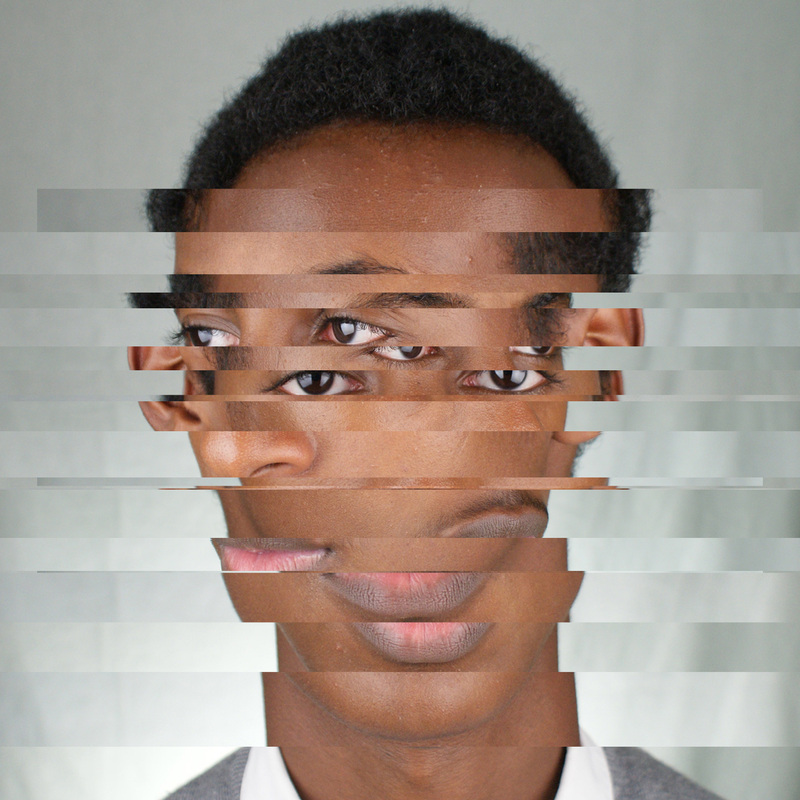
Photographic distortion, for example, can incorporate fisheye lenses, multiple exposures, or digital alterations to subvert expectations. These tools transform ordinary scenes into profound commentaries on perception and reality. In painting and drawing, elongation, blurring, and exaggeration serve to communicate psychological states rather than literal appearances.
Social and Cultural Critique Through Distortion
Beyond personal and psychological realms, distortion functions as a potent instrument for social and cultural critique. By exaggerating, fragmenting, or warping human figures and urban landscapes, creators expose the fractures within society—inequalities, absurdities, and tensions often left unspoken. This candid depiction compels viewers to confront uncomfortable realities that straightforward representation might sanitize or omit. Distortion thus becomes a form of resistance and revelation, a space to question dominant narratives and advocate for marginalized voices.
Authenticity in an Age of Perfection
In an era dominated by high-definition imagery and relentless pursuit of perfection, distortion reclaims authenticity. It shatters illusions of flawlessness by spotlighting imperfections, tensions, and unpredictability. This defiance of idealized norms resonates profoundly, providing a refreshing alternative to the homogenized and often superficial depictions of life. The honesty of distortion lies not in its fidelity to visual exactness but in its embrace of the imperfect, the transient, and the profoundly human.
Conclusion: Embracing Distortion as Honest Representation
Distortion redefines the boundaries of representation by unveiling what is usually concealed beneath surface appearances. Its power to amplify emotion, invite interpretative engagement, and critique societal constructs makes it an unrivaled mode of truthful storytelling. Through distortion, creators capture the fluid complexities of human experience that conventional realism often overlooks. Embracing distortion is to acknowledge that reality itself is often fragmented, subjective, and enigmatic—and that the most honest portrayal honors this beautiful imperfection.


Leave a Comment