

In the luminous corridors of artistic exploration, an intriguing juxtaposition emerges when the ethereal elegance of Venice collides with the raw, often unruly world of messy painting. This meeting is no mere superficial encounter; rather, it encapsulates a profound dialogue—a “minor key” that resonates deeply within contemporary perceptions of chaos, creativity, and the sublime. The allure of messy painting, with its spontaneous brushstrokes and surging energy, serves as a metaphorical counterpart to Venice, a city famed for its labyrinthine waterways and timeless beauty. Together, they compose a symphony of disorder beneath a veneer of cultivated grace.
The Surprising Aesthetic of Disorder
There is an almost paradoxical beauty in disorder. At first glance, chaotic paintings might appear haphazard, even reckless. Yet, upon closer inspection, these works reveal a meticulous orchestration of unpredictability. The “mess” is imbued with intention, a deliberate surrender of control that fosters organic evolution on the canvas. This kind of expression taps into something primal: an acknowledgment of impermanence and flux. Venice, with its weathered facades and shifting tides, mirrors this phenomenon seamlessly. The city is a living organism, its beauty intensified by the very instability that threatens its existence.
Messy painting’s appeal lies precisely in this tension. It resists the sterile precision of hyperrealism, instead offering something more visceral, raw, and immediate. The splatters, drips, and smudges become a visual language—an abstract narrative of emotion and experience. This canvas chaos invites viewers to embrace uncertainty, much like navigating the narrow Venetian alleyways where every turn holds a surprise.

Venice: A Tapestry of Complexity and Decay
Venice is a city that defies simplicity. Its very fabric is woven from centuries of cultural confluence, artistic masterpieces, and the inexorable passage of time. When one considers the city’s iconic canals and sumptuous architecture, there is an underlying current of entropy—fading plaster, moss-clad stones, and waters that gradually reclaim what was once solid land. This duality embodies what might be called a “chaotic grace,” a notion that beauty and ruin coexist perpetually.
In this context, Venice resonates as a living metaphor for messy painting. Just as rivers of paint ebb and flow unpredictably across a canvas, the Venetian environment shifts constantly beneath the veneer of urbane refinement. In this ancient scenario of transformation, we observe the dynamics of chaos woven into cultural heritage. This resonates with viewers and artists alike, evoking a fascination with how imperfection can be both fragile and profound.
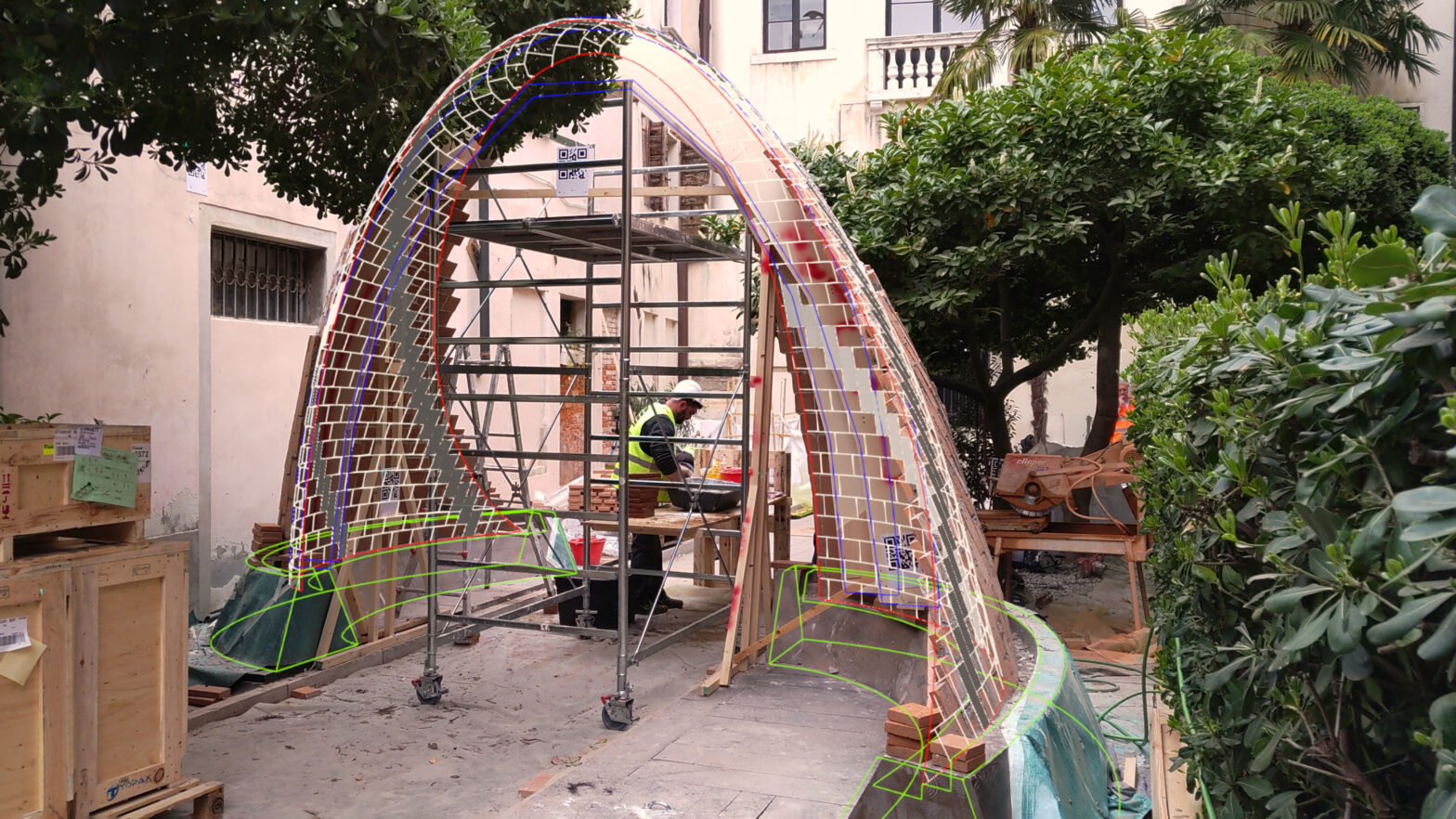
Messy Painting as Emotional Cartography
Delving deeper, messy painting acts like a cartographer’s device, mapping the contours of the human psyche where logic and order often fail. The technique’s embrace of spontaneity allows an artist to bypass the cerebral censor and forge a direct conduit to emotion and subconscious intuition. Each splattered pigment or erratic line delineates territories of unrest, joy, confusion, or transcendence.
In parallel, Venice itself is a temporal map etched by history’s caprices. The city invites exploration not only of its surface beauty but of the stories submerged beneath its tides. Like messy painting, which captures the raw pulse of human experience without strict narrative confines, Venice represents a palimpsest of layers—layers that reveal, conceal, and transform with every glance and touch.
The Minor Key: Subtlety in Chaos
The phrase “minor key” conjures notions of subtlety, introspection, and complexity. It is the quieter underpinning that colors the grand, often overwhelming sonata of life. Messy painting, much like a minor key in music, inhabits that nuanced space where emotions are neither fully jubilant nor wholly despondent but richly ambivalent.
This tonal ambiguity is essential to understanding the collective fascination with chaotic aesthetics. In a world relentlessly striving for polish and perfection, the “minor key” offers a refreshing vulnerability. It whispers truths about the human condition—the imperfect, unpredictable, and transient nature of existence—while providing solace through artistic catharsis. Venice, with its timeworn charm and shifting landscape, echoes this melancholic beauty, demonstrating that impermanence itself can be a source of inspiration and wonder.
The Deeper Allure: Why Chaos Captivates
Why does messy painting captivate us so profoundly? The answer lies in its capacity to reflect our internal chaos, to give form to the intangible and scattered fragments of our experience. In confronting chaotic art, we engage in an act of reconciliation, accepting fragmentation as an intrinsic part of reality.
Venice enhances this allure through its embodiment of the impermanent and the enigmatic. Its crumbling bricks and shimmering canals articulate a dialogue about resilience and vulnerability. Together, Venice and messy painting function as twin conduits toward embracing complexity without anxiety. They encourage viewers to find harmony within disorder, to perceive beauty in the interplay of control and relinquishment, and ultimately to celebrate the unpredictable cadence of life.
In the confluence of Venice and messy painting lies a compelling narrative that transcends aesthetics. It reminds us that chaos is not the antithesis of beauty but often its secret source. Through the minor key of messy painting, we find a lens to appreciate the subtle symphonies of imperfection, the artistry of decay, and the eloquence of disorder. This fusion calls us to revel in flux, to cherish the transient, and to unlock the profound emotions dwelling at the threshold of chaos and creation.


Leave a Comment