

In a world awash with vivid hues and exuberant displays, there emerges a rare and captivating phenomenon that bridges the emotional chasm between joy and sorrow: the melancholic bloom. At the Biennale, this poignant floral expression is not merely a decorative motif but a profound narrative device—a floral pop in a minor key that resonates with the subtle complexities of human experience. It invites viewers to engage with beauty tinged by wistfulness, to appreciate the delicate interplay of fragility and resilience encapsulated in withering petals and muted palettes.
The Conceptual Underpinnings of Melancholy Blooms
Floral art traditionally celebrates vitality and growth; however, the melancholy bloom subverts this trope by embracing impermanence and introspection. These blooms convey an elegiac tone, evoking memories and emotions that linger on the edge of consciousness. Through the lens of the Biennale, artists explore this duality—life and decay existing in symbiotic tension. The result is a compelling dialogue that transcends aesthetics, drawing the audience into a contemplative state where beauty is inseparable from the passage of time.
These themes evoke the baroque theatricality of vanitas paintings yet manifest with a contemporary touch—showcasing flora that, while fading, refuses to surrender its dignity. Visitors can anticipate encountering works where the bloom’s ephemeral nature is celebrated rather than concealed, underscoring the ephemeral essence of all living things.
Visual Narratives: From Withering Blooms to Vibrant Cave Florals
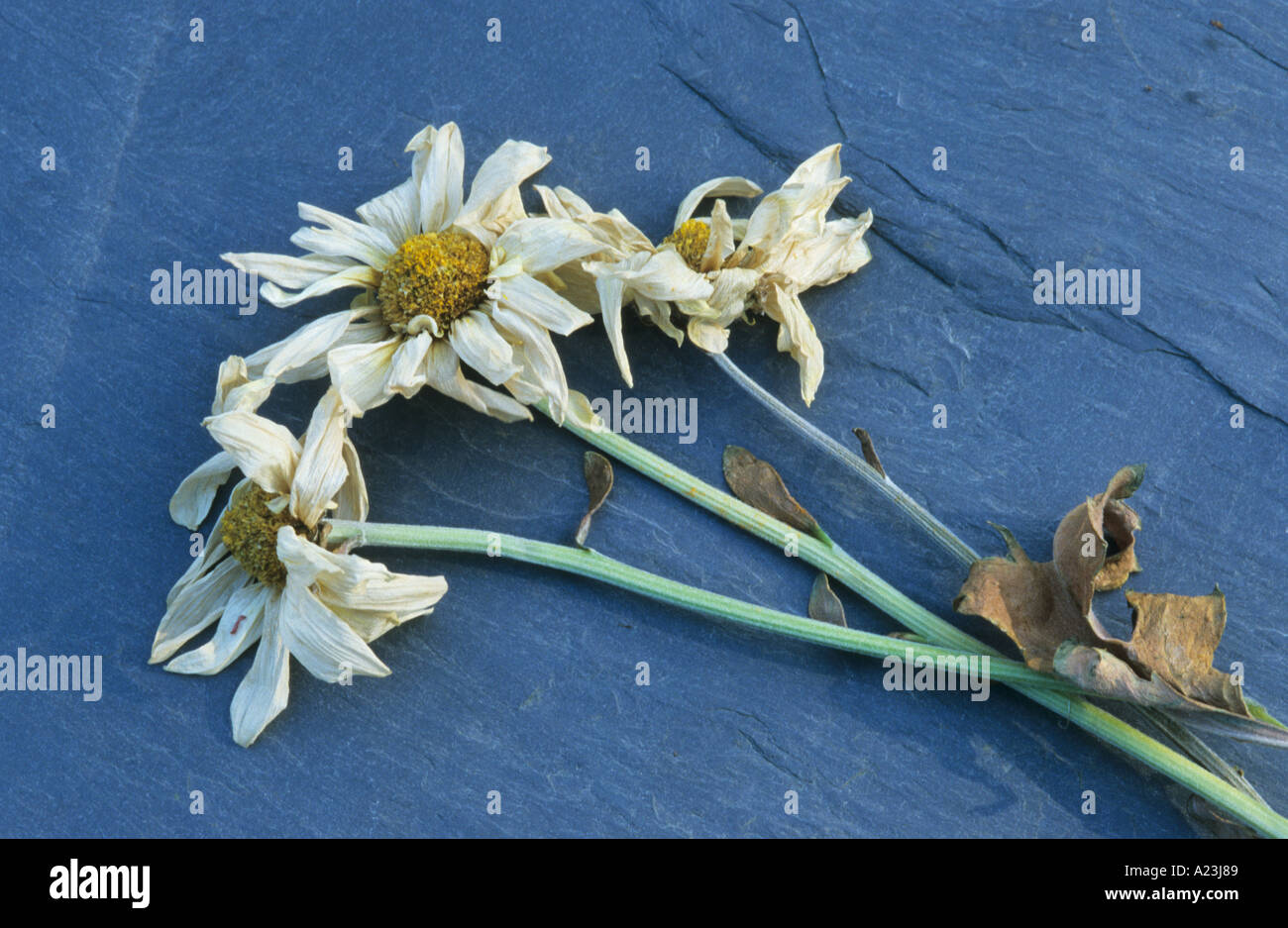
The Biennale’s curation encompasses a fascinating spectrum, ranging from almost sorrowful decay to surprising bursts of high-key vibrancy. One cannot overlook the haunting images of withering blooms, where drooping petals and muted earth tones conjure a sense of quiet resignation and fragile elegance. These visuals act like conduits for meditation on mortality and the bittersweet beauty in decline.
Conversely, vibrant cave blooms offer a compelling counterpoint. These electric bursts of color emerge almost defiantly against shadowed geological formations, blending natural history with artistic innovation. The striking contrast between vivid petals and dark surrounds dramatizes floral resilience. Here, color theory takes an intriguing twist—high-key florals do not just signify joy but also an intense, almost reverberating presence that commands attention and invokes a spectrum of complex emotions.

Emotional Resonance and Symbolism
Melancholy in floral forms is not simply about sadness; it embodies a nuanced emotional vocabulary. The blooms symbolize grief but also endurance, reminding us of the cyclical nature of existence. Their presence at the Biennale encourages introspection, inviting viewers to confront the ephemeral nature of beauty and, by extension, life itself.
This emotional resonance is amplified by the careful selection of species and compositions. Flowers such as faded roses, drooping lilies, and muted chrysanthemums each contribute their unique symbolic weight—from lost love and mourning to reflection and solace. The composition of these flowers within their installations often mimics natural decay, with petals curling and stems bending, creating a poignant juxtaposition with the vibrancy of other displays.
Multimedia Installations and Experiential Art
Beyond traditional floral arrangements, the Biennale incorporates compelling multimedia and experiential art forms to deepen the narrative of melancholy blooms. Immersive installations combine soundscapes—ranging from gentle rustling leaves to distant, melancholic melodies—with visual art. This sensory layering facilitates an environment where visitors are enveloped in the emotive ambiance, transforming passive observation into active participation.
These installations may employ projection mapping on floral sculptures or dynamic light play, further amplifying the transient beauty of the blooms. Some exhibits even incorporate the scent of decaying flowers, rendering the experience multisensory and deeply evocative.
Craftsmanship: The Artistry Behind the Scenes
The realization of melancholy blooms demands extraordinary craftsmanship and botanical knowledge. Artisans and florists collaborate to preserve the fleeting stages of floral life, using techniques that emphasize texture, tone, and form. The intricate manipulation of petals, the deliberate choice of color gradations, and the precise staging of decay forge a dialogic space between nature’s spontaneity and human artistic intervention.
Additionally, the integration of technology—such as time-lapse photography showcasing rapid flower decay or digital renderings of blooming cycles—enhances appreciation for the ephemeral. These innovative methods allow audiences to witness the unfolding and withering of blooms in compressed timeframes, creating a visceral understanding of natural processes.

Contextualizing Melancholy Blooms Within Contemporary Art
The presence of melancholy blooms at the Biennale reflects broader trends within contemporary art that value imperfection, vulnerability, and psychological depth. Artists increasingly reject pure escapism, opting instead for expressions that reflect human frailty and existential contemplation. These floral works contribute to dialogues on ecological fragility, emotional introspection, and the aestheticization of transience.
Moreover, this floral narrative aligns with the resurgence of interest in Wabi-Sabi—the Japanese aesthetic of beauty in imperfection and impermanence. Through this lens, the ephemeral and sometimes somber qualities of the blooms offer a counterbalance to modernity’s obsession with permanence and perfection.
How Visitors Engage With the Exhibition
Visitors to this segment of the Biennale can expect a multi-layered experiential journey. The juxtaposition of imagery—ranging from decayed blooms to vibrant blossoms—invokes a spectrum of feelings. Guided tours often enrich the experience by offering insights into the symbolism and botanical intricacies behind each piece, while interactive stations invite visitors to contribute their own reflections through art or prose inspired by the display.
Reflective spaces within the exhibition encourage quiet contemplation, making the Biennale not just a visual feast but a sanctuary for emotional and intellectual engagement. Expect to leave with a heightened awareness of beauty’s transitory nature, as well as a deeper empathy for the quiet narratives that often go unnoticed.
Conclusion: The Lasting Impact of Floral Pop in a Minor Key
“Floral Pop in a Minor Key: Melancholy Blooms at the Biennale” offers an unforgettable encounter with floral art that transcends surface appeal. It invites us into a space where beauty is entwined with sorrow, vitality is shadowed by decline, and color sings a ballad of impermanence. These blooms do not merely decorate the space—they tell stories. They whisper of time’s passage, of memory and loss, and of the fragile glory inherent in every petal’s fall.
Through this intricate and evocative floral menagerie, the Biennale cultivates an aesthetic sensibility attuned to the delicate contrasts of existence. For the visitor, it is a compelling reminder that sometimes, the most profound beauty pulses quietly in a minor key.


Leave a Comment