

What happens when the wild vibrancy of nature collides with the deliberate disorder of a chaoticist palette? Imagine a world where pigments are not simply bought or mixed in sterile studios but instead foraged directly from the earth, sky, and water — a realm where every hue is imbued with the essence of its origin. This interplay beckons a curious challenge: can the organic unpredictability of foraged pigments harmonize with the anarchic spirit of chaoticist artistry? The marriage of these two seemingly discordant elements gives rise to an enchanting exploration, revealing depths of creativity that defy convention.
The Essence of Foraged Pigments: Nature’s Chromatic Treasure Hunt
Foraging pigments is an act of discovery and reverence, a tactile dance with the environment. These colors are harvested from earth, plants, minerals, and even decay—each source whispering stories of its environment. Imagine gathering ochres from sun-baked soil, plucking vibrant crushed berries from the wild, or extracting the subtle greens of moss thriving in humid shade. This process connects the artist intimately with place and season, fostering an authenticity impossible to replicate through synthetic means.
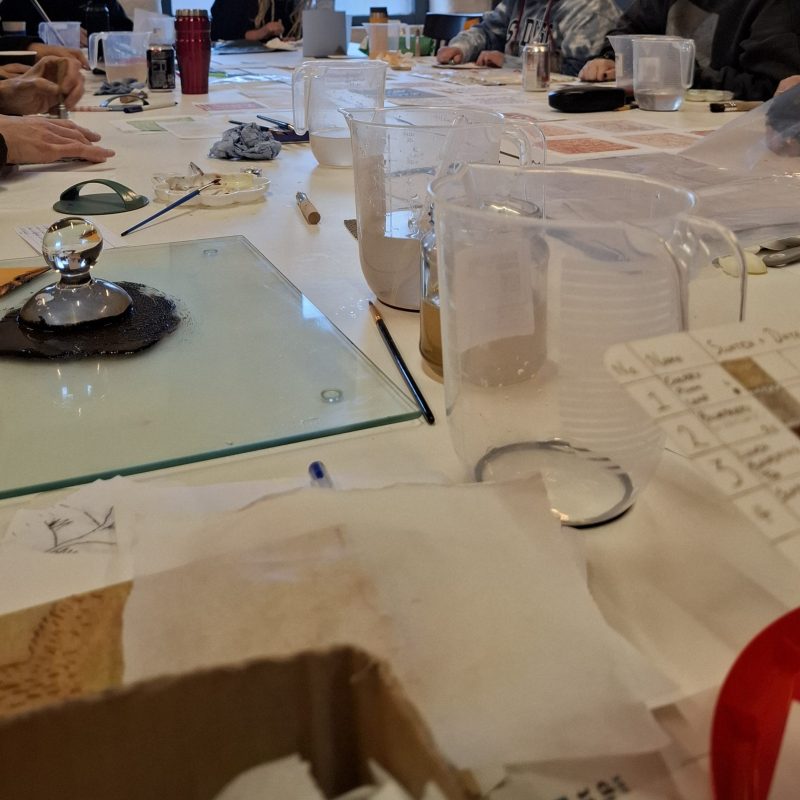
Yet, the very nature of foraged pigments introduces variability—a pigment’s shade can fluctuate with weather, soil composition, and time of year. This mutability, far from being a limitation, is a springboard for creative serendipity. It challenges the artist’s control and nurtures adaptability, inviting unexpected outcomes and the poetic imperfections of nature itself.
Understanding the Chaoticist Palette: Embracing Disorder and Spontaneity
At first glance, chaos seems antithetical to art that is traditionally marked by precision and intentionality. However, in chaoticism, disorder becomes a deliberate strategy—a method to break free from predetermined patterns and embrace the unpredictable. Colors are flung, layered, and juxtaposed without orthodox rules. The palette is not a neat array but an eruption of hue, a riot that mirrors the tumultuous beauty of existence.

The chaoticist artist wields disorder as a tool of expression. A color might clash intentionally or merge unexpectedly, textures collide, and boundaries blur. This philosophy invites a departure from exactness to find eloquence in spontaneity. In essence, the chaoticist palette is less about the final picture and more about the energetic process—a visual symphony of tumult and grace.
When Foraged Pigments Meet Chaos: A Dynamic Dialogue
The union of foraged pigments with a chaoticist approach is exhilaratingly unpredictable. Here, the natural variability of handmade colors complements the ethos of chaos, where control is willingly surrendered. This fusion can yield a palette that is simultaneously grounded in earth’s materials and untethered in expression.
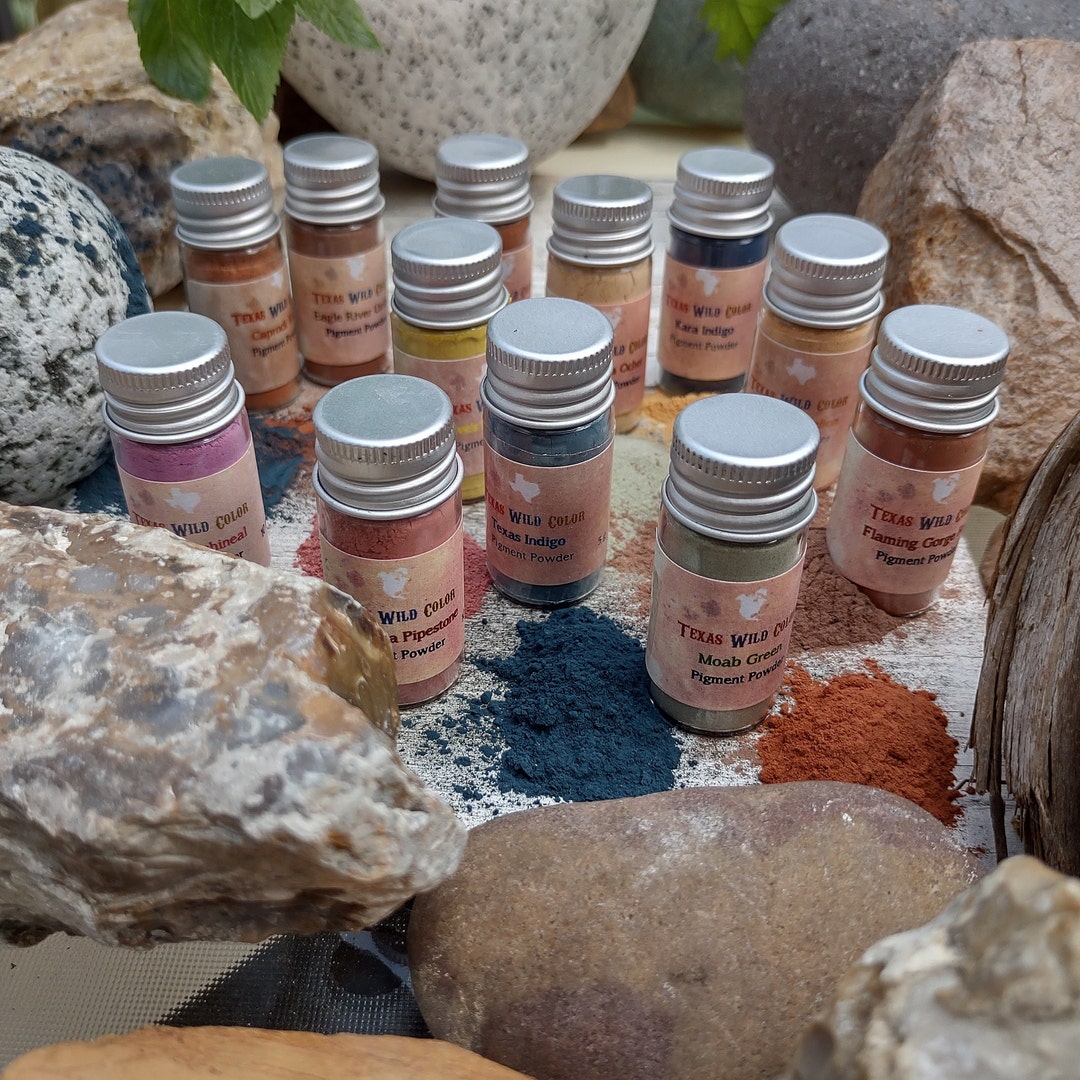
However, the challenge lies in harnessing this wildness without losing intentionality. Artists must walk a tightrope between embracing unpredictability and shaping it into something resonant. Each pigment’s idiosyncratic behavior underbrushes an element of surprise. Some may fade rapidly, others behave erratically under certain binders. The chaoticist must therefore attune themselves not only to the dynamics of color and form but to the alchemy of organic materials themselves.
Techniques for Integrating Foraged Pigments into a Chaoticist Practice
Melding foraged pigments with the exuberance of chaoticism demands both experimentation and respect for materials. Here are some techniques that enhance this synthesis:
- Layering: Overlapping thin glazes of natural pigments can create depth and unexpected tonal shifts, echoing chaotic interactions.
- Variable Media: Combining pigments with unconventional binders like egg yolk, plant gums, or even fermented liquids can amplify texture and unpredictability.
- Intentional Disruption: Employing tools ranging from brushes to found objects to apply pigments haphazardly, creating marks that challenge compositional order.
- Environmental Influence: Allowing climatic elements such as sunlight, humidity, and temperature to interact with the artwork during creation, embracing natural transformations.
The Philosophical Underpinnings: Order Within Chaos, Wildness within Structure
This practice extends beyond aesthetics—it’s a meditation on balance. The chaoticist painter with foraged pigments embodies paradox: the desire to control fizzles against the caprice of nature. The chaos is not merely random; it is a cosmic pulse, an echo of a universe in flux. Each stroke reverberates with a cosmic uncertainty and a primal stability.
The pigments become more than colorants; they are storytellers of place and process, enshrined in a framework of vibrant chaos. The artist becomes both a collector of natural histories and an orchestrator of chaos, embodying a dual role that challenges traditional artistic paradigms.
Practical Challenges and Rewards of Foraged Pigments in Chaotic Art
Artists venturing into this realm face practical hurdles. Foraged pigments can lack permanence, may affect the texture unpredictably, or require specialized preparation. Navigating these challenges means developing an intimate knowledge of each pigment’s quirks and quirks galore.
Yet, the rewards seem transcendent. The resulting artworks possess a unique vitality—the patina of natural origins fused with ecstatic disorder. They invite viewers into a sensory experience rich with texture, tone, and untamed spirit. It’s a visual language that speaks not only of color but of time, place, and elemental forces at play.
Envisioning the Future: Foraged Pigments as Catalysts for Creative Evolution
Looking ahead, the synergy between foraged pigments and chaoticist methods can redefine contemporary artistry. As ecological awareness deepens, reconnecting with natural materials becomes an act of environmental engagement. In embracing chaos through pigments collected from nature’s palette, artists might pioneer a movement that values ecological narratives as much as aesthetic exploration.
What new horizons will this confluence unlock? Might the chaoticist palette of the future become a manifesto for embracing impermanence, celebrating the unpredictable cycles of nature, and crafting art that breathes with elemental life?
Ultimately, the marriage of foraged pigments with chaoticist ideology challenges conventions—invoking a playful question without a neat answer. It invites artists and viewers alike to revel in the tension between order and entropy, asking us to consider: can the unpredictable hues of the wild find harmony in chaos, or does their restless nature forever defy confinement? Perhaps that very uncertainty is the heart of their allure, a perpetual invitation to discover anew.


Leave a Comment