

In a world saturated with the flora of everyday life, imagine a garden where petals do not merely bloom but breathe, laugh, and reveal stories through their visages. Floral Pop Surrealism invites us into this beguiling realm—an imaginative fusion where flowers morph into expressive entities, their faces and feelings transcending traditional botanical beauty. It’s a shift not only in perception but in the very essence of how we engage with nature through art, stirring a curious blend of enchantment and introspection.
The Emergence of Floral Pop Surrealism
Emerging at the intersection of vibrant pop culture and the mystical world of surrealism, Floral Pop Surrealism revitalizes floral motifs by imbuing them with human characteristics. This artistic movement disrupts the conventional paradigm where flowers are passive decorations. Instead, these blossoms become protagonists, conveying emotions and narratives that challenge our visual expectations and emotional responses.
This genre capitalizes on the uncanny rapport between nature and human psychology, captivating viewers by juxtaposing familiar organic forms with unexpected facial features. The effect is magnetic yet unsettling—a delicate tension that sparks curiosity and contemplative wonder.
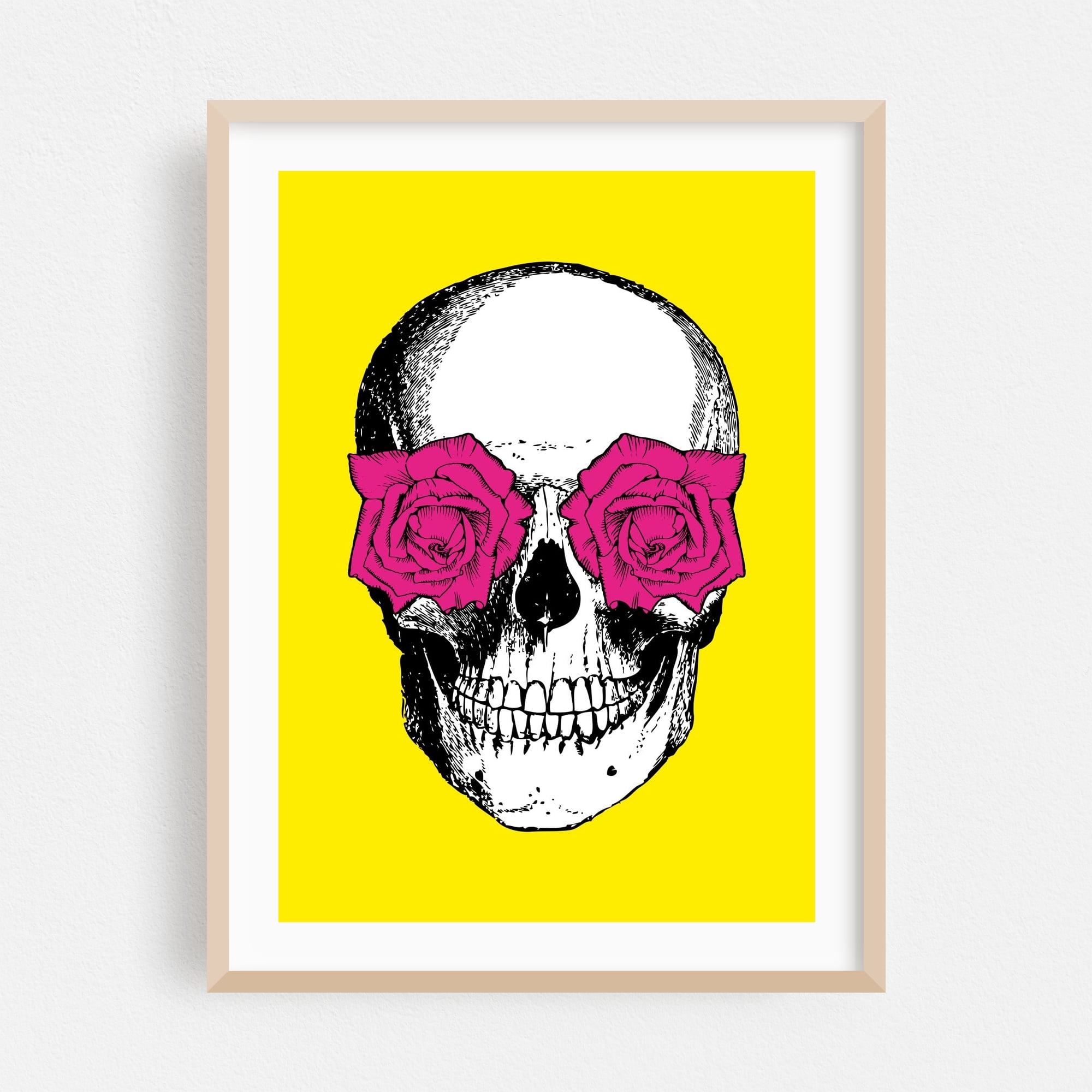
Faces Among Petals: The Emotional Architecture
At the core of this surreal movement lies its audacious anthropomorphism. Flowers with faces are not mere whimsical inventions; they are emotive vessels. The petals might curl into smiles, or eyes might glisten with unspoken stories, evoking feelings ranging from whimsical joy to eerie melancholy.
This emotional architecture compels viewers to engage deeper. It provokes empathy—not with human figures, but with nature itself. The flowers’ expressions prompt us to reflect on human emotions mirrored in the fragile, ephemeral beauty of bloom. This subtle re-imagination fosters a profound appreciation of both flora and feeling, blurring distinctions between animate and inanimate.

The Surreal Language of Symbolism
Floral Pop Surrealism speaks in a language dense with symbolism and layered meanings. Every petal with a visage can be decoded as a psychological cipher, expressing themes of growth, decay, renewal, or concealed desires. The fusion of flora and face becomes a living metaphor—whispering about mortality, transformation, and existential musings.
This symbolic lexicon challenges viewers to navigate a labyrinth of meaning. Flowers traditionally symbolize nature’s renewal and beauty, but when overlaid with human features, their narratives multiply. They can embody personal identity, social masks, or even collect cultural taboos. This synesthetic stimulus fascinates by presenting familiar forms that demand unfamiliar interpretations.
Whimsy Meets the Uncanny: The Aesthetic Duality
The hallmark of this style is its dance between charming whimsy and the uncanny valley of visual experience. Bright, pop-art hues adorned on flowers conjure a playful atmosphere. Yet, juxtaposed with realistic or surrealistic facial components, they tiptoe into the eerie, invoking an emotional duality that is both delightful and disquieting.
This duality seduces the onlooker, harnessing the human attraction to paradox. The immediate visual joy of color and form is interlaced with a primal unease—after all, nature doesn’t normally wear faces. This pushes the audience to reconsider the boundaries of reality, teasing the subconscious and the senses simultaneously.

The Evolution of Perspective: Seeing Flowers Differently
Floral Pop Surrealism promises a radical shift in how we perceive the natural world. It invites us to see flora not just as silent witnesses but as sentient presences—beings capable of conveying emotion and narrative. This perspective re-calibrates our relationship with the environment, fostering a deeper emotional and conceptual connection.
By envisioning flowers with faces and feelings, the movement urges a reconsideration of life’s interconnectedness. It is an artistic manifesto shouting about the need for empathy beyond human confines—extending compassion and curiosity to all living forms, symbolized through animated petals.
Impact on Contemporary Art and Culture
This genre’s influence ripples across contemporary artistic practices, inspiring diverse mediums from digital illustrations to installations. Its visual potency lends itself readily to popular culture, advertising, fashion, and collectibles, making its surreal visions accessible to an expansive audience.
The popularity of floral portraits with emotional resonance taps into broader societal desires for connection amidst isolation and technological mediation. In a world where genuine human interaction can feel distant, these hybrid blossoms offer an evocative reminder of life’s intricate fragility and beauty.
Conclusion: An Invitation to Rediscover the Familiar
Floral Pop Surrealism beckons us to a garden unlike any we have wandered before—a place where every flower might wink, whisper, or weep. It promises more than art; it offers a new mode of seeing. Through intertwining human emotion with botanical beauty, it teases curiosity, urging us to look beyond the surface and rediscover the familiar with fresh wonder.
This movement underscores the power of imagination to expand our realities. It challenges us to embrace complexity and contradiction, reminding us that beauty often resides in the unexpected interplay of faces and petals, dreams and blooms, feelings and flora. Step into this surreal garden, and the flowers will speak to you in ways you never thought possible.


Leave a Comment